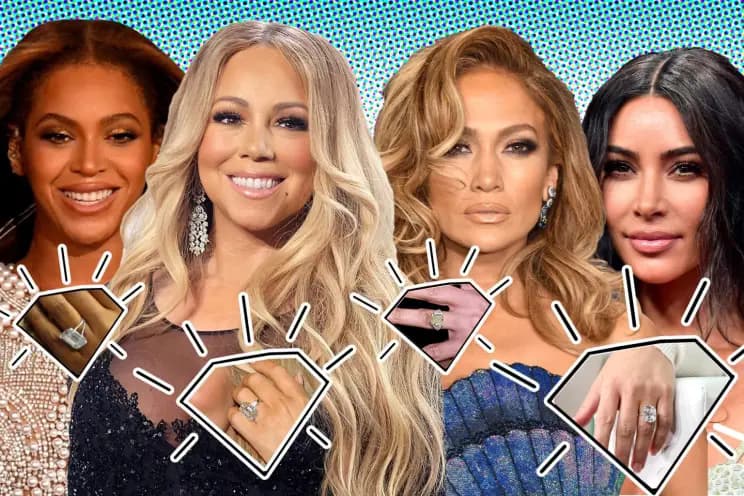
Three-stone engagement rings blend symbolism, sparkle, and flexibility
Three-stone rings deliver more light, more symbolism, and more styling range than a solitaire. The smartest versions balance proportion, cut quality, and side-stone shape.
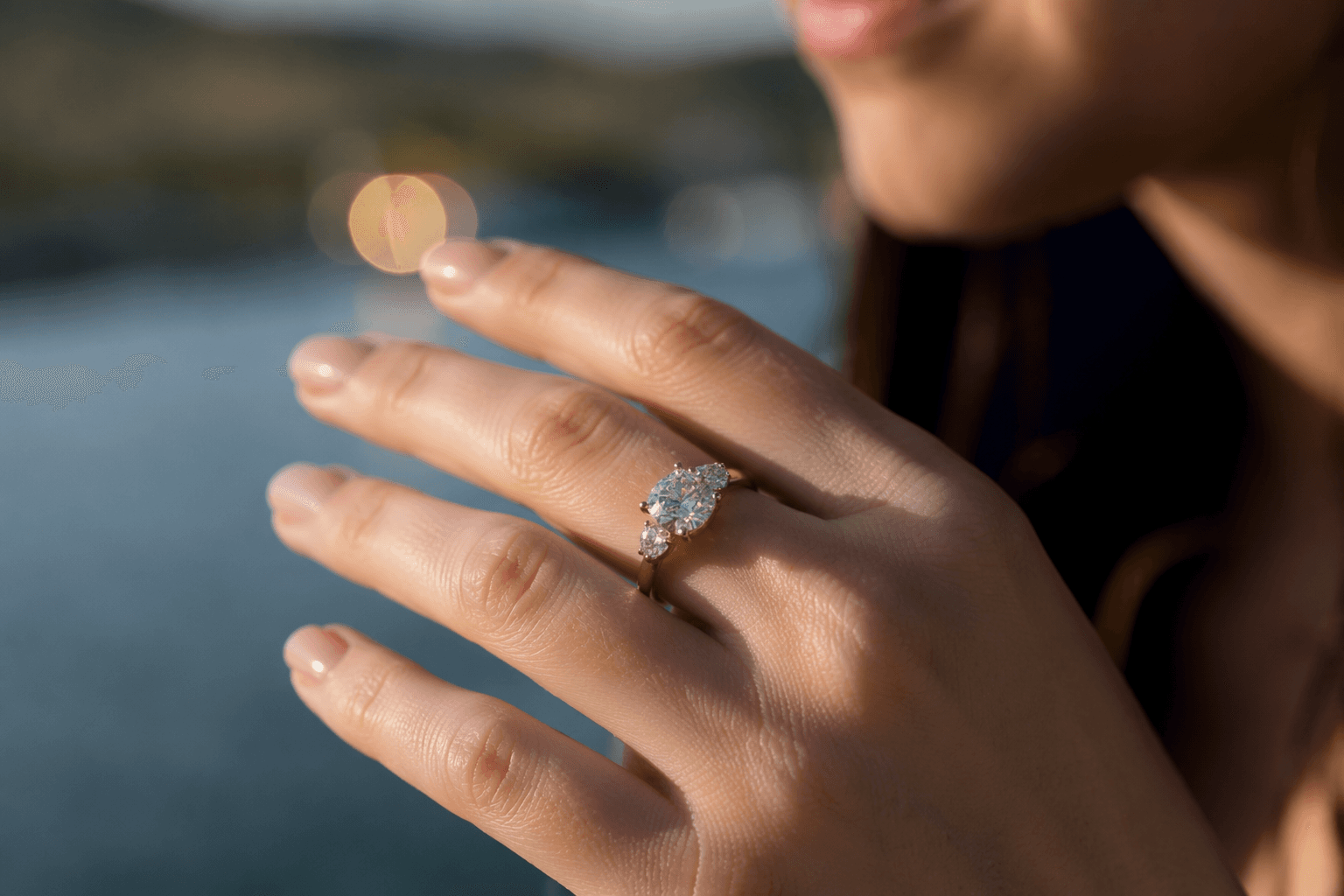
One center stone with two side stones gives a three-stone engagement ring three points of light instead of one, changing the mood, the silhouette, and the way the ring reads from across a room. The arrangement is usually tied to past, present, and future, but it also moves easily between romantic, architectural, and modern expressions.
A form with history, not just sentiment
The three-stone layout reaches back at least to the 17th century, which means the idea predates modern bridal marketing by centuries. Its symbolism has been interpreted in several ways over time, from friendship, love, and fidelity to parent-and-child meaning, but the past-present-future reading is the one most buyers recognize now. De Beers’ 2001 three-stone campaign gave that idea a sharper public identity, and it helped turn an old format into a widely understood engagement-ring message.
A three-stone ring can look Art Deco-inspired, especially when the stones are sharply cut and closely set, yet it can also feel contemporary when the proportions are cleaner and the side stones are deliberately unexpected. Tiffany traces its engagement-ring lineage to 1886.
Why the setting delivers more visual impact than a solitaire
When the stones are matched in quality and placed with care, a three-stone ring can create more sparkle and more spread across the finger than a solitaire. Cut quality drives a diamond’s fire, sparkle, and brilliance, so the strongest three-stone rings are built on stones that work together rather than merely sitting side by side.
A classic layout places one center stone flanked by two side stones that are the same size or smaller, which makes proportion the first design decision. If the center overwhelms the side stones, the composition loses balance; if the side stones are too assertive, the eye stops reading the ring as a unified whole. The most compelling versions feel measured, with enough contrast to create rhythm and enough symmetry to keep the ring graceful.
What to look for when you want the ring to feel current
The easiest way to modernize the style is through side-stone shape and metal choice. In Tiffany’s current three-stone examples, sapphire side stones create contrast, pear-shaped side stones soften the profile, baguette side stones sharpen it, and a platinum setting keeps the whole composition crisp. An all-diamond version with two round brilliant side stones framing a round brilliant center stone in a shared setting shows the opposite approach, where restraint and symmetry do the work.
A colored center gem immediately changes the ring’s register from standard bridal to something more specific and more individual.
- Round center with round side stones: the most balanced, straightforward reading.
- Pear side stones: a softer outline with a little more movement.
- Baguette side stones: a more geometric, refined look.
- Sapphire side stones or a colored center gem: stronger contrast and a less predictable finish.
- Platinum: a cool, durable frame that keeps the stones visually distinct.
How to shop it with an investment mindset
For a ring that feels smart over time, start with the stone data, not the mood board. A GIA Diamond Grading Report lists color, clarity, cut, and carat weight, and for standard round brilliant diamonds in the D-to-Z range it also includes a cut grade. GIA gives cut grades only to round brilliant diamonds because they are the only shape with standardized facets, which is why round brilliants remain the easiest stones to compare with confidence.
In a three-stone ring, the eye sees the relationship between the stones before it isolates any single gem. If you are comparing rings, look for stones that hold the same level of polish, symmetry, and proportion, not just similar carat weights. The cleanest investment-minded buy is usually the ring that looks intentional from every angle, with side stones that support the center instead of competing with it.
The resale conversation, too, tends to favor clarity over novelty. A three-stone ring with strong proportions and recognizable stones is easier to understand, photograph, and evaluate than a more eccentric design, and that legibility can help it keep its appeal beyond the moment of purchase.
This article was produced by Prism’s automated news system from verified source data, official records, and press releases, then run through automated quality and moderation checks before publishing. The system is built and supervised by the people who set the standards it runs under. Read our full AI policy.
Did this article answer your question?