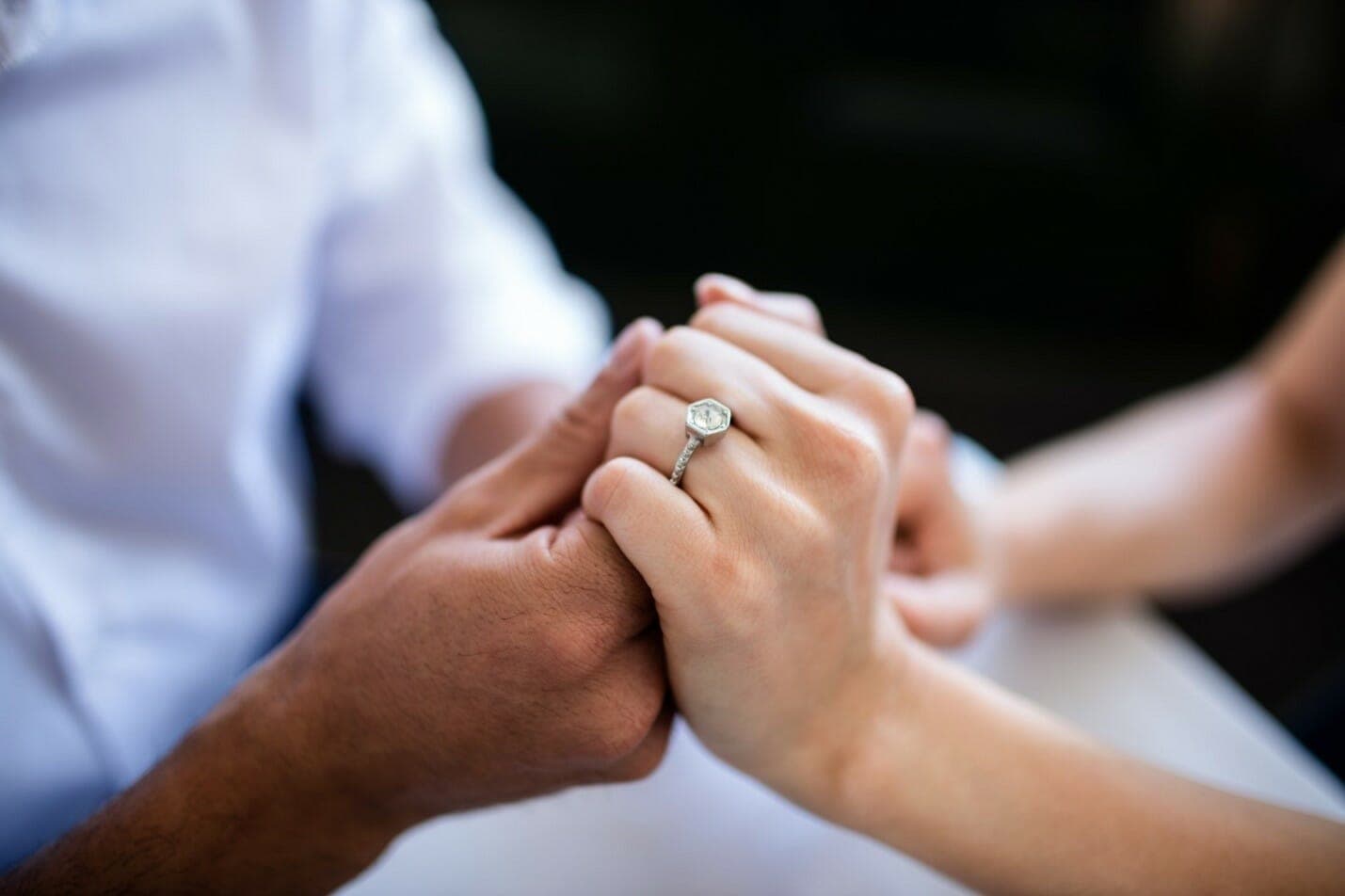
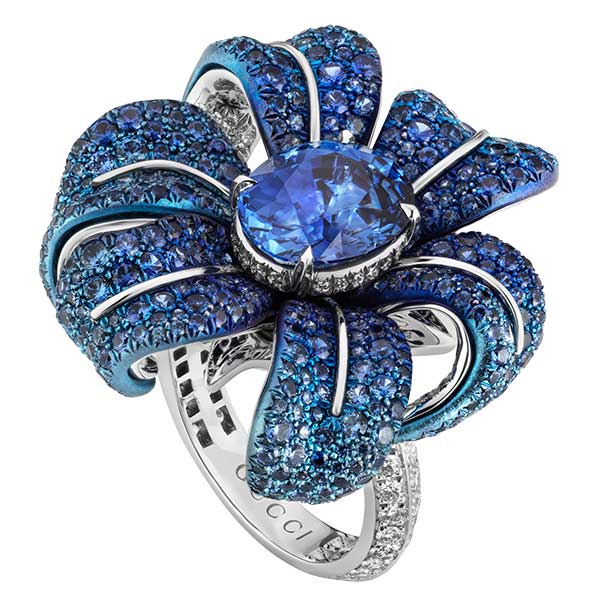
Why Budget Engagement Rings Still Feel Special, and Cost Less
A $4,600 average ring can still look bespoke if you spend on the stone, simplify the setting, and use lab-grown pricing to your advantage.
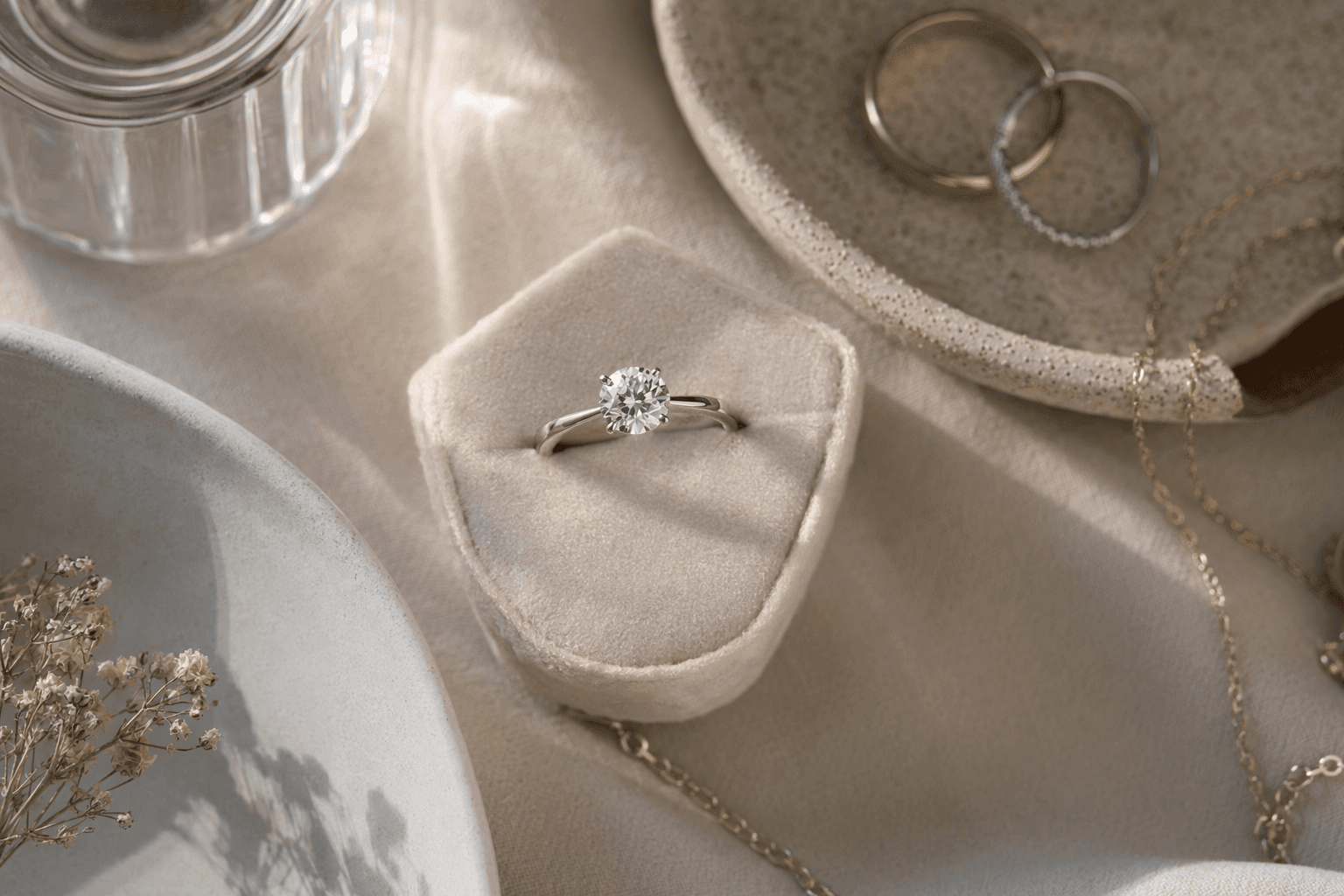
How budget rings still feel personal
A ring does not need a bloated price tag to feel deliberate. The Knot says the average U.S. engagement-ring spend fell to $4,600 in 2025 from $6,000 in 2021, and its more than 7,800-couple study says the old three-month salary rule is largely outdated. That shift has changed the real question for shoppers: not how much to spend, but where the money will show most clearly on the hand.
The best budget rings still feel special because they look edited, not cheap. A clean center stone, a proportionate setting, and a metal choice that holds up over time can create a ring that reads custom even when the budget stays well below the old expectations.
Why the budget ceiling is lower now
The biggest reason affordable rings can look fuller and more polished is the rise of lab-grown diamonds. The Gemological Institute of America says industry analysts projected lab-grown stones could account for 20% of all diamonds on the market by 2025, and National Jeweler reported that 45% of engagement rings sold in 2024 were set with lab-grown diamonds. Another National Jeweler data point put lab-grown stones at 47% of units sold in 2024, which shows how quickly the category has moved from niche to normal.
The price gap has also widened. De Beers Group’s Lightbox said in 2024 that a two-carat lab-grown diamond was retailing at around 10% of the price of an equivalent natural diamond. That does not just make a ring cheaper. It changes the whole design equation, because more of the budget can go toward proportions, craftsmanship, and a setting that feels finished instead of oversized for the money.
What makes a budget ring look custom
If the goal is a ring that feels premium without pushing past a realistic cap, start with the center stone and work outward. A larger stone can be the visual anchor, but the setting decides whether it looks refined or merely big. Slim bands, low-profile mounts, and clean prong work tend to make even modest stones feel intentional, while heavy halos and crowded pavé can eat budget fast without improving the overall silhouette.
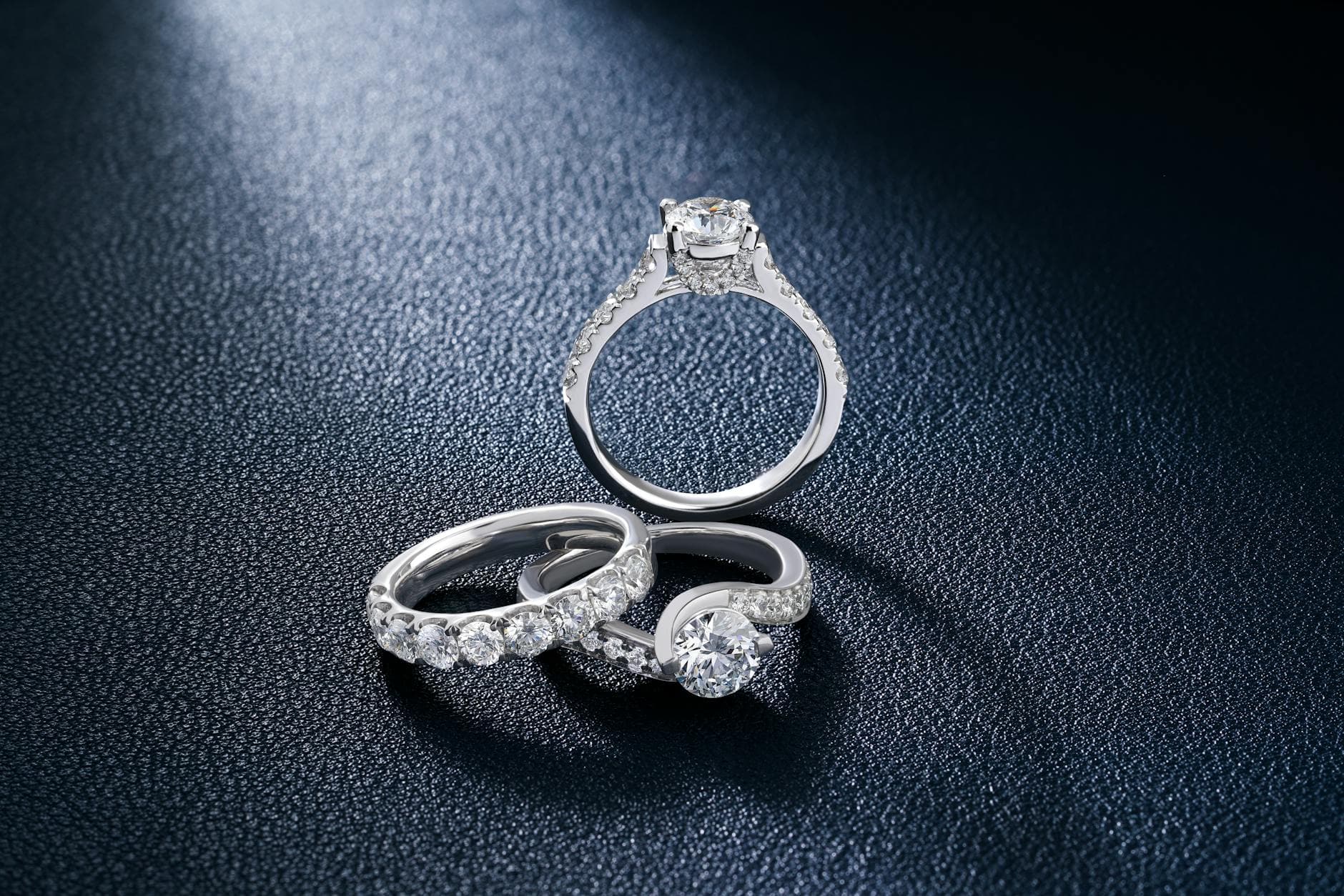
Stone size
Stone size matters, but only up to the point where the shape and cut still look balanced. Lab-grown diamonds give shoppers more room to prioritize face-up presence, which is why they have become such a force in the category. If the budget is fixed, it is often smarter to choose a slightly smaller natural stone with strong proportions or a larger lab-grown stone with a simpler setting than to chase carat weight alone.
Setting style
A solitaire can look far more custom than a busier design if the profile is well executed. Six-prong settings feel classic and secure, while four-prong settings can make the center stone appear a touch larger and more open. Bezel and semi-bezel styles shift the mood toward modern and architectural, and they can be especially useful when you want the ring to feel considered rather than conventional.
Materials
This is where budget shoppers can quietly protect value. Solid gold or platinum will usually age better than thin plating, and a well-made band can keep a modest ring feeling substantial over time. If a retailer leans hard on sustainability language, ask what that actually means in practice: recycled metal, traceable sourcing, grading paperwork, and clear disclosure about whether the stone is natural or lab-grown all matter more than vague green gloss.
Where the retailers fit
Forbes Vetted’s April 28 guide spotlights 13 affordable engagement-ring retailers and current promotions at Rare Carat, Blue Nile, Quince, Brilliant Earth, James Allen, With Clarity, Friendly Diamonds, and Kay Jewelers. That matters because discounts can move a ring from merely acceptable to genuinely polished, especially when the base price is already restrained.
Best for comparison shoppers
Blue Nile, James Allen, Rare Carat, and Ritani make the most sense if you want to compare stones and settings before you commit. Their value is choice: more ways to balance carat, cut, and mounting style without paying for extra embellishment you may not want.
Best for pared-back minimalism
Quince is the clearest fit if your taste runs toward simple lines and an uncluttered look. That stripped-down aesthetic can be the smartest budget move, because it lets the stone and proportions do the talking instead of stacking on decorative details that push up the price.
Best for lab-grown value
With Clarity and Friendly Diamonds are strongest when the priority is getting a larger-looking stone within a defined cap. Lab-grown diamonds are where budget shoppers can stretch most dramatically, and these retailers sit squarely in that value conversation.
Best for ethical storytelling, with a careful eye
Brilliant Earth still draws shoppers who care about sourcing and sustainability, but that is exactly where scrutiny matters most. Ask for specifics, not just a feel-good label: what metal is used, whether it is recycled, how the diamond is graded, and what documentation exists for the stone’s origin.
Best for convenience
Kay Jewelers remains relevant for shoppers who want in-person reassurance, quick comparisons, and a familiar retail experience. In a market where promotions are doing a lot of the heavy lifting, that convenience can be worth something, especially when a sale narrows the gap with online competitors.
How much ring can you get for the money
A useful budget frame is simple. Under $2,000 usually means you should expect restraint in either stone size or setting complexity. Between $2,000 and $4,000, the choices start opening up, especially if you are comfortable with lab-grown stones or a cleaner solitaire. Around the $4,600 average, which is where The Knot places U.S. engagement-ring spending in 2025, shoppers can usually prioritize both a stronger center stone and a more polished setting without drifting into conspicuous overkill.
The smartest move is to spend where the eye lands first. A well-cut stone, a proportionate setting, and honest materials can make a budget ring feel far more luxurious than its price suggests. In 2026, the most convincing engagement ring is not the one that spends the most, but the one that uses the budget with the most clarity.
This article was produced by Prism’s automated news system from verified source data, official records, and press releases, then run through automated quality and moderation checks before publishing. The system is built and supervised by the people who set the standards it runs under. Read our full AI policy.
Did this article answer your question?