Why heirloom diamonds are being reset into custom engagement rings
Heirloom diamonds can become deeply personal engagement rings, but the best reset depends on the stone, the setting, and how much family history you want to preserve.
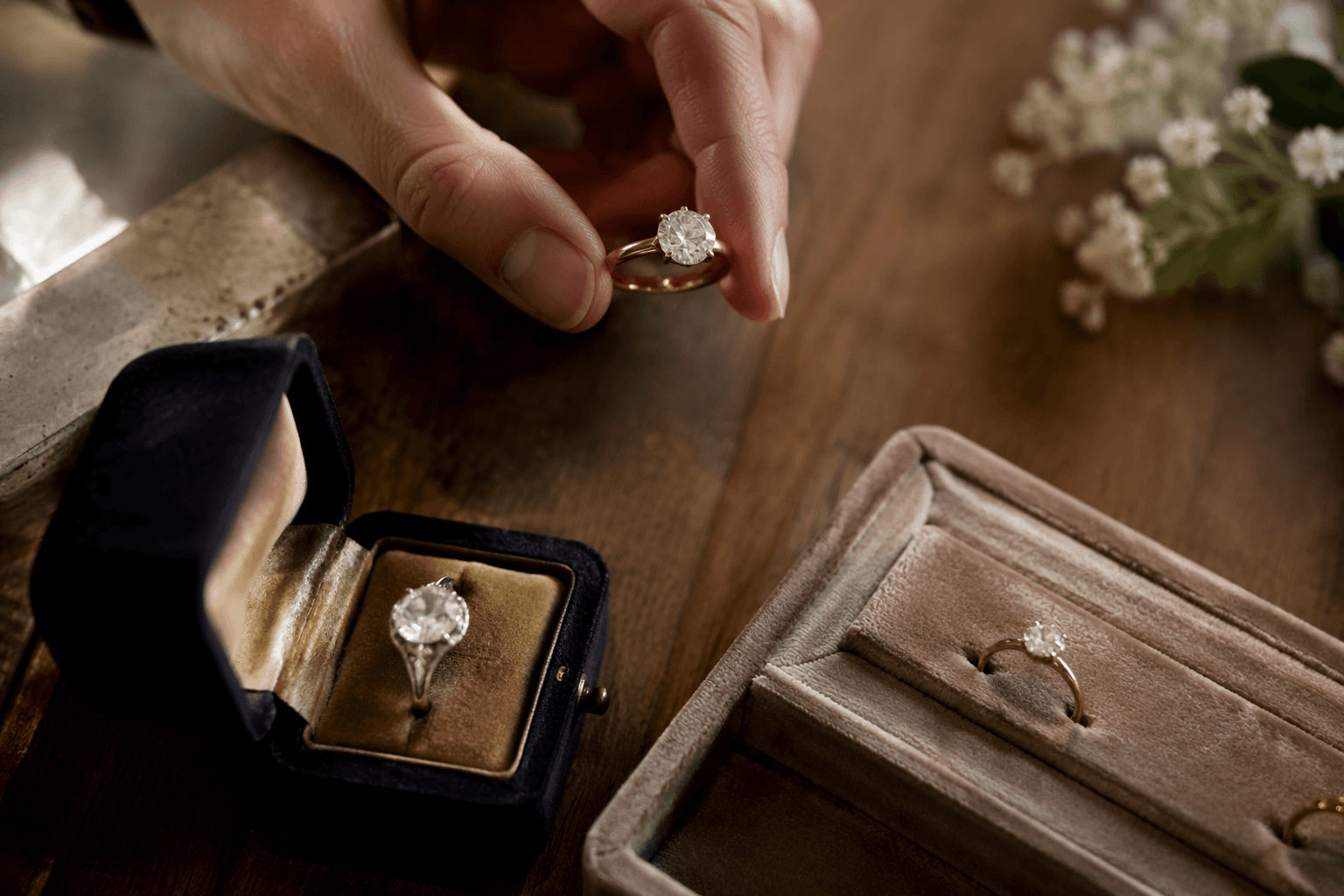
An inherited diamond can move from a dated mounting into a ring built for modern life without losing its meaning. For many couples, the choice is whether that stone should remain a family keepsake or be reset into a ring that fits modern life, daily wear, and a new chapter. The smartest resets preserve provenance while fixing the practical problem that so many heirlooms are tarnished, awkward to wear, or simply not the style of the person who will wear them every day.
When a reset makes sense
The strongest case for a reset starts with a simple mismatch: the stone has emotional weight, but the ring no longer works. The Knot’s heirloom guidance centers that tension: some inherited rings are dated or tarnished, yet still carry enough meaning that people want to keep the diamond and change everything around it. That is where custom work becomes useful, especially now that CAD and modern casting have made the design possibilities almost endless.
The range is broader than many families expect. A reset can be as restrained as changing the metal color, or as dramatic as turning an old center stone into a toi et moi ring, a three-stone design, or a complete style transformation. The reset gives the original diamond a setting that feels intentional, wearable, and current enough to be worn every day instead of living in a drawer after the proposal.
Heirlooms also carry a different kind of value from vintage jewelry. In The Knot’s distinction, an heirloom is tied to a family story, not just age. The conversation should cover where the ring came from, who wore it, and what details matter enough to keep.
Questions worth asking before you reset
A good jeweler should be able to translate sentiment into design without flattening the original piece. Before you commit, ask very specific questions about the stone, the setting, and the final use of the ring.
- Is the diamond sound enough to be reset safely, or does it have chips, wear, or other issues that need attention first?
- Which parts of the original piece can be preserved, such as the center stone, side stones, or even small decorative elements from the old mounting?
- What setting style will suit the stone’s shape and the wearer’s lifestyle, a low-profile solitaire, a three-stone ring, a toi et moi design, or something more architectural?
- How will the new design affect the ring’s daily comfort, height, and durability?
- What will be reused, what will be remade, and what does that do to the total cost?
- How will the jeweler document the finished ring so the family history does not get lost in the redesign?
What the reset process looks like
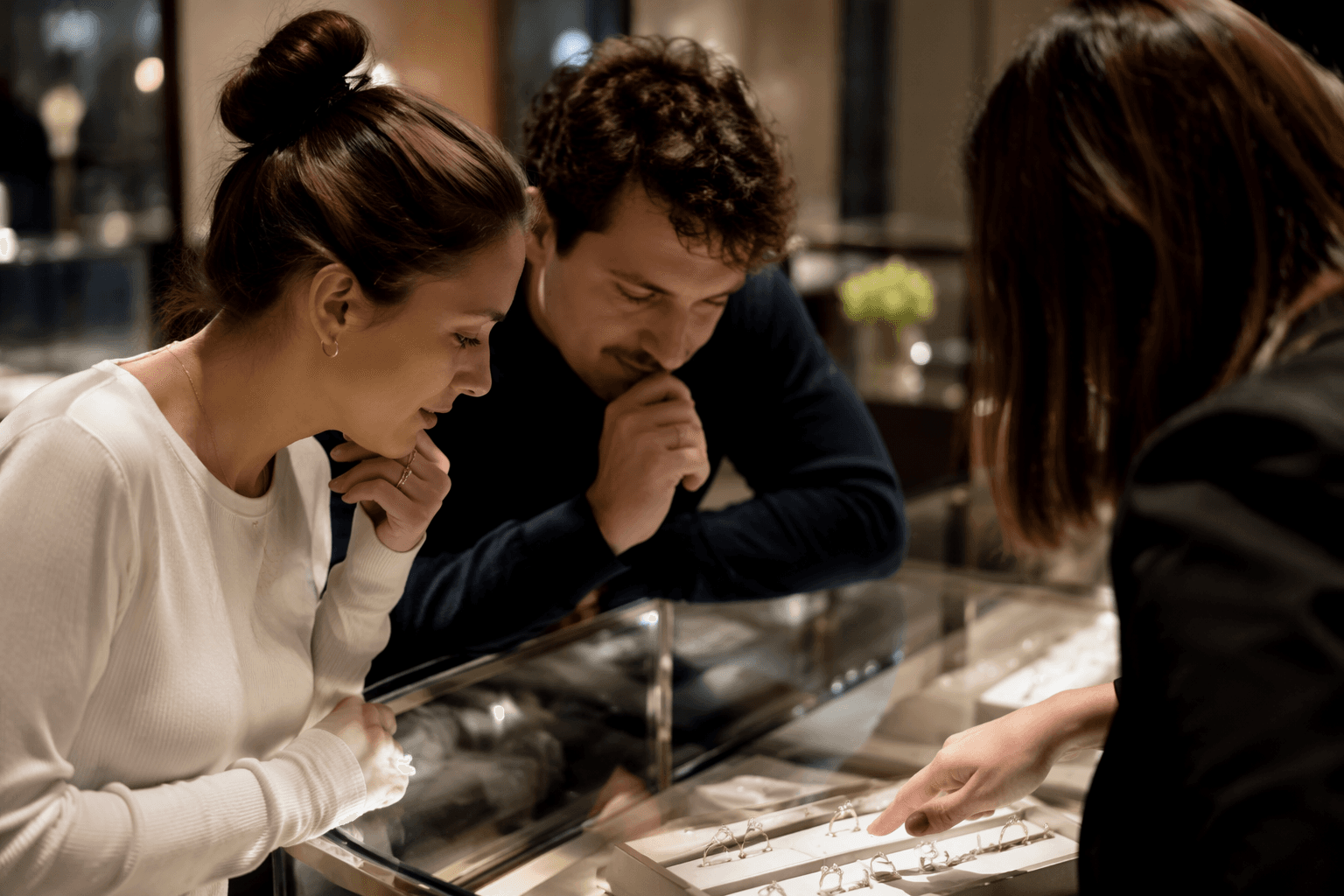
Clients bring in out-of-date, estate, or broken jewelry for a free consultation at Jared Foundry, where the design team creates a CAD rendering, reviews a wax mold, and then casts the final piece. The family can see proportion, height, and layout before metal is poured.
One young couple used one heirloom diamond from each grandmother, then added a new center stone to build a three-stone ring that linked two families at once.
At San Diego-based Marrow Fine, Jillian Sassone first redesigned a ring inherited from her grandmother, then began attracting clients who wanted the same kind of heirloom work. The demand expanded through social media and referrals.
The money side is part of the story
Resetting an heirloom can also be a sensible financial choice. The Natural Diamond Council’s 2025 trends report analyzed more than four million jewelry transactions across 2,500 specialty U.S. jewelers. In that data, diamond engagement rings accounted for 38% of total natural diamond jewelry sales in 2025, and the average engagement ring price climbed nearly 10% from 2024 to 2025, reaching $7,364.
That does not mean a reset is automatically cheaper than buying new. A custom design can still require design fees, labor, and the cost of new metal or accent stones. Natural Diamonds says inherited stones can be reused and reimagined without losing value.
Do not skip the paperwork
The practical finish line is an updated appraisal. An engagement ring appraisal is the document insurers use if a ring is lost, stolen, or damaged, and The Knot’s guidance calls for the stone’s exact specifications, the setting, and the retail replacement value. Once a stone is reset, the old paperwork may no longer match the ring on the finger, which is why the new piece should be reappraised and reinsured after the redesign is complete.
That step is especially important when a reset changes more than the metal. A new mounting, altered proportions, or added side stones can all affect replacement value and insurance records.
This article was produced by Prism’s automated news system from verified source data, official records, and press releases, then run through automated quality and moderation checks before publishing. The system is built and supervised by the people who set the standards it runs under. Read our full AI policy.
Did this article answer your question?