Why solitaire engagement rings remain the classic choice, plus shopping tips
A solitaire puts every ounce of attention on the center stone, so cut, prongs, and profile matter more than ever.
Why the solitaire still defines the engagement ring
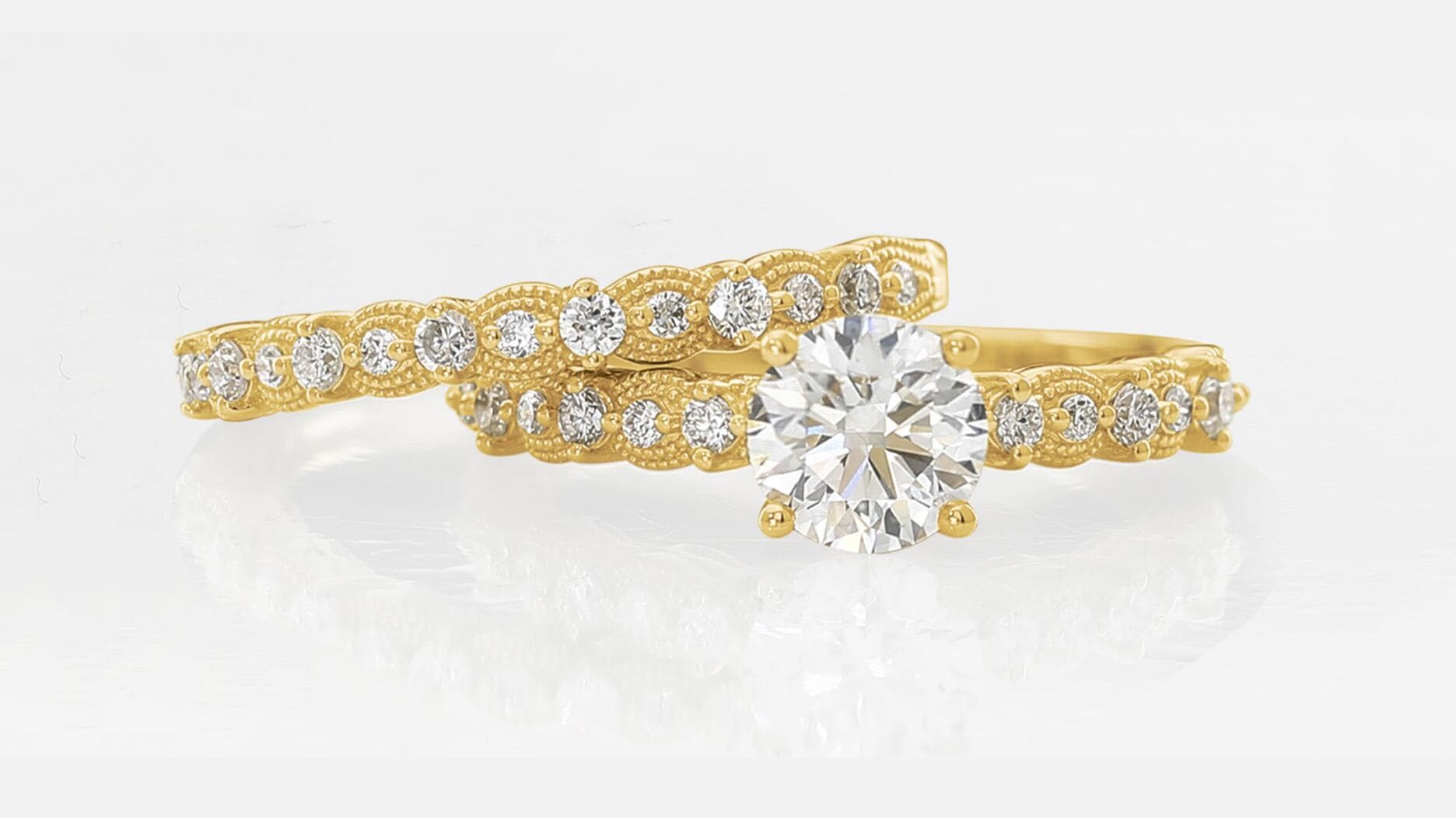
A solitaire is disarmingly simple, and that is exactly why it lasts. With one center stone and a clean, minimally embellished band, the design gives the diamond or gemstone the whole stage, which means every choice, from cut to prong count to band width, changes the ring’s personality.
That visual discipline is part of the appeal. GIA says many buyers choose a solitaire for its classic elegance and for the way it showcases the stone, and in a survey of more than 7,000 engaged women, 25 percent said they had received solitaires. The style is familiar enough to feel ceremonial, but spare enough to feel modern when it is tailored well.
A design that helped define the category
The modern solitaire is inseparable from Tiffany & Co.’s 1886 Tiffany Setting, introduced by Charles Lewis Tiffany. Tiffany says the six-prong design was the first ring design in history to lift the diamond off the band, a small engineering shift that changed how light moves through the stone and how the ring reads on the hand.
GIA also credits the classic Tiffany mounting with helping make the solitaire fashionable. The style’s lineage runs through a much longer history of betrothal rings, beginning with Roman plain iron hoops and later gold betrothal rings, gimmel rings, and the first historical diamond engagement ring. The solitaire feels inevitable now, but it was built on centuries of evolving symbolism before it became the clean-lined standard so many buyers still reach for.
Why the stone does all the talking
A solitaire is not generic just because it is minimal. In fact, minimal design makes the center stone more important, not less. Cut becomes the first visual decision, because a round brilliant will flash differently from an oval, emerald, cushion, or pear shape, and the ring’s proportions will either sharpen or soften that effect.
That is why the setting height matters. A higher profile can make the stone feel more pronounced and open it to light, which suits a buyer who wants drama and presence. A lower profile sits closer to the finger and reads more restrained, which is often better for someone who wants a ring that feels sleek, practical, and less likely to catch.
Band width changes the story too. A slender band makes the center stone look larger and the whole ring more delicate, while a wider band adds architectural weight and a more contemporary mood. In a solitaire, those choices are not background details. They are the frame around the artwork.
Prong count is a style decision, but also a safety decision
Within the solitaire family, GIA points to two common approaches: four-prong and six-prong settings. A four-prong setting shows more of the diamond, so the stone can appear more open and visible, while a six-prong setting is often considered more secure.
That difference matters in daily wear. Jewelers of America warns that prongs can catch on gloves and that wear and tear can loosen settings over time, which creates a real risk of losing a stone. More than half of Jewelers Mutual claims are partial losses, a reminder that the most elegant ring in the jewelry box still needs regular attention.
How to shop a solitaire intelligently
A good solitaire should look simple and still feel precise. That means shopping for the ring as a piece of engineering as much as a piece of romance.
- Buy from reputable member jewelers, where integrity, quality, and service are part of the transaction rather than an afterthought.
- Ask how the center stone is secured, and look closely at the prongs, basket, and gallery.
- Try the ring at different heights to see whether you want the stone to float above the finger or sit closer to the hand.
- Consider band width in proportion to the center stone, because a thin shank and a substantial stone can create one effect, while a broader band can completely change the balance.
- Arrange professional cleaning at least once a year, both to keep the stone bright and to catch loosening before it becomes a loss.
That last point is especially important with solitaires, because their elegance depends on clean lines. If the setting is dirty, bent, or worn, the whole concept starts to blur.
Matching the solitaire to personal style
The best solitaire is not the most conservative one. It is the one that feels like a true extension of the wearer. For a minimalist, a narrow band, a low profile, and a clean four-prong setting can keep the ring spare and architectural. For someone with classic taste, the Tiffany-inspired six-prong look delivers history, symmetry, and a little more perceived security.
Modern shoppers have even more room to play. De Beers sells solitaire-style rings across multiple shapes and price points, including round, oval, emerald, cushion, and pear cuts, which proves how much personality can live inside a restrained setting. An oval can look elongated and elegant, an emerald cut feels crisp and editorial, and a pear shape adds a slight asymmetry that still reads refined. The setting stays quiet, but the silhouette does the talking.
Why the solitaire still wins against trend churn
The Knot’s 2024 Jewelry and Engagement Study found that some newer ring designs are gaining ground against classic styles. That makes the solitaire more, not less, relevant. When the market gets noisier, a setting that strips the ring down to its essential decisions offers a clearer path for buyers who want longevity, wearability, and meaning without excess ornament.
The solitaire also answers a practical question that many shoppers eventually ask: what do you want the ring to say first, the setting or the stone? With a solitaire, the answer is almost always the stone. That is the enduring magic of the style, and the reason it remains the sharpest, most elegant way to let a center stone carry the whole story.
This article was produced by Prism’s automated news system from verified source data, official records, and press releases, then run through automated quality and moderation checks before publishing. The system is built and supervised by the people who set the standards it runs under. Read our full AI policy.
Did this article answer your question?