Younger shoppers drive demand for colored engagement rings
Adobe Firefly prompts for sapphires, emeralds and pearls climbed as diamond prompts fell, echoing a 52% lab-grown share in 2024.

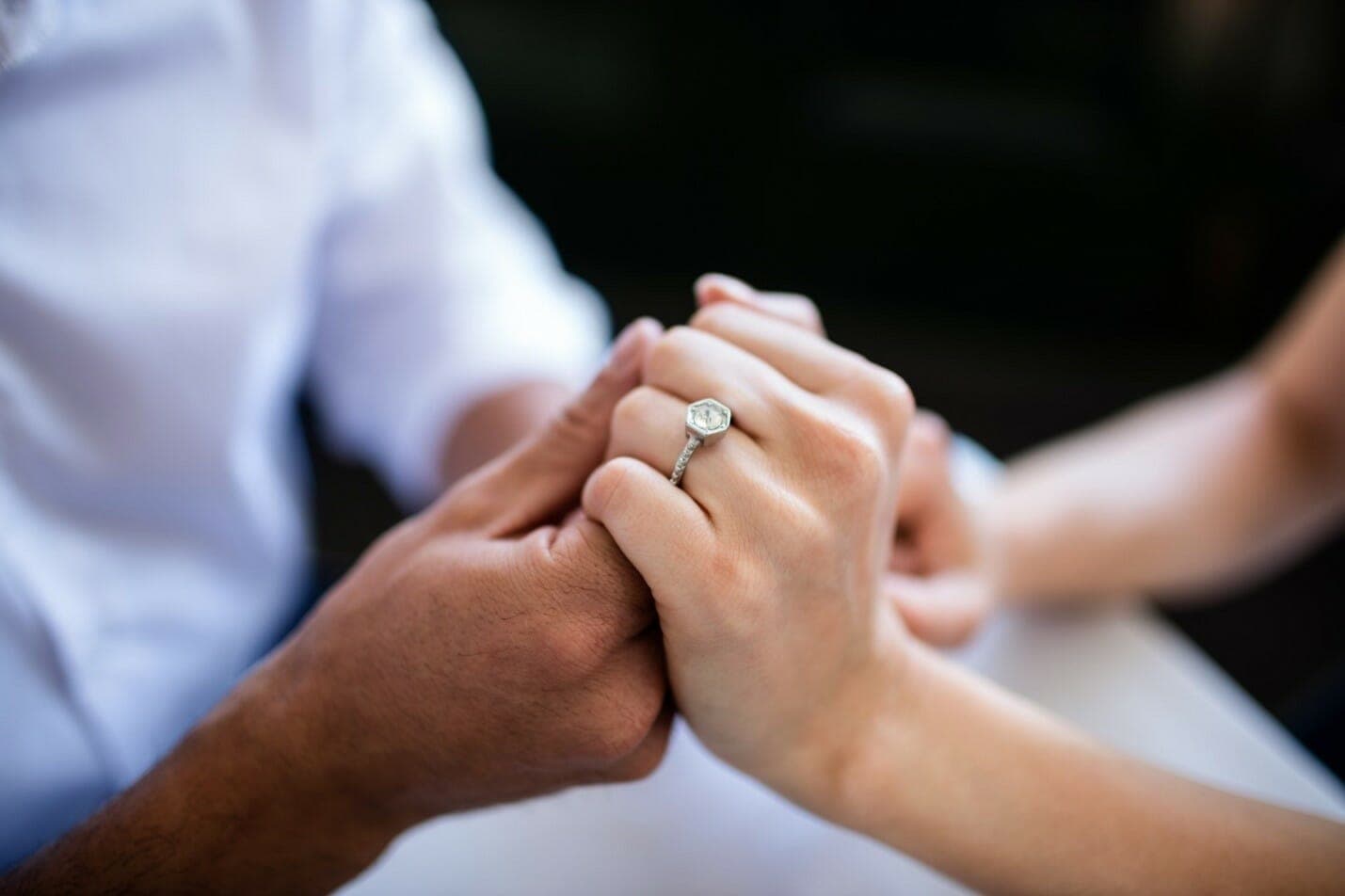
Prompts for pearl, sapphire, aquamarine, emerald and ruby engagement rings are rising inside Adobe Firefly’s design tool, while diamond-related prompts are slipping, a sharp sign that younger shoppers are moving the category away from the default white-diamond solitaire. The shift is not just about novelty. It is about color, identity and a ring that reads as personal before it reads as conventional.
The online appetite is starting to match buying behavior. The Knot’s 2025 Real Weddings Study found that 52% of couples surveyed said their engagement ring featured a lab-grown diamond in 2024, up from 46% in 2023 and just 12% in 2019. CNBC put the average price of an unbranded, round, 1-carat lab-grown diamond at about $845 in the first quarter of 2025, compared with about $3,895 for a similar natural diamond. That price gap has widened the field for experimentation, making room for colored center stones as well as stones that once sat outside the bridal mainstream.
Trade signals point the same way. Rapaport quoted a jewelry trade source saying gemstone transactions were slightly greater than diamond transactions at the moment, and National Jeweler has noted that non-diamond colored gemstones are gaining popularity as engagement-ring choices in pop culture. Signet Jewelers has already seen pickup in sapphire, morganite, London Blue Topaz, aquamarine and green quartz, a list that shows how far the market has moved beyond one stone and one shape.
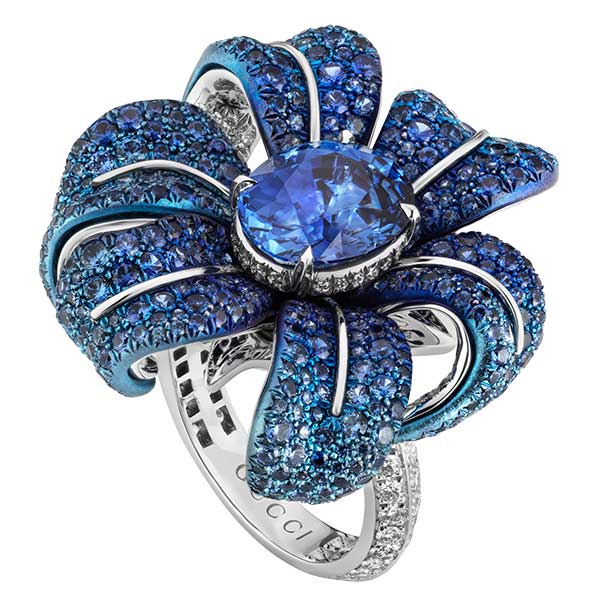
The stones themselves carry different messages. Sapphire has become the most practical alternative for buyers who want color without giving up durability, since its hardness makes it well suited to everyday wear. Aquamarine signals a softer, lighter aesthetic and often lands with buyers looking for something airy rather than grand. Emerald is more distinctive and more fragile than sapphire, which makes it feel intimate and collector-minded rather than purely practical. Pearl is the most romantic and least conventional of the group, but it is also the least suited to hard daily wear, a tradeoff that makes it feel more like a style statement than a forever default. Ruby, with its deep color and old-world symbolism, sits closest to the traditional bridal idea while still breaking from the white-diamond script.

The broader technology story matters too. The Gemological Institute of America published a 2024 look at generative AI in jewelry design, highlighting not only its creative reach but also the ethical, legal and regulatory questions it raises. That tension is now part of the engagement-ring conversation: shoppers are using AI tools to imagine more personal stones, while the market races to answer with lab-grown diamonds, colored gems and settings built around individuality rather than convention.
This article was produced by Prism’s automated news system from verified source data, official records, and press releases, then run through automated quality and moderation checks before publishing. The system is built and supervised by the people who set the standards it runs under. Read our full AI policy.
Did this article answer your question?