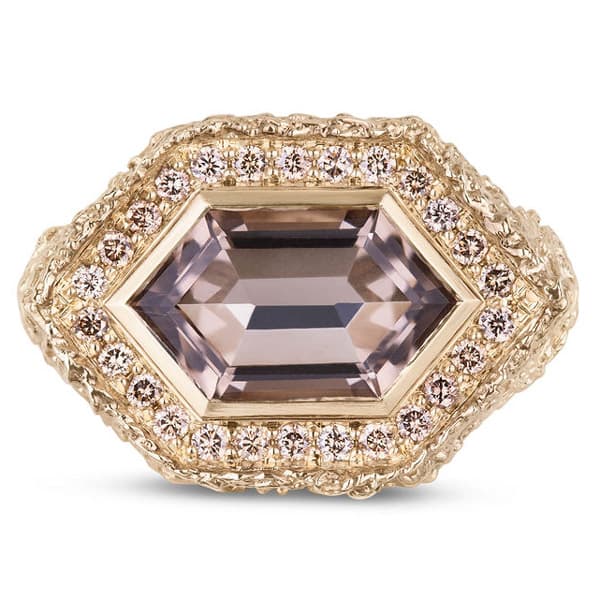
2026 Luxury Personalized Jewelry Embraces Storytelling and Traceable Recycled Metals
Luxury personalization now pairs handwriting, coordinates, and custom-cut stones with traceable recycled metals; bespoke work typically requires four to eight weeks.
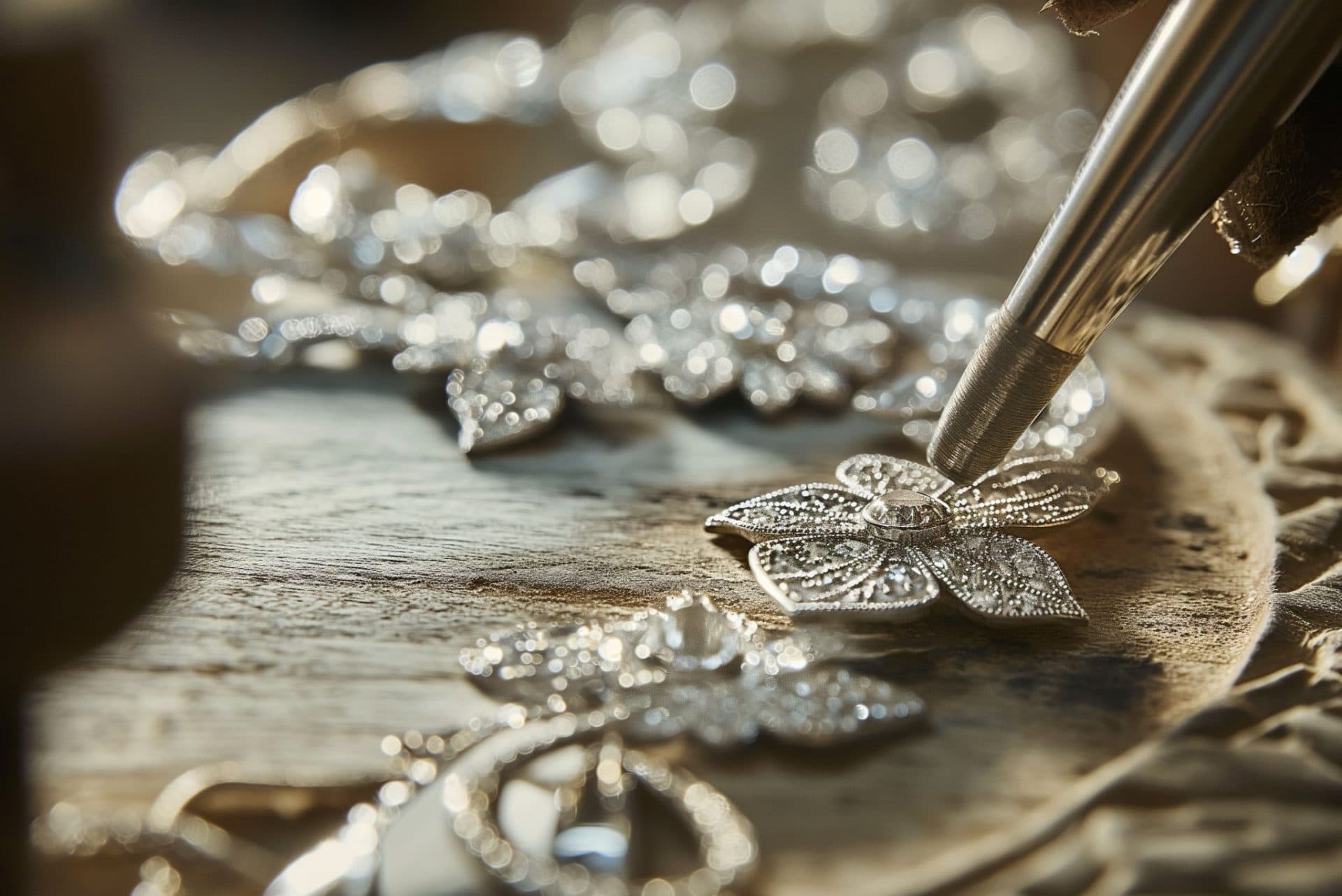
Luxury personalized jewelry in 2026 is defined by narrative detail and provable provenance. Designers and retailers are moving beyond monograms to handwriting engravings, coordinate inscriptions, custom-cut stones and structural interventions such as 3D-modeled crests cast into ring shanks. Vertu puts it plainly: “Personalization in 2026 creates a narrative piece, truly embodying bespoke jewelry.”
Materials and traceability have become as important as design. Vertu and Gabriel Fine Jewelers list recycled gold and lab-grown diamonds among the essentials of modern luxury, while Mvraki urges buyers to prioritize recycled silver and to “confirm traceability claims.” Gabriel Fine Jewelers frames the market consequence: “The resale and heirloom value of sustainable pieces continues to grow. As more buyers prioritize ethical sourcing, jewelry with documented sustainable credentials holds strong appeal in secondary markets.”
Production timing and supply-chain practice are central to the bespoke promise. Vertu’s FAQ is explicit: bespoke pieces typically require four to eight weeks for completion, and “complex designs involving 3D modeling or rare gemstone sourcing may take longer.” At the manufacturing level, Mvraki documents a shift toward cloud-based order tracking, rapid CAD approvals, and real-time inventory that make small runs feasible and compress launch cycles, while noting that “For silver jewelry, Thailand remains a premier hub, combining craftsmanship with transparent sourcing practices.”
Economic pressure is reshaping forms as well as ethics. Mvraki warns that price volatility in gold and forecasts of elevated silver near the “mid‑thirties per ounce in early 2026” are driving makers toward weight-efficient, daintier designs and diversified material mixes. Buying teams are responding with flexible minimum order quantities and by prioritizing recycled metals to keep costs predictable without sacrificing daily-wear value.
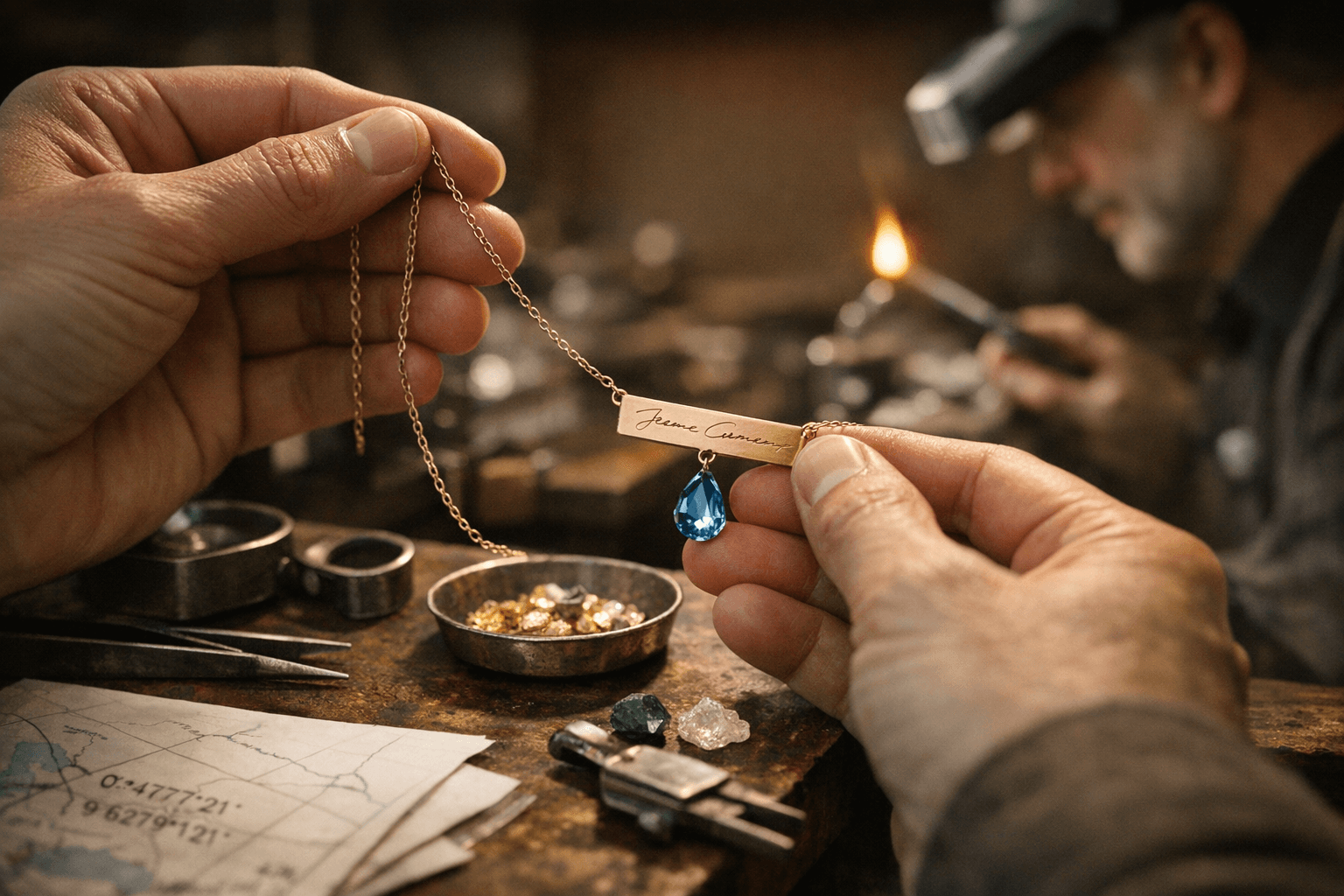
Style continues to split into intimate and extroverted modes. Chriscorreia describes the prevailing aesthetic as “shifted from overt to understated,” with “initials tucked inside a band, birthstones arranged in a meaningful cluster, dates engraved discreetly, these details create private resonance.” By contrast, Blog Stuller documents a parallel maximalist lane: “Bold, Maximalist Statement Jewelry: Bigger is better in 2026,” encouraging substantial chains and oversized rings alongside layered charm necklaces for everyday wear.
For jewelers the business case is clear: personalization fuels repeat gifting and creates conversation, and traceable credentials add resale cachet. Chris Correia emphasizes GIA-guided craft from his New York City studio and invites custom inquiries at chris@chriscorreia.com, while Gabriel Fine Jewelers recommends incorporating recycled gold, lab-grown diamonds, and vintage elements in consultations to align beauty with values.
The industry’s convergence of story and proof is not incidental. Mvraki summarizes the broader shift: “Sustainability, performance, and transparency are no longer separate conversations in jewelry; they are converging into one material-first approach that is reshaping design, sourcing, and manufacturing.” Expect personalized pieces in 2026 to be judged as much by their documented lineage as by the memories they carry.
Know something we missed? Have a correction or additional information?
Submit a Tip