2026 Makes Diamonds Everyday, Stackable, and Personal
Diamonds are leaving the special-occasion box and becoming part of the daily uniform, which changes everything from how pieces are styled to how they’re justified.
Diamonds are no longer waiting for the invitation
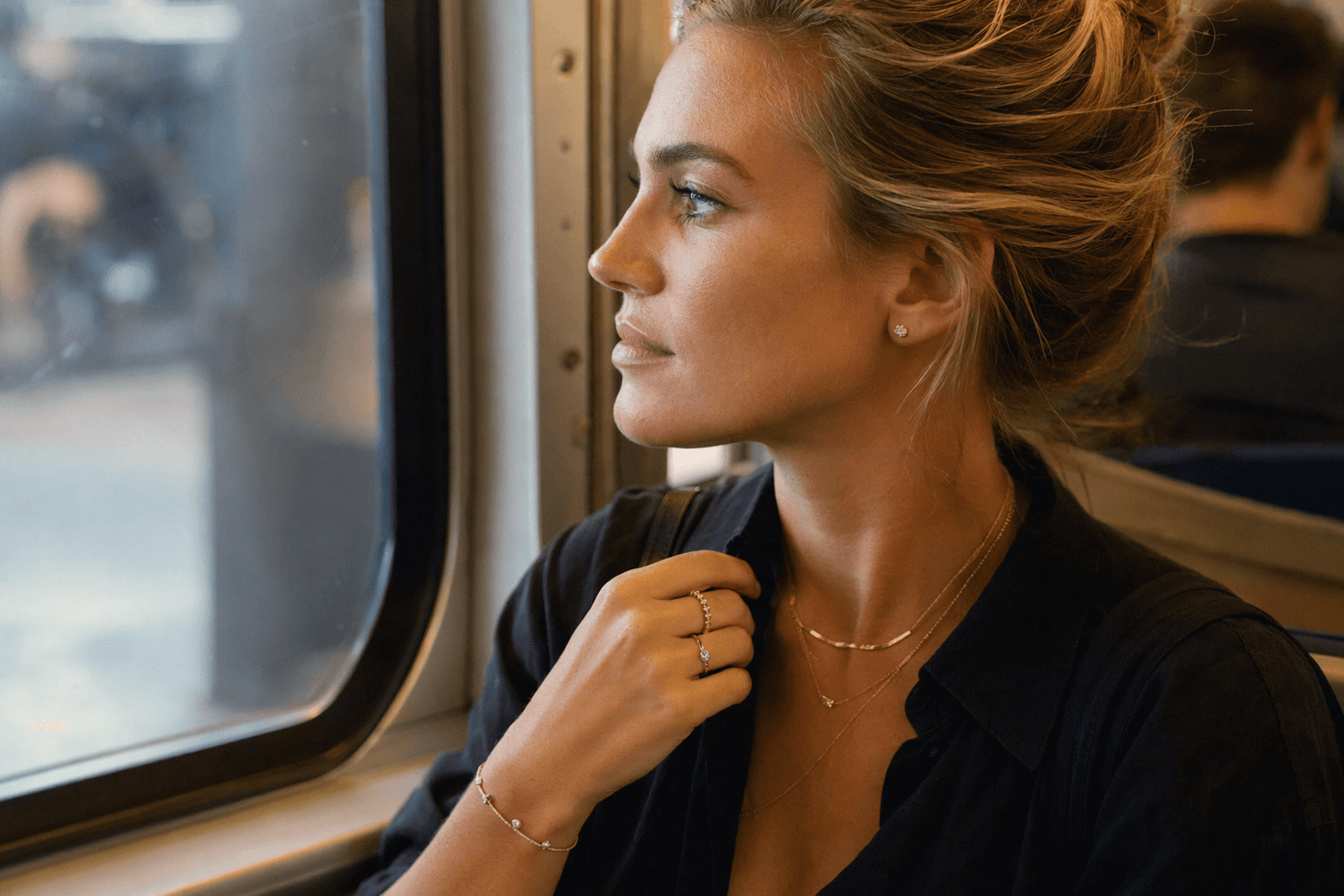
The most interesting diamond story of 2026 is not about extravagance. It is about repetition. Diamonds are moving out of the velvet-lined evening category and into the kind of jewelry you can wear with a white shirt, a watch, and a second thought. That shift changes the buying logic as much as the styling: the question is no longer whether a diamond feels formal enough, but whether it earns a place in the rotation.
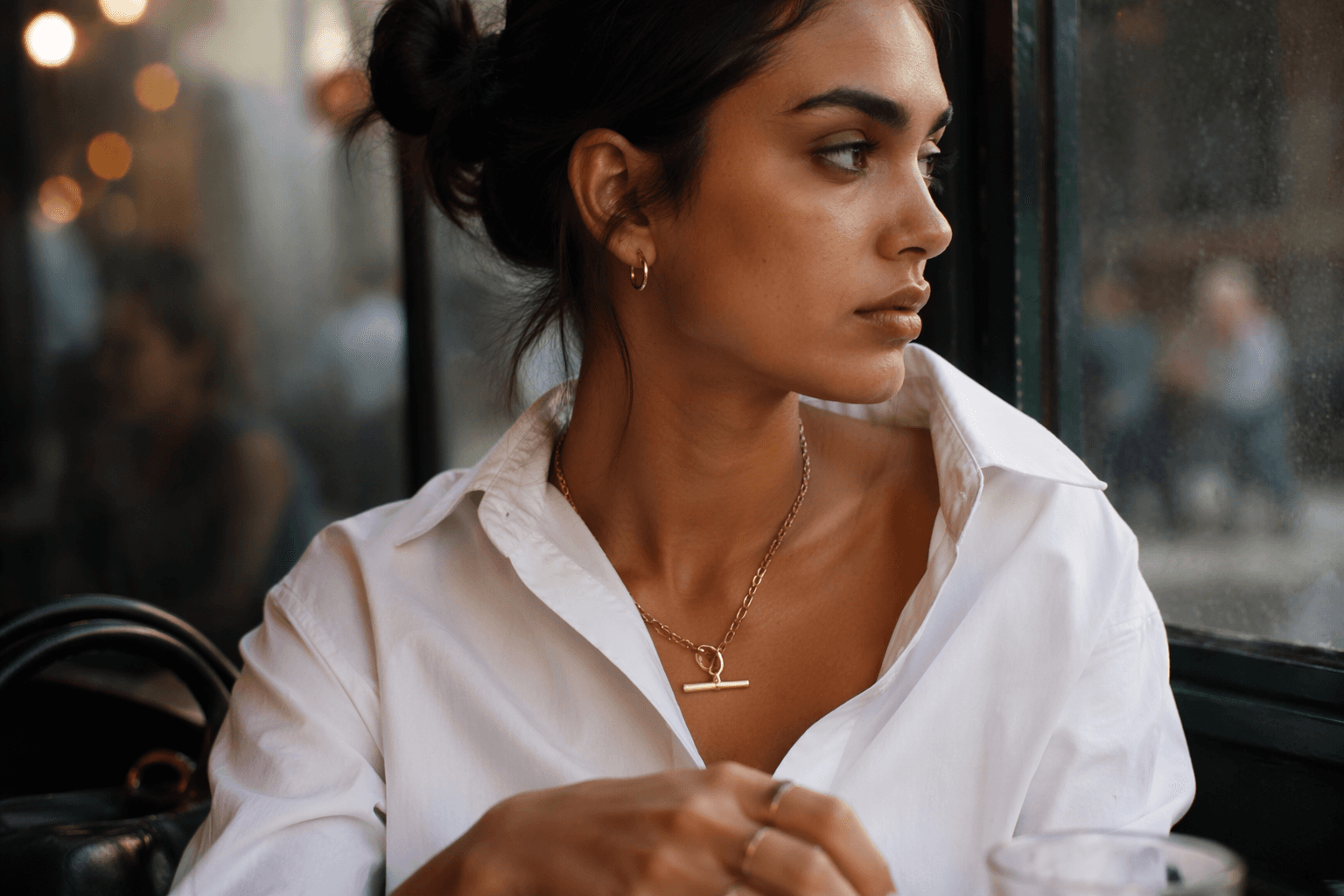
That is why stackable rings, layered bracelets, and mix-and-match diamond pieces are taking over the conversation. News18’s May 4 update puts everyday diamond jewelry at the center of the year’s biggest trends, while Who What Wear says diamonds are “no longer reserved for once-in-a-lifetime moments” and are now being worn daily and stacked casually. PORTER draws the same line from a different angle, calling them “daytime diamonds” that work with denim, casual tees, and tailoring. The message is clear: the modern diamond is not an occasion piece first. It is a wardrobe piece first.
Why stacking now feels more edited than maximalist
Stacking is still the practical gateway into everyday diamonds, but the mood has changed. Jewelers Mutual’s December 2025 forecast makes one of the sharpest observations in the category: stacking is becoming more curated and intentional, not overloaded. That matters because the old instinct was to pile on until the hand or wrist felt finished. The new instinct is to compose a look with restraint, contrast, and a little tension.
That is where the best diamond stacks start to feel personal rather than generic. A slim pavé band beside a plain gold ring reads differently from three identical bands worn together. A single diamond bangle layered with a chain bracelet feels considered in a way that a heavy pile of sparkle does not. The trend is less about abundance than about cadence, the rhythm of pieces that repeat often enough to become part of your signature.
The settings and silhouettes that make everyday wear work
For diamonds to become truly everyday, construction matters. Brilliant Earth’s 2026 trend guide, led by SVP of Merchandising Annie Chen, includes bezel-set jewelry among its key directions, and that makes sense for a category that is expected to live in motion. A bezel setting wraps metal around the stone’s edge, which gives the diamond a more protected profile and a smoother feel against skin and clothing. By contrast, prong settings lift the stone higher and usually let in more light, which can heighten brilliance, but they also ask for more care in daily wear.
That distinction is not cosmetic. If you want a ring that can live beside a laptop, a gym bag, or a steering wheel, a bezel can feel more practical and less fussy. If you want maximum sparkle and do not mind a slightly more delicate architecture, prongs still have their place. The growing appetite for bezel-set pieces, chains, and personalized jewelry signals a market that values pieces with repeat wear built into the design, not added after the fact.
The new diamond wardrobe is emotional, not rigid
There is also a cultural shift underneath the sparkle. Jewelers Mutual says its 2026 forecast is shaped by style preferences, innovations in gem cutting, ethical sourcing, and customer buying behavior. In other words, the diamond market is responding to values as much as aesthetics. Consumers want pieces that feel responsible, wearable, and aligned with how they actually dress, which is why the jewelry conversation has drifted away from rigid minimalism and toward something more expressive.
Who What Wear describes the category as more democratic, expressive, and personal. That is an important word in this moment: personal. The diamond is no longer only a status object or a ceremonial token. It is becoming part of an everyday identity, a way to signal taste without formality. That is also why the style language around diamonds has become softer and less prescribed. You are not dressing for the jewelry anymore. The jewelry is adapting to the life you already have.
Vintage cues, colored stones, and the end of one-note luxury
If 2026 diamonds are more relaxed, they are not less interesting. News18 ties the everyday-diamond story to vintage-inspired detailing and colored stones, which gives the category more texture than a simple all-white, all-polished look. Marie Claire UK, after consulting designers, buyers, and PR professionals, places vintage-inspired jewelry, brown diamonds, ear cuffs, sculptural silver, high-low jewelry, elevated beads, and bold self-expression among the year’s key directions.
That mix says a lot about the current mood. Brown diamonds bring warmth and softness, especially beside yellow gold or brushed metal. Sculptural silver offers a cooler, more modern counterpoint. Elevated beads and high-low styling loosen the old hierarchy that separated precious from playful. The result is a jewelry wardrobe that feels layered in both material and meaning, where a diamond can sit comfortably beside something more casual without losing its impact.
How to style the trend without overthinking it
The easiest way to make everyday diamonds feel current is to treat them like clothing you actually repeat. One ring can do more work than three if the setting is strong and the proportions are right. A stack built from one diamond band, one plain band, and one textured piece often looks more luxurious than a hand crowded with sparkle. On the wrist, a slim diamond bracelet paired with a chain or leather strap reads as lived-in rather than precious.
- Choose one focal point, then support it with quieter pieces.
- Mix metal finishes only if there is a clear visual reason.
- Let one setting style, bezel, prong, or pavé, lead the conversation.
- Use contrast, like denim or a crisp tee, to make the diamonds feel intentional rather than overdone.
A few practical rules sharpen the look:
That last point is why PORTER’s framing matters. Diamonds with tailoring feel polished. Diamonds with jeans feel modern. Diamonds with a plain T-shirt feel almost subversive in the best way, because they refuse the old rule that sparkle must wait for evening.
The real test: is this a wardrobe shift or just a new label?
The answer depends on whether the pieces you buy will earn repetition. A diamond trend only becomes meaningful when it changes behavior: when you stop saving jewelry for a special dinner, when you start building stacks with the same discipline you bring to getting dressed, and when price becomes part of the calculus rather than an afterthought. Everyday diamonds make the strongest case when they are well made, thoughtfully sourced, and flexible enough to move through a week of ordinary life.
That is the deeper story of 2026. The category is not simply getting smaller, prettier, or more wearable. It is becoming more honest about how luxury actually works now: not as a museum piece, but as something you reach for, wear hard, and recognize as part of yourself.
This article was produced by Prism’s automated news system from verified source data, official records, and press releases, then run through automated quality and moderation checks before publishing. The system is built and supervised by the people who set the standards it runs under. Read our full AI policy.
Did this article answer your question?