Pandora adds carbon-footprint labels to lab-grown diamond jewelry
Pandora will put a carbon number next to each lab-grown diamond, recasting the 4Cs as 5 and putting a 12.58 kg CO2e figure in front of shoppers.
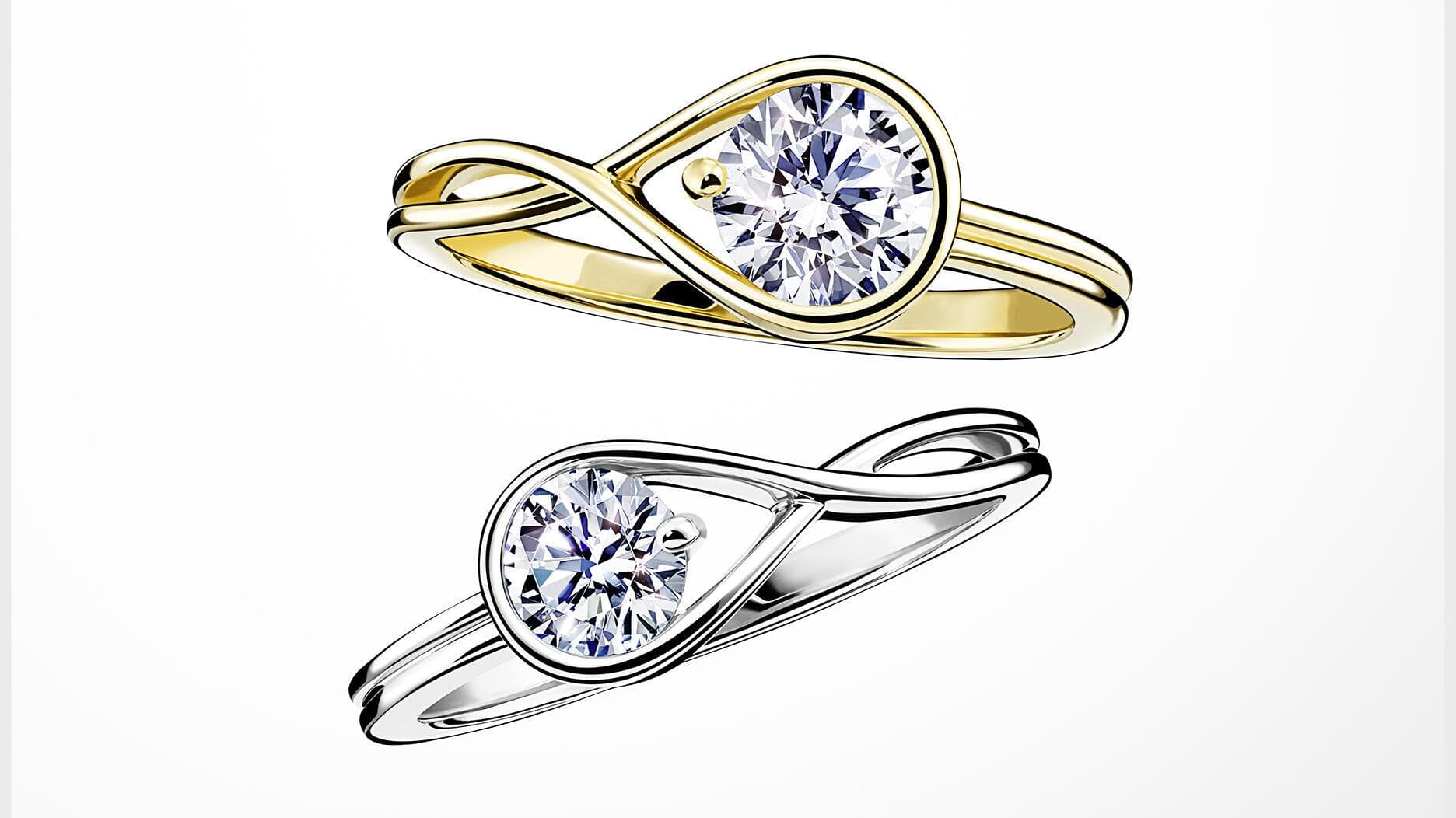
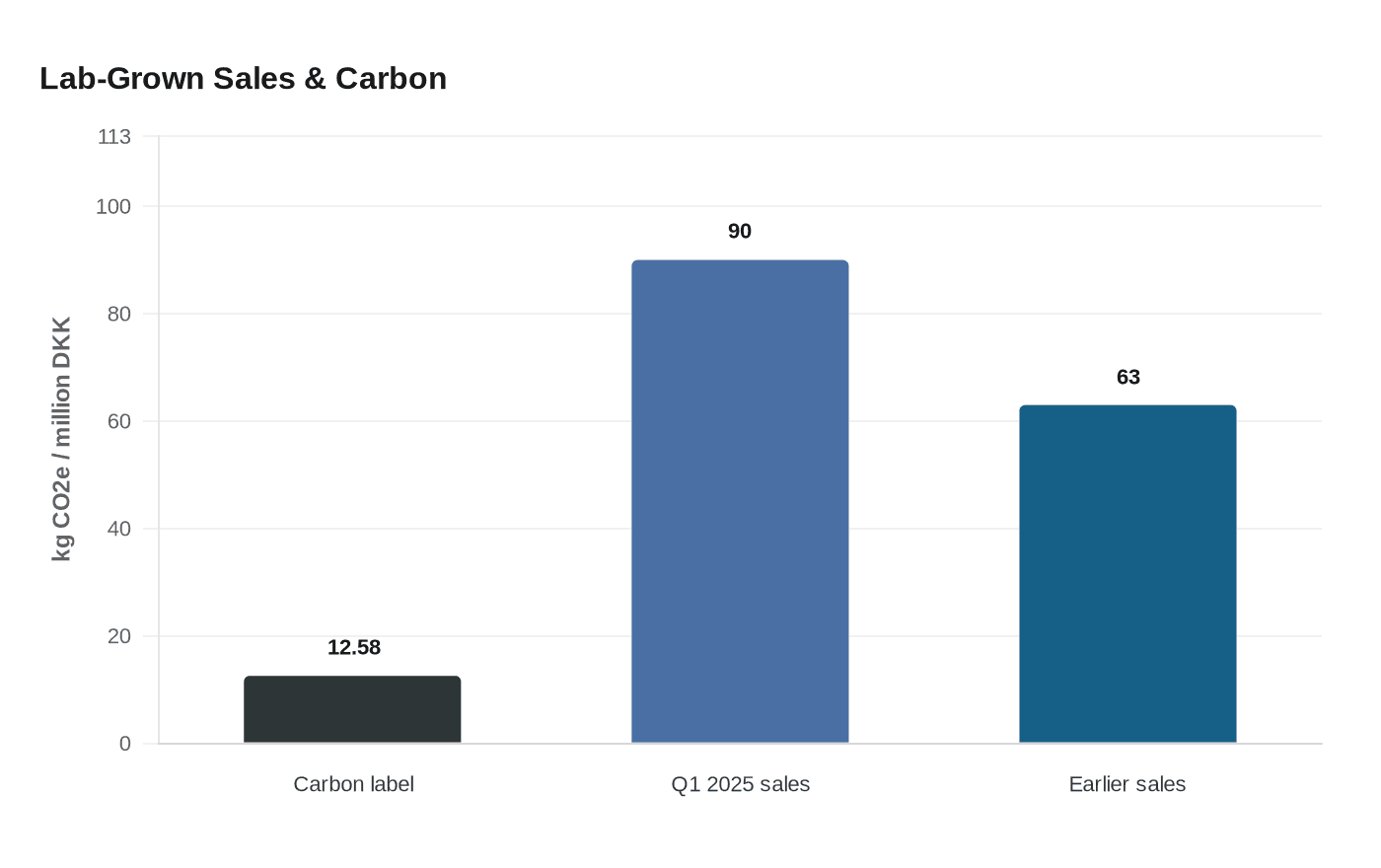
Pandora has turned lab-grown diamonds into something more legible, and more scrutinized. The brand said it will begin adding carbon-footprint labels to its lab-grown diamond jewelry, presenting the figure as a “5th C” alongside cut, colour, clarity and carat. For a one-carat Pandora lab-grown diamond, that number is 12.58 kg of CO2e, which the company says is about 90% lower than a mined diamond of the same size. The label will appear on product information on pandora.net, giving shoppers a direct way to weigh climate impact alongside the familiar language of diamond quality.
The practical effect is bigger than a sustainability badge. A carbon label changes the shopping question from “How large is it?” to “What does it cost the planet to make it?” Pandora said the footprint covers emissions from producing the raw materials used to grow the diamond through cutting and polishing, and that the calculation was done by external life-cycle assessment experts and verified by EY. For buyers who have already embraced lab-grown stones as a more accessible entry point into fine jewelry, the new number adds a harder metric to a category that has often been sold on style and price alone.
Pandora’s move also sharpens the comparison between lab-grown and mined diamonds in the way a generation of consumers now expects from apparel, beauty and even home goods. The company said its lab-grown diamonds are made using 100% renewable electricity and set in jewelry crafted from 100% recycled silver and gold. It said it will share its methodology and findings with other jewelry makers, a notable signal in a sector where transparency has rarely been standardized. Pandora’s lab-grown diamond line is currently sold in the United States, United Kingdom, Canada, Australia, New Zealand and Denmark.
The timing matters. Pandora has used lab-grown diamonds exclusively since 2022, and the category had already become a meaningful part of its business before the current softer patch. In the first quarter of 2025, the company’s “fuel with more” segment rose 12% like-for-like, while lab-grown diamond jewelry sales reached 90 million Danish kroner, or $13.7 million, up 43% like-for-like. An earlier quarter brought 63 million Danish kroner, or $9 million, and 87% like-for-like growth. Now Pandora is trying to reignite demand by leaning harder into design-led collections and styles beyond charms, citing stronger traction in sparkling, bold and organic looks, as well as collaborations tied to Bridgerton and Katseye. The coming launch of Pandora Wonders in July suggests the brand wants its diamonds to read less like a category extension and more like a statement of where affordable fine jewelry is headed next.
This article was produced by Prism’s automated news system from verified source data, official records, and press releases, then run through automated quality and moderation checks before publishing. The system is built and supervised by the people who set the standards it runs under. Read our full AI policy.
Did this article answer your question?