Alternative engagement rings gain staying power with Gen Z shoppers
Alternative engagement rings are moving from statement piece to long-term default as Gen Z shoppers favor custom design, durable settings, and stone choices that fit real life.
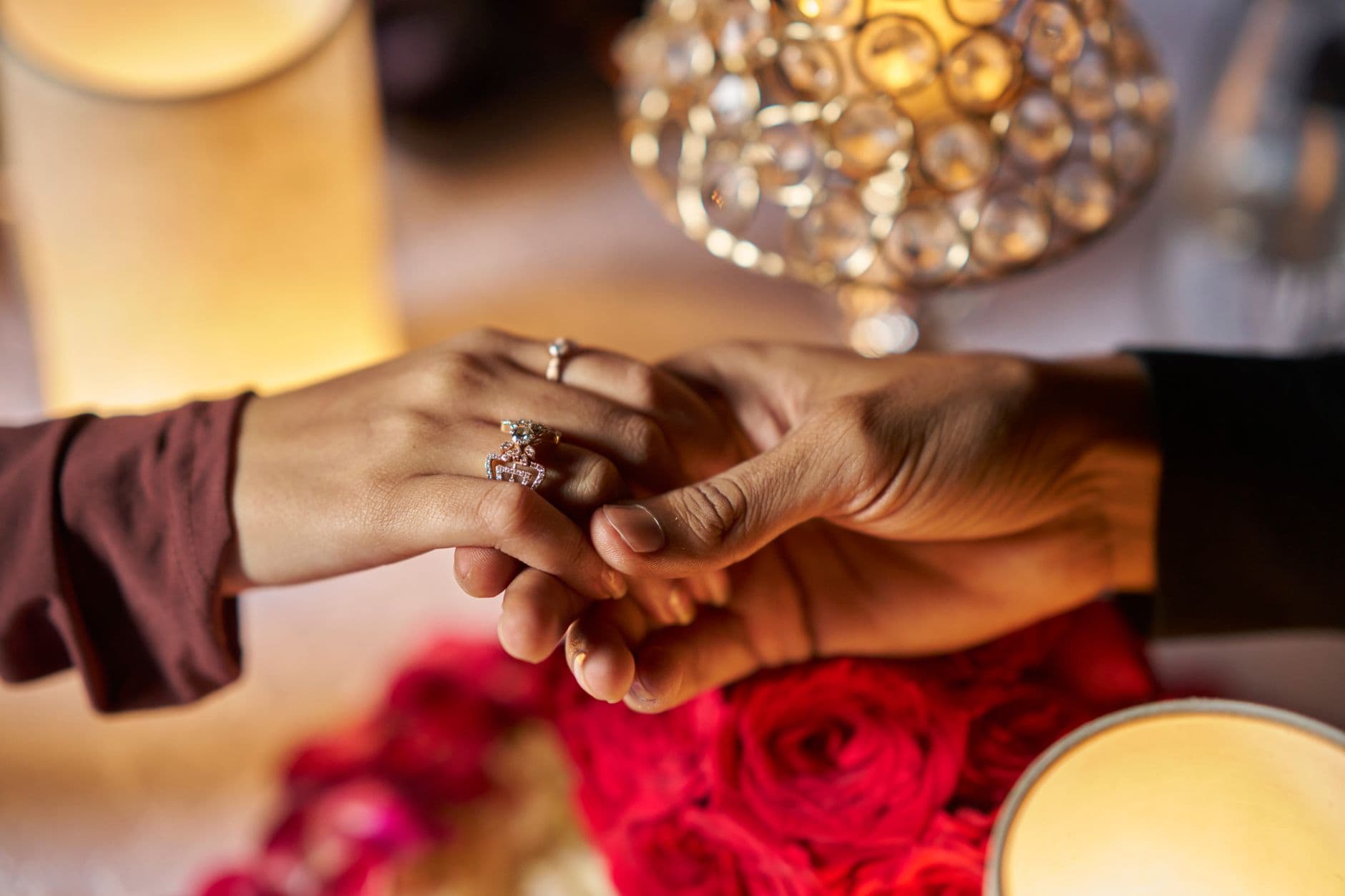
Alternative engagement rings have crossed the line from statement piece to practical default. For Gen Z shoppers, the appeal is not novelty for its own sake but a ring that can survive daily life, reflect a personal story, and make sense beside a budget that may also include rent, travel, or a future home. That shift is showing up in search data, retail surveys, and the way jewelers now talk about natural and lab-grown stones in the same conversation.
Why the shift is sticking
JCK’s June 12 coverage made the point plainly: alternative engagement rings are becoming a durable consumer preference, not a passing social-media mood. The story line around them has also widened. What began as a response to traditional bridal formality now reads as a broader alt-wedding movement built on personalization, authenticity, and rings that match unconventional celebrations as much as conventional vows.
That matters because the social meaning of the ring has changed. A classic solitaire still signals tradition, but an alternative ring can signal self-definition, taste, and restraint all at once. National Jeweler’s 2025 coverage pointed to continued demand for custom, colored, and nontraditional bridal styles, which suggests this is not a niche aesthetic. It is becoming a standard buying language for couples who want the ring to feel chosen, not prescribed.
The stone is no longer just about carat weight
Stone choice is where the shift becomes most visible. Jewelers of America now explicitly tells consumers that alternate engagement-ring stone options include lab-grown diamonds, and its March 2025 launch of Counter Intelligence: Just the Facts about Natural & Lab-Grown Diamonds shows how directly retailers are being forced to address the comparison. Natural diamonds still carry tradition and rarity, while lab-grown stones often offer more visual size for the budget, which is exactly why they have moved from fringe curiosity to mainstream option.
Pinterest’s wedding data helps explain the mood behind that change. The platform said its 2024 Wedding Report was built from more than 3 billion wedding-related searches and more than 10 billion wedding ideas saved globally in one year. Within that flood of inspiration, searches for blue wedding rings, vintage wedding rings antique, and gold wedding rings vintage rose, which tells you the consumer is not just shopping for a diamond shape but for a point of view.
That shift also changes how couples think about value. The old assumption was that an engagement ring should behave like a financial instrument, with resale as a central test. In practice, many shoppers are now buying for emotional durability and wearability first, while treating resale as secondary or uncertain. That is especially true for lab-grown, colored, and vintage-inspired rings, where the ring’s meaning often matters more than any imagined liquid market.
Settings are becoming part of the lifestyle brief
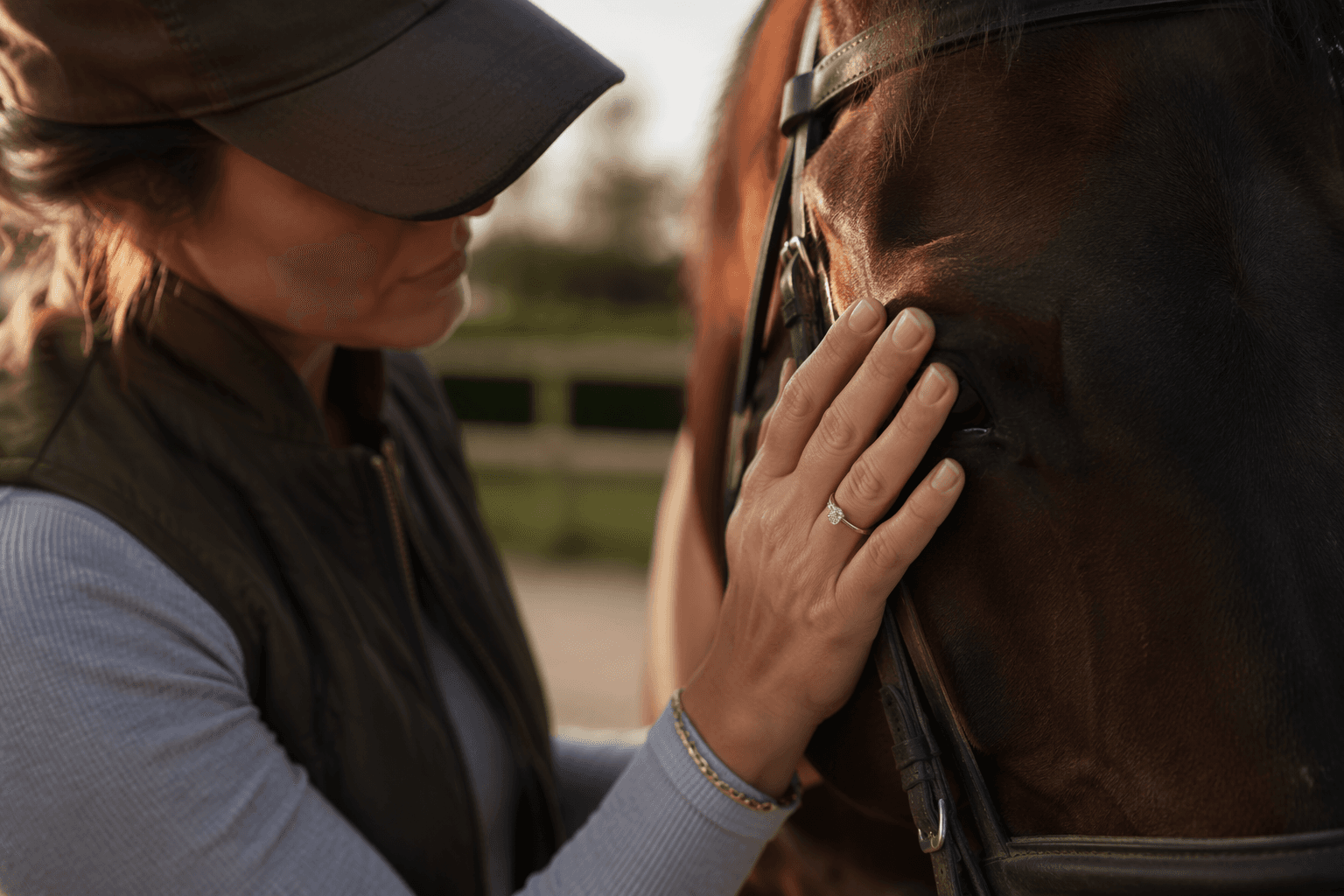
Once the stone is chosen, the setting does a great deal of the work. A bezel setting, which wraps metal around the stone’s edge, naturally reads as more protective than a high-prong mount, and that matters if the ring is meant to be lived in rather than locked away. Prongs keep more of the stone visible and preserve a traditional silhouette, but they also place the gem in a more exposed position.
This is why the strongest alternative rings are not just visually unusual, they are structurally sensible. Couples who want jewelry they can sleep, shower, and surf in are choosing mounts that can take daily contact without constant anxiety. That practical instinct is part of the appeal of platinum and other sturdier constructions in bridal jewelry overall, because the ring has to survive the life the couple actually has, not the life a campaign image suggests.
The buying journey is now hybrid
The way couples shop has changed as much as what they buy. Helzberg’s 2025 Engagement & Ring Shopping Survey polled 1,000 U.S. adults ages 20 to 40 who were engaged, in serious relationships where marriage had been discussed, or married with an engagement in the prior two years. The takeaway was clear: digital browsing shapes the purchase, but shoppers still want trusted in-store jeweler expertise before they commit.
That hybrid behavior explains why Pinterest matters so much. Its search data feeds the dream phase, but the final decision still happens where someone can compare a bezel to a prong, hold a lab-grown stone beside a natural one, and understand why a custom ring costs what it does. In other words, Gen Z is not abandoning expertise. It is just arriving at it with a phone full of references.
The bigger market is not standing still
The broader diamond market suggests this shift is durable rather than decorative. De Beers said its June 11, 2026 U.S. Diamond Report was based on a study of 18,500 women, found Gen Z to be the second-largest generation buying diamonds, and said average purchase prices have increased 25%. It also said non-bridal occasions account for three-quarters of overall U.S. diamond demand, which is a powerful reminder that wedding jewelry is only one part of a much larger market for diamond jewelry.
That context matters because it shows why alternative engagement rings are not a retreat from the category. They are one expression of a broader diamond buyer who may also be shopping anniversary gifts, self-purchase pieces, and everyday jewelry. De Beers and Signet Jewelers announced a collaboration in May 2024 to highlight natural diamonds to Zillennials ahead of an expected 25% increase in engagements over the next three years, which signals that major players still see bridal as a growth category even as consumers demand more personal choices.
The real decision drivers are increasingly straightforward:
- Stone type: Natural diamond, lab-grown diamond, or colored stone each tells a different story and carries a different price logic.
- Setting durability: A bezel, low profile, or well-secured prong setting can determine whether the ring suits daily wear or demands caution.
- Resale assumptions: Many couples are no longer buying with resale at the center of the decision, especially when the ring is chosen as a personal object rather than an asset.
- Social signaling: The ring still communicates something, but now that message often leans toward taste, individuality, and practicality instead of size alone.
That is why alternative engagement rings have staying power. They answer the oldest bridal question with a modern one: not what looks traditional, but what will still feel right when the proposal is no longer the story and the marriage is.
This article was produced by Prism’s automated news system from verified source data, official records, and press releases, then run through automated quality and moderation checks before publishing. The system is built and supervised by the people who set the standards it runs under. Read our full AI policy.
Did this article answer your question?