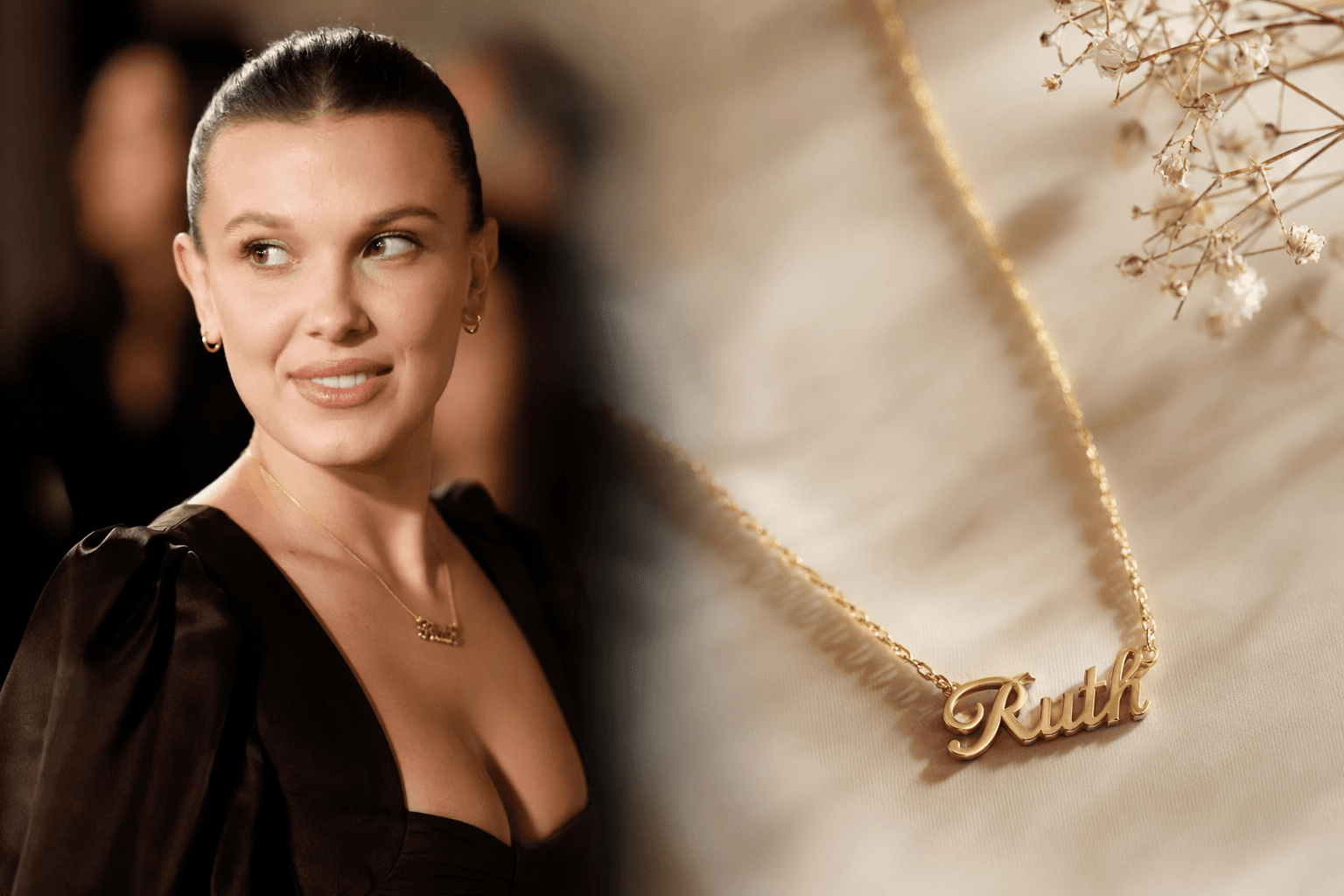
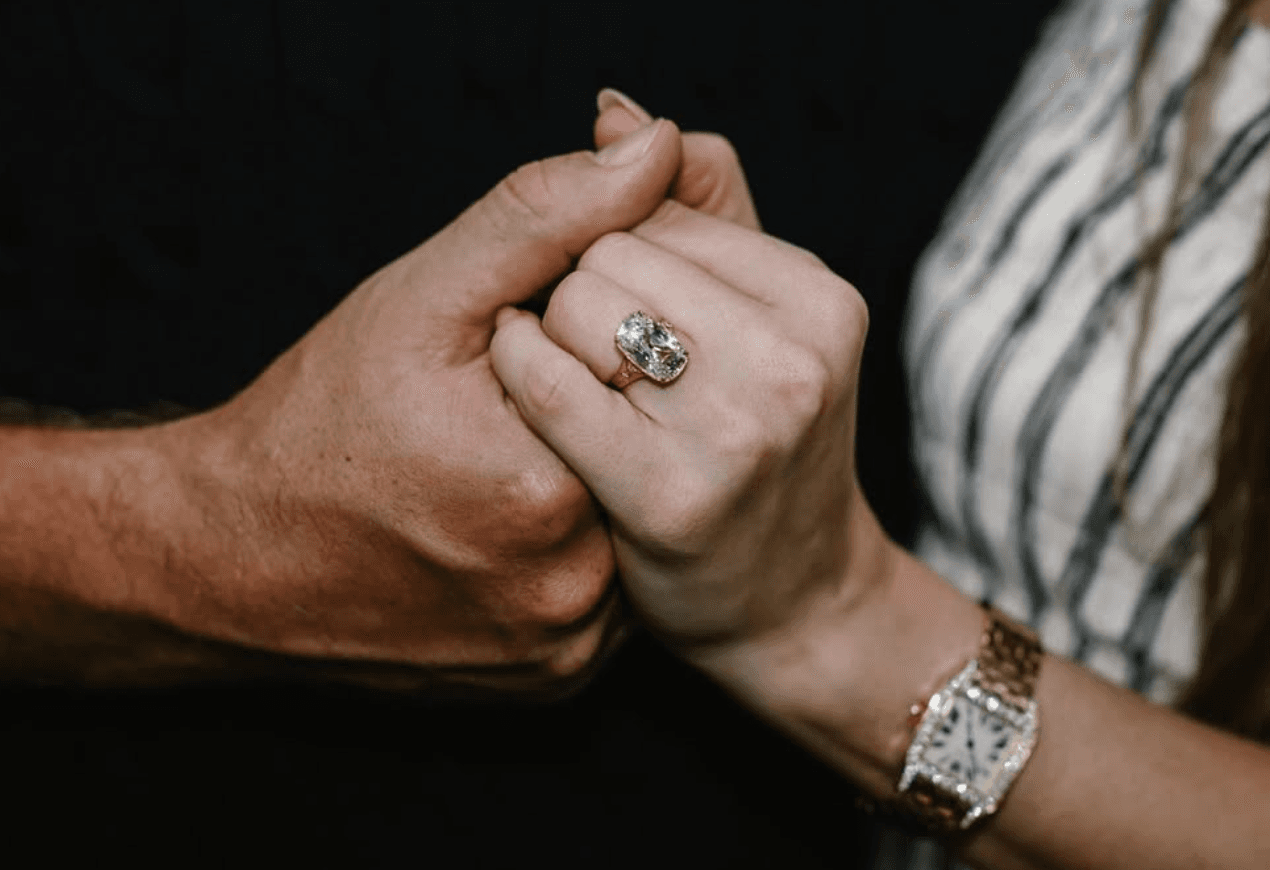
Are mall-brand fine jewelry pieces from Kay, Pandora and Zales worth it?
Mall-brand fine jewelry can be worth it when the metal is honest and the design is simple. The smartest buys are everyday chains and bracelets that wear like real staples, not theatrical sparkle.
The real question: what does the money buy?
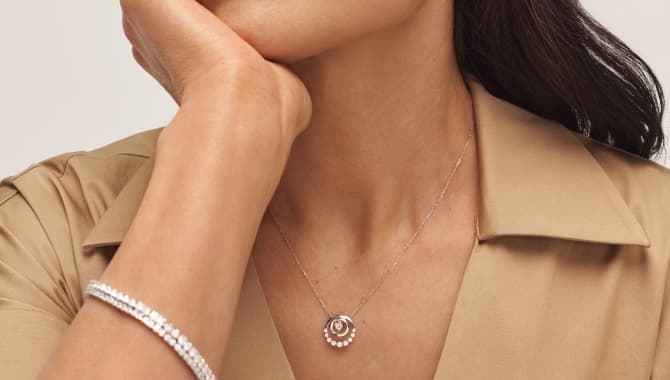
A Mother’s Day shopping test of solid-gold chain necklaces and lab-grown diamond tennis bracelets gets to the heart of mall-brand fine jewelry: is this real value, or just familiar branding in a glass case? With Kay, Pandora and Zales, the answer depends less on the logo than on the construction. Simple pieces can be a smart buy; designs that lean on diamonds to create the feeling of luxury deserve a sharper eye.
Why these names still matter
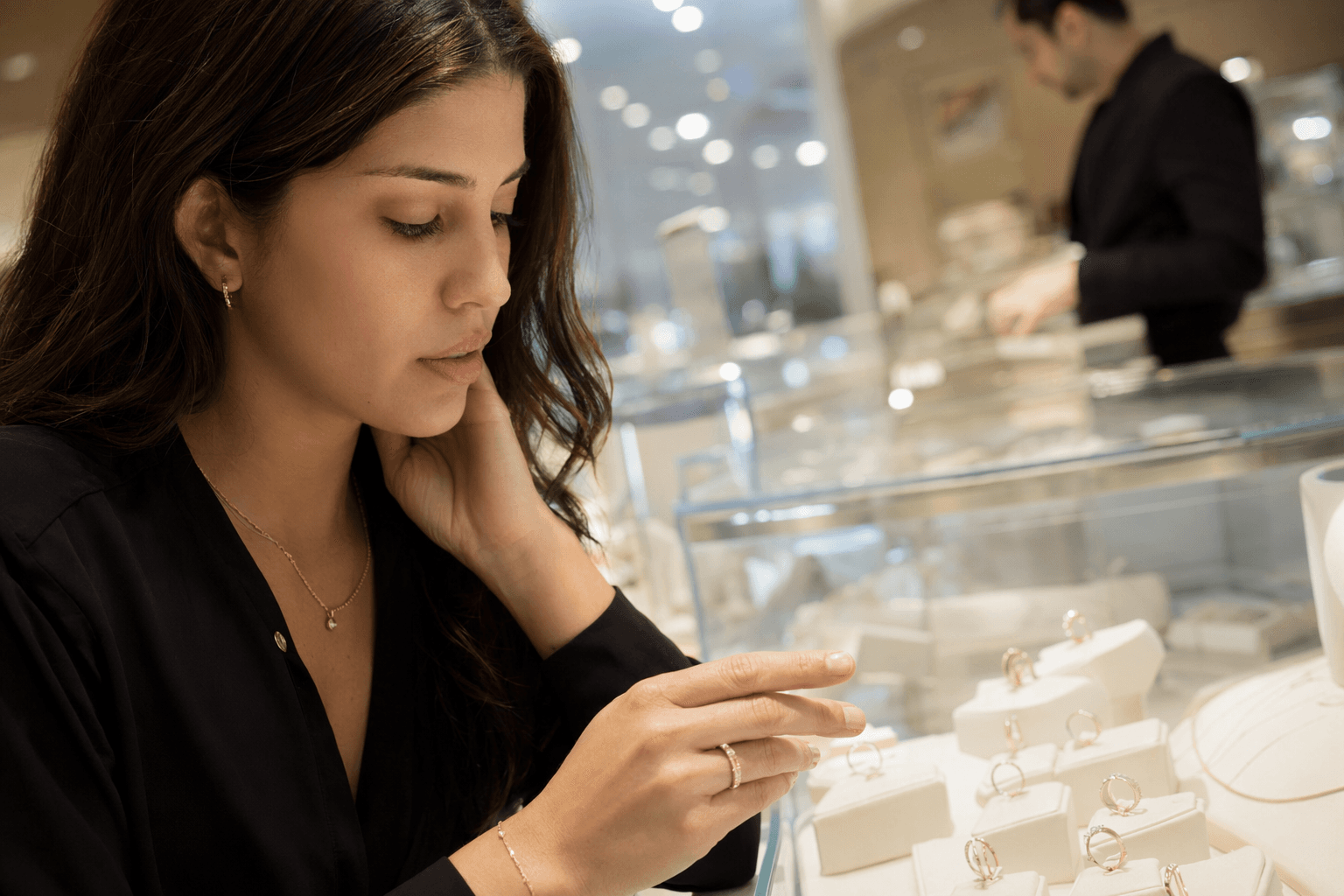
Kay Jewelers opened in Reading, Pennsylvania, in 1916, and Zales followed in Wichita Falls, Texas, in 1924, which gives both brands a century-long head start in the business of accessible sentiment. Today, they sit inside Signet Jewelers, a company that says it operates about 2,600 stores across names including Kay, Zales, Jared, Blue Nile and others, and that it reported $6.7 billion in annual sales on its investor page. That scale matters because it explains how these stores can offer fine jewelry that is meant to be bought, worn and replaced far more often than heirloom pieces.
Pandora is a different animal, but no less central to the conversation. Founded in Copenhagen in 1982, the company says it employs more than 27,300 people worldwide, with around 13,200 in Thailand, where it manufactures its jewelry. It also says it sold 112 million pieces in 2025, called itself the world’s largest jewelry brand by revenue, and reported DKK 32.5 billion in revenue that year, which tells you how deeply it has trained shoppers to think of jewelry as part of daily dressing, not occasional ceremony.
Where mall brands overdeliver
The best argument for Kay, Pandora and Zales is not prestige, it is practicality. A solid-gold chain necklace does not need a complicated narrative to justify itself: if the links are well made, the clasp is secure and the weight feels substantial on the neck, it can become the kind of piece that does the work of an outfit. That is where mall-brand fine jewelry often overdelivers, because the styling is familiar, the price is usually more reachable than at a luxury house, and the pieces are built for regular wear rather than locked-box reverence.
Pandora deserves special credit for making its material story legible. The brand says it used 100% recycled silver and gold in its jewelry crafting as of August 2024, which gives even its simplest pieces a cleaner conscience than many shoppers expect from a mass-market mall presence. When a piece is this streamlined, the value comes from honest metal, crisp finishing and a look that does not try too hard.
Where the corners start to show
The compromises usually appear in the finishing, not the fantasy. Thin links, light clasps and surfaces that look rich under store lights can feel less convincing after repeated wear, especially on bracelets and chains that live against skin, sleeves and desk edges all day. In other words, the piece may be “fine” in the jewelry sense, but still not quite fine enough in the physical sense if the construction feels airy.
That caution matters even more once diamonds enter the picture. A tennis bracelet is only as good as its settings, and settings tell the truth quickly: prongs can maximize sparkle, but they also expose more of each stone, while a more protective build can better suit everyday wear. If the stones are lab-grown, the design still needs to earn its keep through craftsmanship, because a bracelet full of diamonds is not automatically a better bracelet than a clean gold line that sits beautifully on the wrist.
The safest buys are the least theatrical
The most reliable purchases are the ones where you can see exactly what you are paying for. Solid-gold chains, plain hoops and straightforward tennis bracelets are safer bets than ornate pieces that depend on visual drama to cover up a lighter feel. These are the categories where Signet’s sourcing rules matter most, because the company says its responsible sourcing standards cover all precious metals and stones, including lab-grown diamonds, and explicitly prohibit undisclosed lab-grown diamonds.
That clarity is important in a market where lab-grown diamonds are no longer a sideline. Pandora said its Pandora Lab-Grown Diamonds business grew 87% in the first quarter of 2024, then raised its 2024 organic-growth guidance to 8% to 10%, which shows how quickly the category moved from novelty to strategy. For a shopper, that means a lab-grown tennis bracelet is worth considering, but only if the setting, metal weight and finishing feel strong enough to survive daily wear.
A shift in the industry, not just in the case
Signet and Pandora are not merely selling jewelry; they are building their business models around the same consumer shift toward accessible fine jewelry. Signet said on March 19, 2025 that it was the world’s largest retailer of diamond jewelry, and on March 19, 2026 it said Kay, Zales and Jared led more than a point of comparable-store-sales growth in fiscal 2026, while also increasing its dividend to $0.35 per share. Pandora, meanwhile, continues to trade on scale, speed and repeat purchase, with around 2,800 concept stores and a manufacturing base centered in Thailand.
That backdrop helps explain why these mall names still pull shoppers in. They are not trying to be heritage ateliers or high-jewelry salons; they are trying to make fine jewelry feel wearable, familiar and reachable. When they succeed, the best pieces are the ones that become part of a daily uniform, quietly doing the work of luxury without asking for a special occasion.
The verdict
Mall-brand fine jewelry is worth it when the piece is simple, the materials are transparent and the construction can stand up to actual life. Kay and Zales offer the reassurance of long retail histories inside Signet’s vast network, while Pandora brings a more modern, materials-driven approach that leans into recycled metals and lab-grown diamonds. The smart money is on everyday chains, hoops and carefully made bracelets, where the value is visible from the first wear and still holds up after the thousandth.
Know something we missed? Have a correction or additional information?
Submit a Tip