Banter’s Gaydar edit spotlights Pride-ready stackables and ear styling
Banter’s Gaydar edit leans into stackable, ear-styling pieces that feel built for daily wear, while Rebel Nell turns a Pride mural into tangible keepsakes.
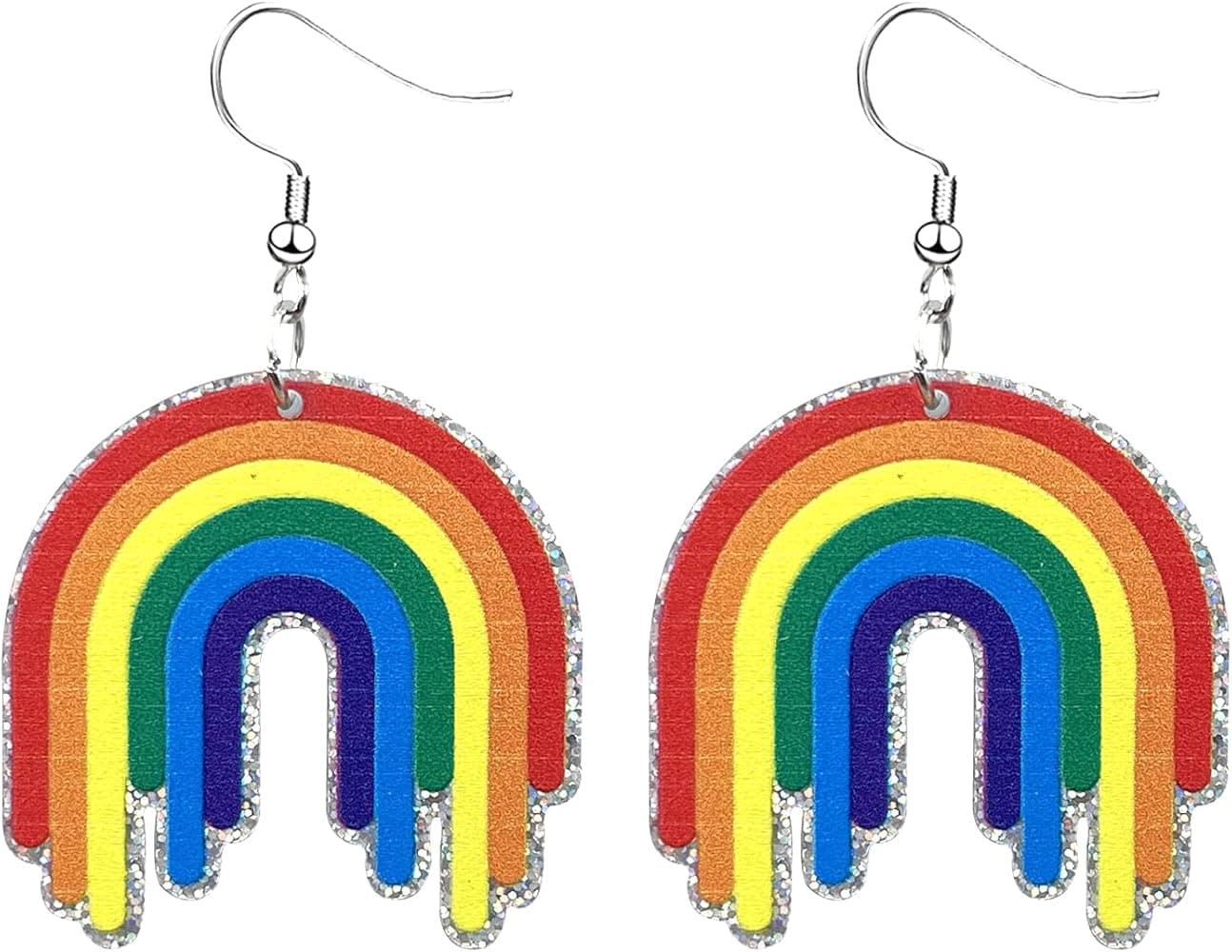
Banter’s Gaydar edit is the rare Pride collection that makes practical sense before it makes a statement. Built around stackable jewelry, statement pieces, and ear-styling essentials, it treats the ear like a wardrobe of its own, which is exactly why it feels more wearable than a one-off rainbow product drop. In a month crowded with symbolic gestures, the strongest pieces are the ones that can live in an everyday rotation and still carry identity with precision.
Banter puts the ear stack at the center
The Gaydar edit was curated by Banter in collaboration with the Gaydar web series, and its pitch is clear: creativity, confidence, individuality. That language can sound generic in lesser hands, but the assortment itself gives it structure. Stackables and ear-styling pieces invite the wearer to build, layer, and revise the look over time, which is a different proposition from a single pendant or logo-heavy token.
That focus also fits Banter’s own history. The brand, which Signet says rebranded from Piercing Pagoda in August 2021, traces its roots back to 1969 and says it has pierced millions of ears. That matters, because it frames the collection as an extension of the brand’s core business rather than a seasonal detour into Pride marketing. When a jeweler already understands piercing, placement, and the visual grammar of the ear, a Pride edit can feel less like costume and more like a natural evolution of the way people actually wear jewelry.
Banter also sponsored a special series of Gaydar Instagram posts, which pushes the collaboration beyond a product page and into the social spaces where style habits are now formed. For a younger customer base, especially the Gen Z and millennial shoppers Banter is built to serve, that kind of visibility is part of the appeal. Pride becomes not just a June message, but a more public expression of how a customer wants to show up every day.
Why the edit works as an everyday buy
The most compelling thing about Banter’s Gaydar assortment is not that it is Pride-themed. It is that the category mix has utility. Stackable jewelry solves the modern buyer’s problem of wanting variety without buying into a full new look, and ear-styling pieces make self-expression modular. That matters for shoppers who want jewelry that can be mixed, matched, and worn repeatedly, not something that only comes out for a parade or a party.
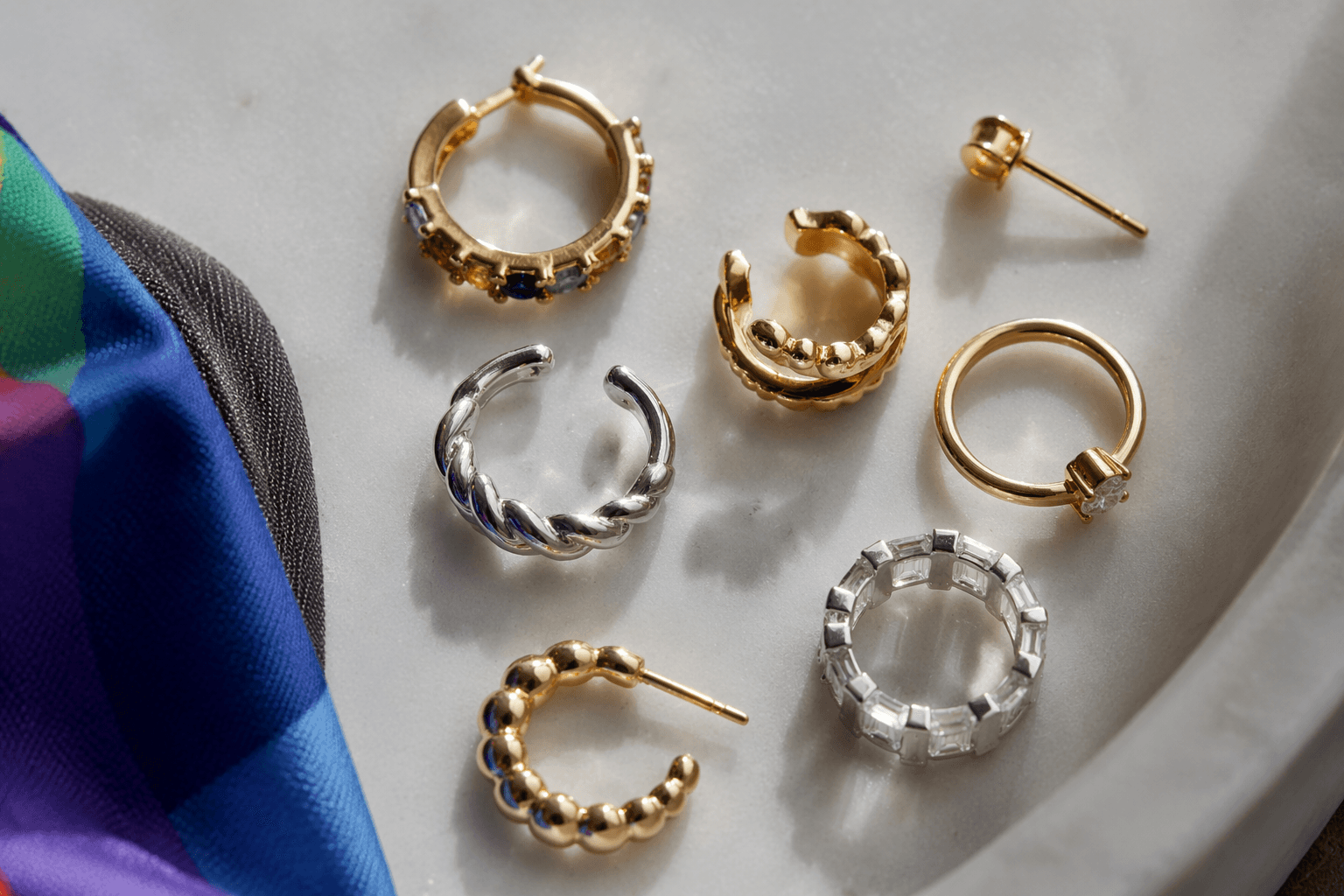
This is where the collection’s emotional language needs to be backed by material reality. Creativity and individuality are easy to claim, but the actual value sits in the format: pieces meant to be layered, repeated, and adjusted. For readers who are tired of seasonal rainbow branding, that is a meaningful distinction. The design logic says the wearer is not buying a slogan. The wearer is buying a system.
Banter has already shown it can use Pride for more than color alone. In 2022, the brand released the SayGAY nameplate necklace starting June 1 and through June 30, and donated $149 per necklace sold, up to $25,000, to the It Gets Better Project. That earlier campaign still stands out because the charitable piece was specific, measurable, and attached to a clearly identified product. It is a useful benchmark for judging Pride jewelry more broadly: the strongest efforts pair symbolism with a transparent action, not just a palette.
Rebel Nell turns a Pride mural into jewelry with a local story
Rebel Nell takes a different path, but it is equally grounded in material specificity. Its Pride collection includes rings, necklaces, bracelets, and money clips made from fragments of a Pride mural that lived in the brand’s studio. The company describes the collection as featuring vibrant layers of repurposed graffiti from that mural, with every color telling a story of struggle, triumph, and love.
That origin story is stronger than a vague “inspired by Pride” label because it starts with an actual physical source. The material is not just decorated to look meaningful, it is meaningful because it comes from a mural made for the brand’s own space. Rebel Nell says each piece is made with love and purpose, and the collection’s appeal lies in that exactness: a visible link between art, place, and object.
The lineup also includes practical formats, not just sentimental ones. The Stephen money clip shows how the brand extends the same Pride language into an accessory category that can be carried every day, not only worn on the body. That is an underrated part of the collection’s strength. A money clip or a bracelet can live in a daily routine, which gives the story more staying power than a decorative keepsake meant to sit untouched in a box.
Rebel Nell is a women-owned social enterprise based in Detroit, and its broader mission is to transform meaningful materials into one-of-a-kind jewelry while creating opportunity for women building brighter futures. That mission gives the collection a clear social frame, but the material story is what makes it credible. The pieces are not asking buyers to trust a vague promise of impact. They show the impact in the way they are made.

Pride in the jewelry industry is getting more public, and more specific
The month’s broader jewelry calendar adds another layer to the story. On June 11, the industry gathered at Luminary, the coworking space at 1204 Broadway in Manhattan, for Pride in the Industry: LGBTQ+ Voices in Jewelry. National Jeweler editor-in-chief Michelle Graff moderated the panel, which featured Greenwich St. Jewelers co-owner Jennifer Gandia, Only Natural Diamonds contributor Grant Mobley, designer Kris Averi, and former FIT jewelry-design chair Michael Coan.
Andrea Lucille Pooler created the event because LGBTQ+ voices in the trade deserve to be celebrated, amplified, and heard. That framing matters because it shifts Pride from a merchandising category to a professional and cultural one. Jewelry is not just selling symbolism here. It is also making room for the people who shape the industry’s design language, retail voice, and future audience.
What buyers are really being offered
Taken together, Banter’s Gaydar edit and Rebel Nell’s Pride collection point to the same market shift: Pride jewelry is becoming more convincing when it is built for actual wear. For Banter, that means stackables and ear-styling pieces that play well with a pierced ear and an existing collection. For Rebel Nell, it means turning mural fragments into rings, necklaces, bracelets, and money clips with a traceable source and a local mission.
The best Pride jewelry now does more than signal affiliation for one month. It offers a daily-use object with a clear story, a known material origin, and a purpose that can withstand close scrutiny. That is what makes these pieces worth noticing long after June ends.
This article was produced by Prism’s automated news system from verified source data, official records, and press releases, then run through automated quality and moderation checks before publishing. The system is built and supervised by the people who set the standards it runs under. Read our full AI policy.
Did this article answer your question?