Bridal jewelry turns personal, understated, and wearable beyond the wedding day
Bridal jewelry is moving toward pieces you can wear again and again, with diamonds, pearls, and blue stones chosen for style that lasts past the ceremony.
The new bridal brief is usefulness, not costume
The best wedding jewelry now does something many bridal pieces have failed to do for years: it earns a second life. Brides and couples are rewriting tradition and choosing details that reflect their own story, and that shift has pushed bridal jewelry away from predictable pearl-and-diamond formulas toward pieces that feel like part of a real wardrobe. The strongest choices are quiet, polished, and easy to repeat with a slip dress, a suit, a button-down, or a black-tie look long after the vows.
That matters because the money behind these decisions is serious. The U.S. jewelry market was estimated at about $73.32 billion in 2023, and the global jewelry market was estimated at $381.54 billion in 2025. In other words, bridal jewelry is not a small corner of fashion, it is a major slice of how people spend on personal style, which makes the difference between a one-day purchase and a lasting piece worth getting right.
Why the old wedding formulas still hold power
Pearls and blue stones keep returning because they carry more than decoration. The Knot has long framed the “something old, something new, something borrowed, something blue” tradition as one of the most recognizable wedding customs, and that endurance helps explain why sapphire, aquamarine, and blue topaz still feel relevant rather than dated. A small blue accent can satisfy the ritual without forcing the look into something overly literal.
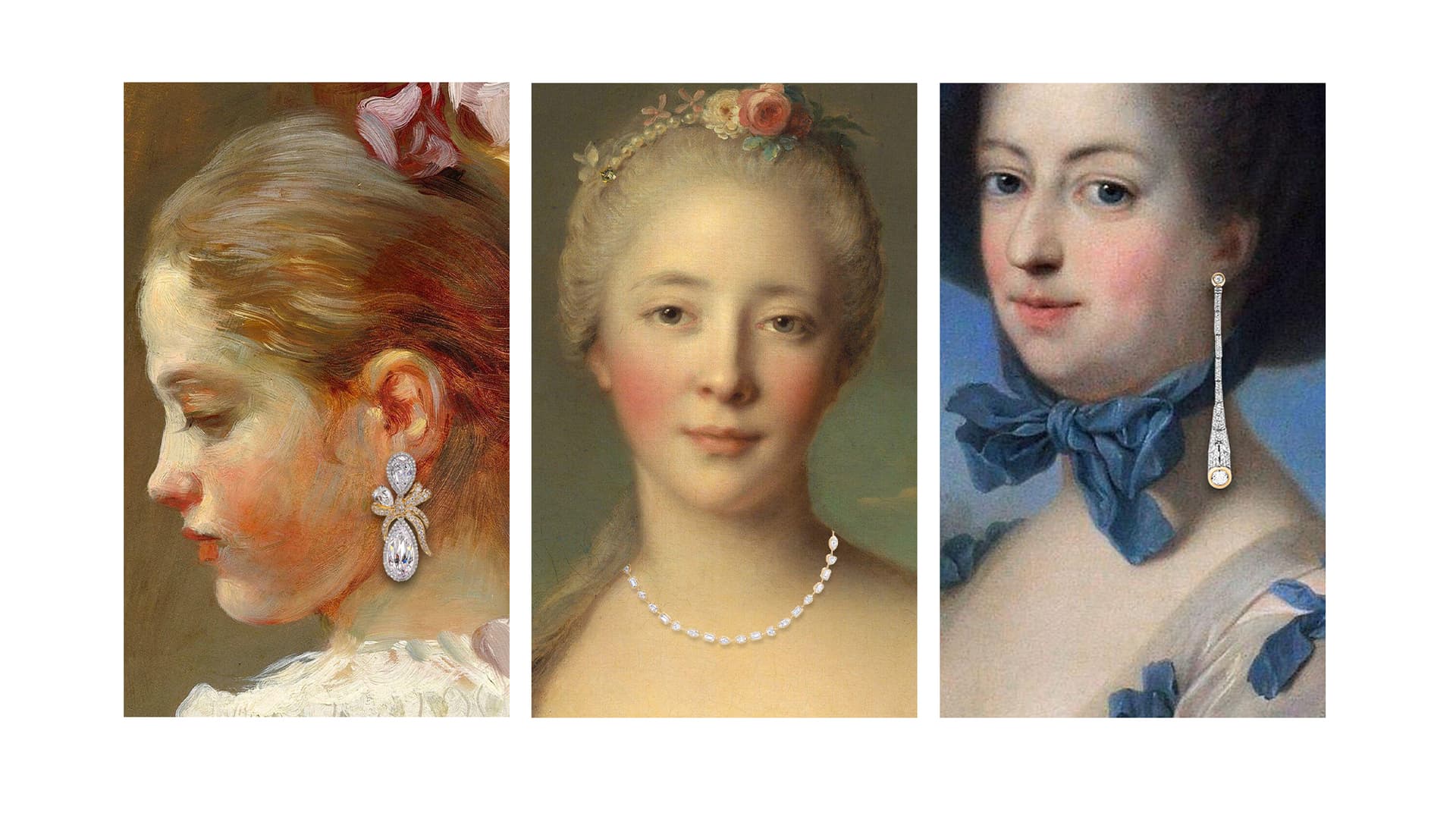
Pearls also remain compelling because they are layered with history and flexibility. GIA says pearls are among the best-loved gems of all time and come in a wide variety of colors, which makes them far more versatile than the single white strand stereotype suggests. PBS adds another piece of context: pearls were once the most expensive jewelry in the world. That history gives even a very restrained pearl stud or drop a sense of gravity, especially when paired with clean metalwork instead of ornate bridal detail.
What to buy if you want to wear it everywhere
The smartest bridal jewelry is the kind that does not announce itself as bridal from across the room. Annie Chen, writing for The Knot’s wedding jewelry coverage, points toward clean, classic styling built around diamonds with just a touch of pearl. That approach makes sense for women who want the ceremony look to survive the honeymoon, the office, and future dinner parties without looking stripped of meaning.
Earrings
Earrings are often the easiest place to start because they sit close to the face and photograph beautifully without demanding attention. Diamond studs, especially in a neat, low-profile setting, read as polished at a ceremony and practical on a normal Tuesday. If you want a little more softness, pearl studs or a small pearl drop can work, but the shape should stay restrained so they do not feel like a costume piece reserved for the aisle.
For a bride who wants color, a sapphire stud or a tiny aquamarine detail gives the “something blue” tradition a more wearable finish than a large decorative stone. The point is not novelty. It is control, scale, and a setting that will not fight with a blazer, a knit dress, or a high neckline later on.
Necklaces
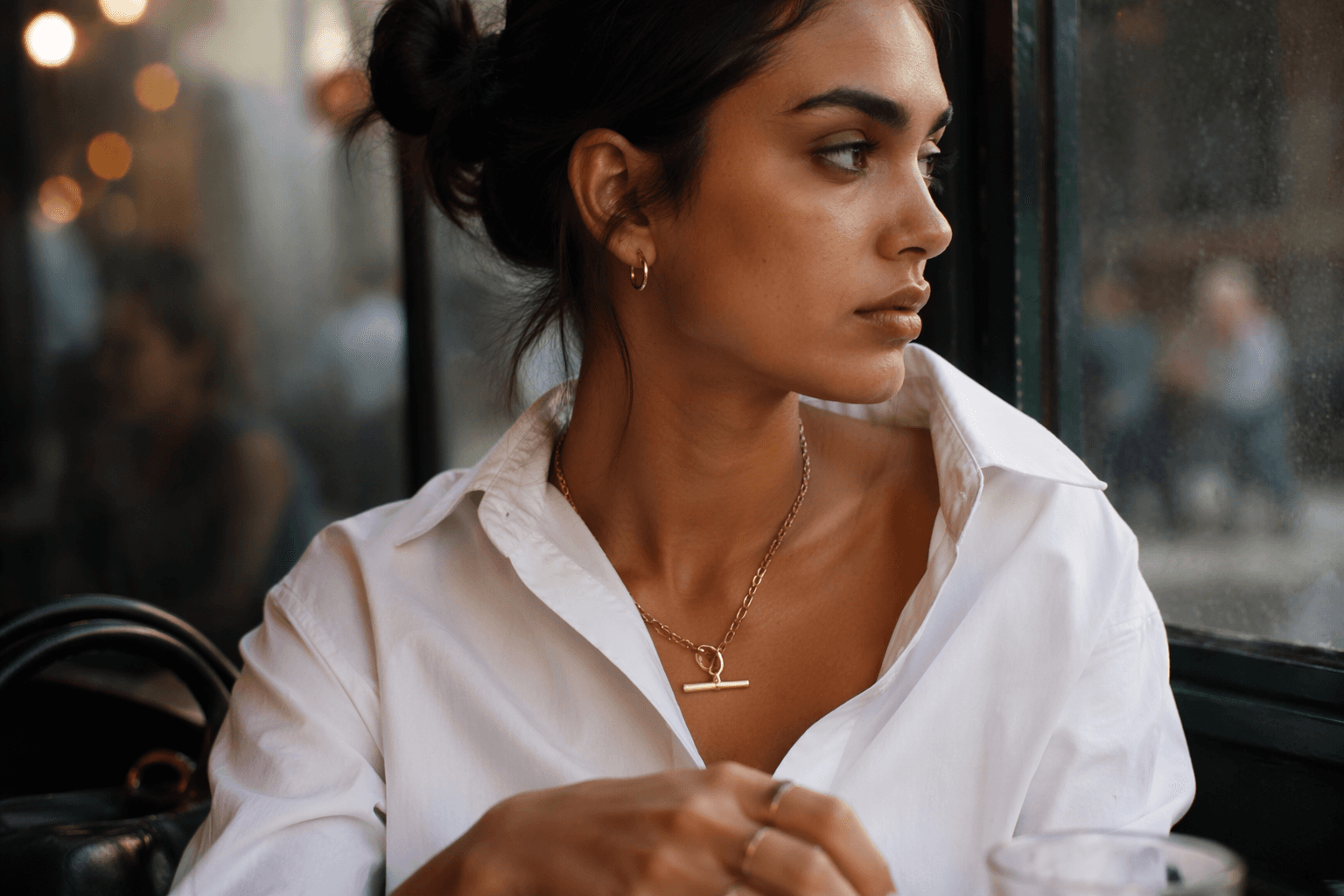
A necklace works best when it sits in the quiet space between ceremony jewelry and everyday chain. A slim gold chain, a small pendant, or a single diamond drop can layer easily and disappear into a work wardrobe after the wedding. The reason this category matters is simple: necklaces are visible enough to carry meaning, but understated enough to avoid looking locked to one dress.
Bridal jewelry trends from Stuller describe a market shaped by ever-evolving tastes and traditions, and that is exactly where a necklace should land. It should feel personal enough for the wedding photos, then ordinary enough to become part of your weekly rotation.
Bands and stackers
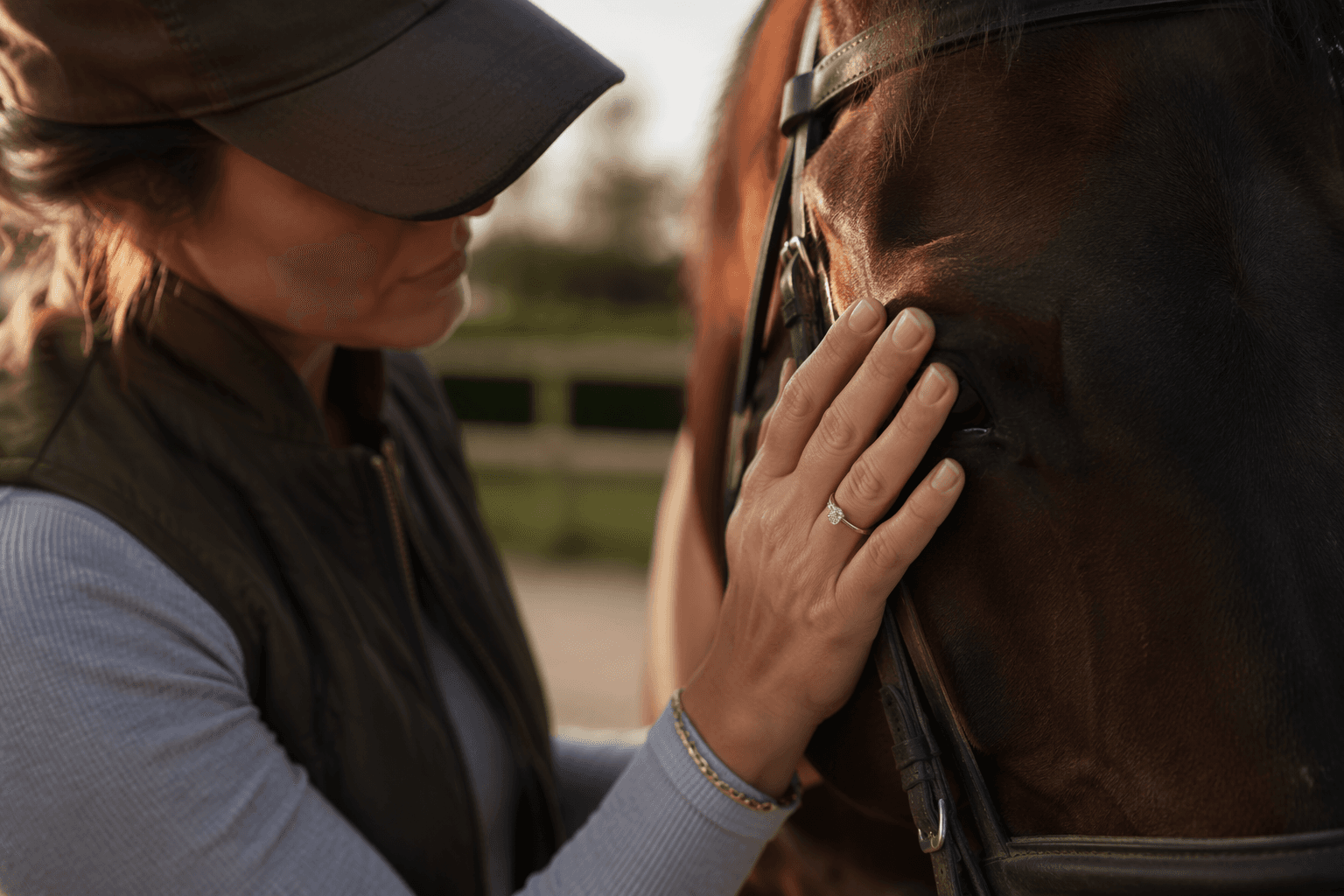
Bands should be chosen with the afterlife in mind. A slim gold band or a low-set diamond band is far more likely to move from ceremony to daily wear than a high-profile ring design that catches on gloves, sleeves, or bags. If you expect to wear it through handwashing, commuting, workouts, and travel, the silhouette should stay smooth and unobtrusive.
This is where the bridal mood described by Burrells makes the most sense. Its 2025 take on bridal jewelry emphasizes pieces that move beautifully from aisle to everyday, which is really a test of proportion and construction. If the ring feels too precious to wear with jeans, it is already failing the brief.
How to judge whether a piece has staying power
A good bridal piece should answer three questions before you buy it: will it match your actual clothes, will it tolerate real life, and will you still want it after the wedding photographs are done? That means looking for sturdy construction, clean lines, and materials you already wear comfortably. If your daily jewelry is mostly yellow gold, a bridal set in the same metal will likely integrate better than something chosen only because it looks bridal.
It also helps to think about maintenance honestly. A piece that cannot handle humidity, skin contact, handwashing, or the occasional gym session is not designed for the kind of life most people actually live. The best bridal jewelry is not delicate in the precious sense alone; it is durable in the emotional sense too, because it can stay in the drawer with the pieces you reach for automatically.
The signal to avoid one-day-only buying
The most obvious warning sign is excessive ornament. If a necklace, earring, or band looks perfect only with a specific gown and nowhere else, it is probably a wedding prop rather than a wardrobe piece. Another red flag is vague branding that promises versatility but offers little detail about metal quality, stone type, or construction.
A better standard is simple: choose jewelry that feels like an extension of your own style, not a performance of bridal tradition. That is the real evolution happening now. Bridal jewelry is becoming more personal, less rigid, and more useful, with classic diamonds, subtle pearls, and blue stones carrying the ceremony without being trapped by it.
This article was produced by Prism’s automated news system from verified source data, official records, and press releases, then run through automated quality and moderation checks before publishing. The system is built and supervised by the people who set the standards it runs under. Read our full AI policy.
Did this article answer your question?