How to Build a Timeless Fine-Jewelry Wardrobe You’ll Wear Daily
Nearly half of jewelry shoppers buy gifts, but the best first pieces are the ones you can wear every day.
Start with the pieces that do the most work
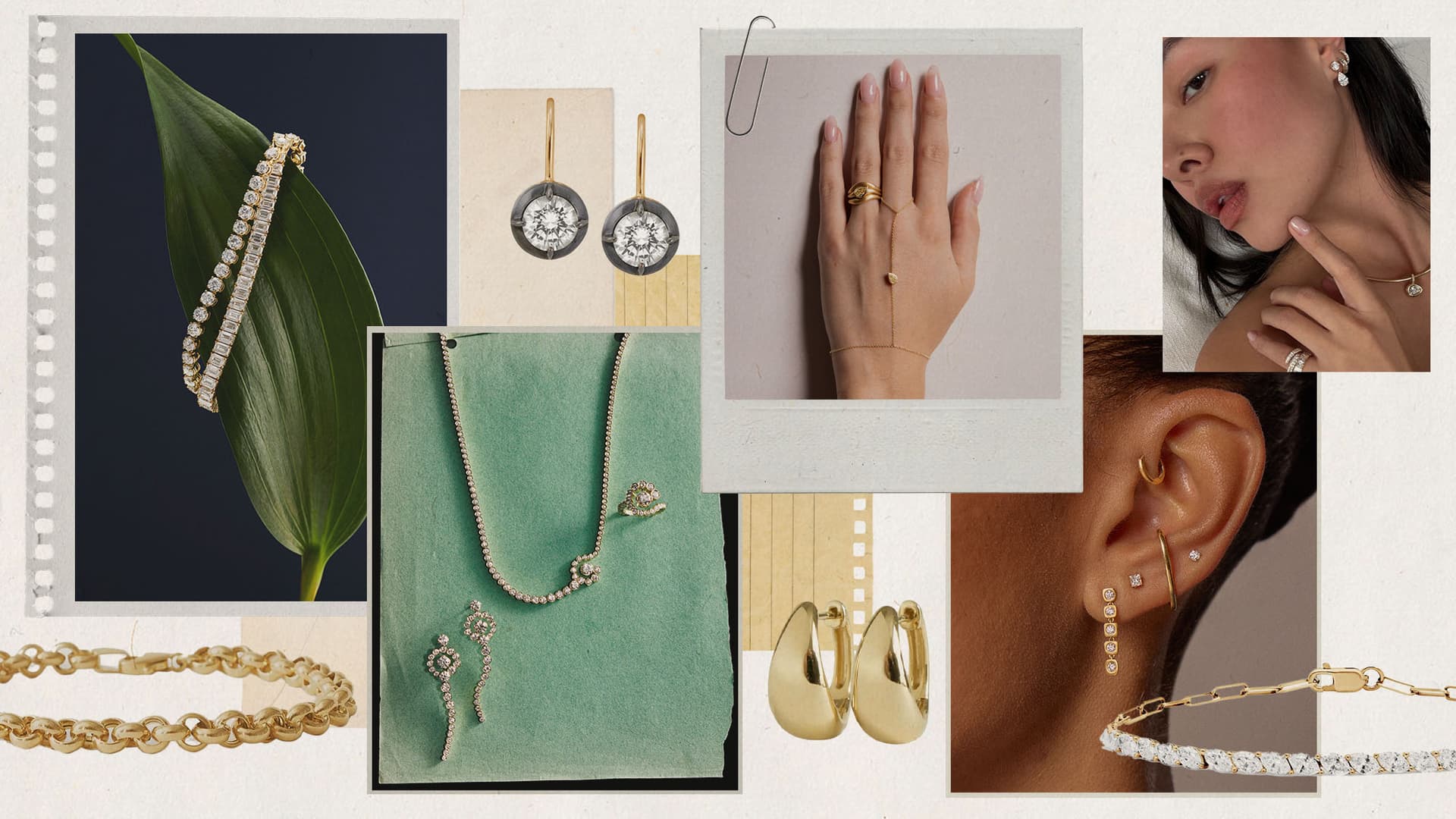
A fine-jewelry wardrobe should feel lived in, not locked away. That is why the smartest starting point is the one laid out in a Who What Wear guide to lasting collections: a tennis bracelet, diamond studs, classic gold hoops, an elegant pendant, vintage pinky rings, stacked bands, and a comfortable chain. These are the pieces that can move from a workday to dinner to a gift box without losing their purpose, which matters in a market Mintel says was expected to grow 4.5% in the United States in 2024. Nearly half of shoppers, 49%, buy jewelry as gifts, while 39% treat themselves, a reminder that the best daily pieces have to carry both emotional and practical weight.
Build the core in the order you will actually wear it
If you are starting from scratch, begin with the necklace that disappears into your life. A comfortable chain is the most useful first purchase because it sits easily against skin, layers under a sweater, and gives you something to wear on its own when you want polish without effort. Next come diamond studs, which do the most with the least surface area: they sit close to the ear, catch light cleanly, and never fight with collars, scarves, or a strong lip.
Classic gold hoops are the third essential because they frame the face without demanding attention. Keep the scale moderate and the profile smooth, and they become the kind of piece you can wear on repeat without thinking about them. Only after that should you add an elegant pendant, the small punctuation mark that gives the wardrobe a focal point. A pendant can be discreet in a bezel setting, which protects the stone and keeps the look crisp, or a little more luminous in prongs, which let more light into the gem. Either way, it adds movement to a lineup that might otherwise feel too quiet.
Add the hand pieces last, where personality shows
Once the necklace, earrings, and hoops are in place, turn to the hand. Stacked bands bring structure to a collection because they can be worn singly on a plain day or layered when you want more texture. A vintage pinky ring adds a sharper note, especially if you like jewelry that feels a little more editorial than purely minimal. On the most practical level, rings are where style becomes habit: they are the pieces you see every time you reach for a coffee cup, open a notebook, or wash your hands, so the proportions need to feel right from the start.
The tennis bracelet can come in as the quiet luxurist’s finishing move. It gives continuous sparkle without changing the silhouette of an outfit, which is why it has endured as a wardrobe piece rather than a special-occasion relic. Worn daily, it reads as ease more than excess, especially when the line of stones is fluid and the clasp feels secure enough to disappear into the wrist.
Choose construction that can survive real life
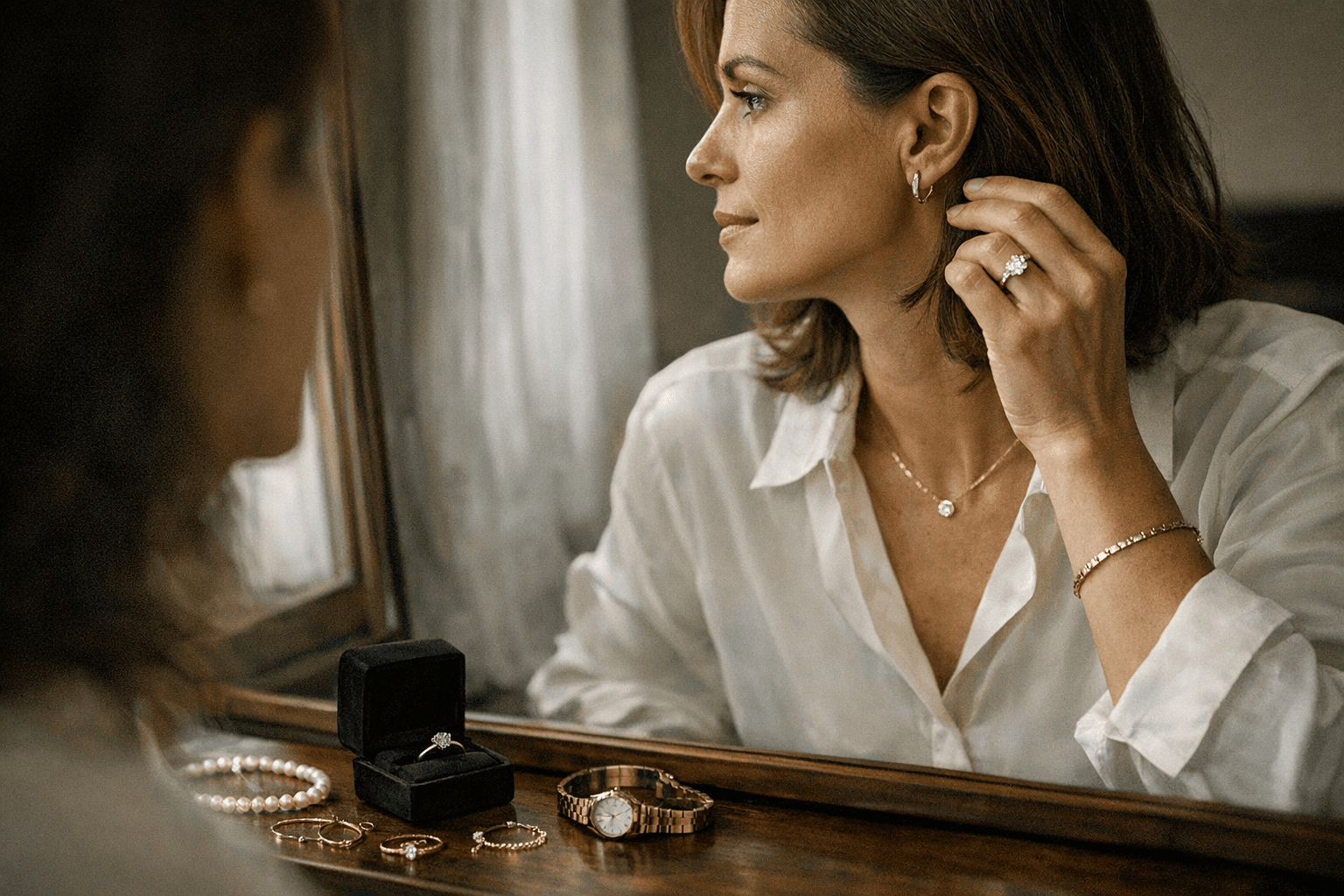
The difference between jewelry you admire and jewelry you actually wear is often the setting, the metal, and the fit. Pieces meant for daily wear should sit close to the body, avoid sharp edges, and feel comfortable against skin during long hours, humid weather, handwashing, and the ordinary friction of life. Solid gold has a clear advantage here because it holds up better to repetition than fragile surface treatments, and it tends to age with more grace than trend-driven fashion jewelry.
That is where the most successful brands in this space have found their lane. Kinn Studio, founded in 2017, builds its identity around heirloom-like solid-gold jewelry intended to be worn every day, with an emphasis on timeless design, ethical production, and accessibility. Blue Nile, founded in 1999, made its name as the original online jeweler with a technology-first, more transparent approach to diamond and engagement-ring shopping. Sophie Bille Brahe, founded in 2011 in Copenhagen by a designer trained as a goldsmith and at the Royal College of Art in London, brings a more sculptural sensibility, but the same underlying premise: jewelry should feel collected over time, not swapped out every season.
Make the wardrobe personal, not crowded
The most useful fine-jewelry wardrobe is built on rhythm. One quiet piece, one light-catching piece, and one item with a little more personality are usually enough to cover the week, whether you are dressing for an office morning, a weekend brunch, or a last-minute dinner. That is why the foundational pieces named by Who What Wear work so well together: chain, studs, hoops, pendant, stacked bands, pinky ring, and tennis bracelet each solve a different problem, yet none of them feels disposable.
Jewelry has always been one of the easiest ways to make a day feel considered. In a category that Mintel says continues to expand, the pieces worth buying first are the ones that earn their place through repetition, not novelty. When a chain, a pair of studs, or a bracelet can live on your body instead of in a box, that is when a collection starts to feel like your own.
This article was produced by Prism’s automated news system from verified source data, official records, and press releases, then run through automated quality and moderation checks before publishing. The system is built and supervised by the people who set the standards it runs under. Read our full AI policy.
Did this article answer your question?