Classic everyday jewelry pieces shine in StyleCaster stylist roundup
StyleCaster’s roundup makes a practical case for the pieces that work hardest: pendants, studs, huggies, slim bracelets, and rings built for repeat wear.

The best everyday jewelry earns its place by disappearing into the routine and still looking polished at dinner. In StyleCaster’s stylist-approved roundup, celebrity stylist Samantha Brown puts the core wardrobe in plain terms: “Some of the most classic pieces that people wear daily are simple pendants, stud earrings, smaller chain bracelets, and engagement/wedding rings.” Add huggies to that list, and the whole argument becomes clear: the pieces worth buying are the ones that can layer, linger, and keep their shape in heavy rotation.
The pieces that do the most work
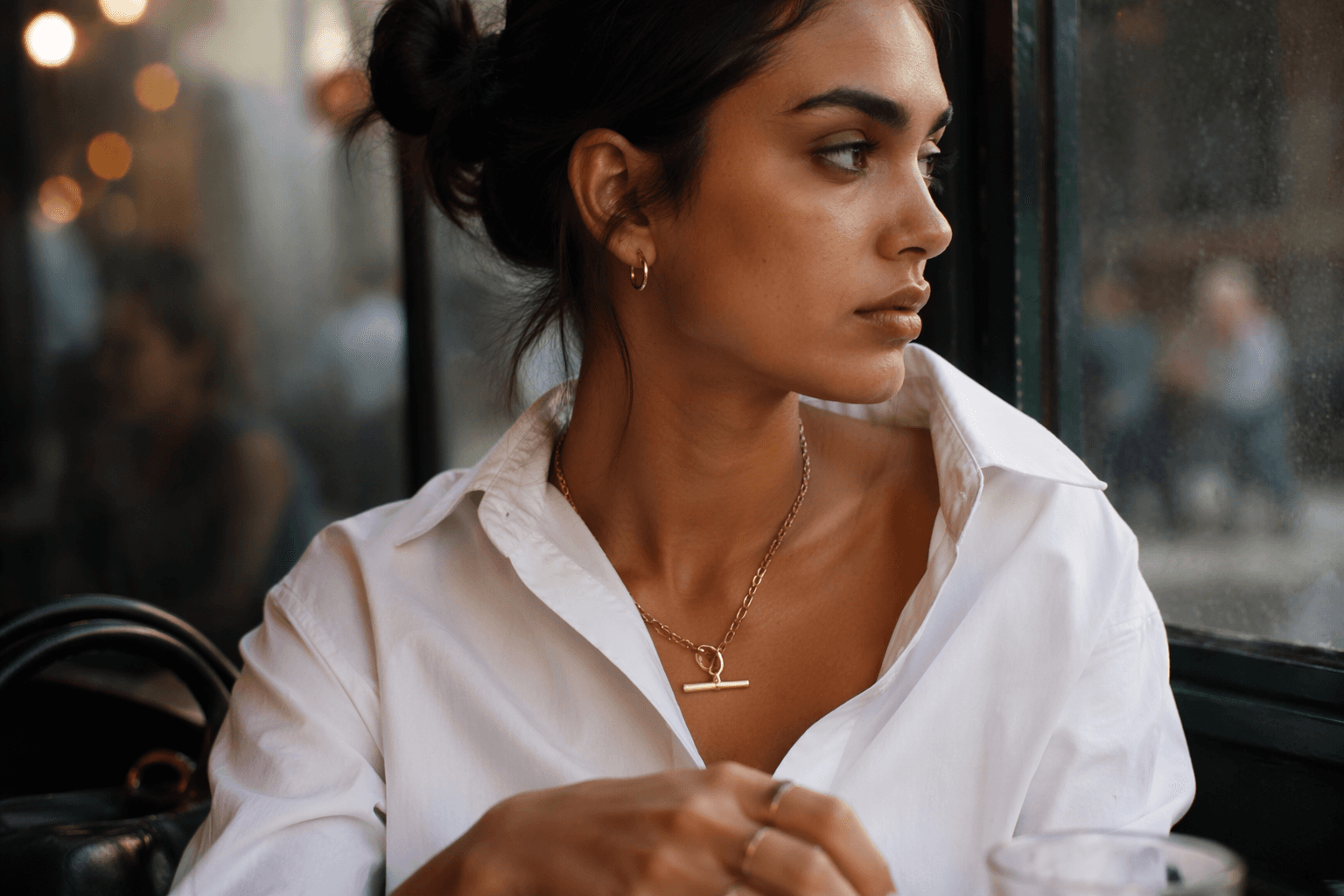
Simple pendants are the easiest gateway into a daily jewelry rotation because they sit close to the body without feeling fussy. They are the kind of piece that can frame a T-shirt, sit neatly over knitwear, or disappear under a blazer, which makes them especially useful if you want one necklace to carry weekday and weekend looks. A pendant also gives you a natural place to add meaning through a stone, a charm, or an engraving without turning the whole look loud.
Stud earrings are the low-maintenance anchor of the category. They stay put, they do not snag, and they move easily from office hours to errands to evening plans, which is why they make sense for anyone who wants jewelry that does not need constant adjustment. If you are sensitive to metal or simply do not want to think about your earrings all day, studs in solid gold or recycled gold are the safest place to start because the design is simple and the wear is easy.
Huggies sit in the same practical lane, but with more presence than a classic stud. Their close-to-the-ear fit makes them a smart choice for active schedules, hair tucked behind the ears, or anyone who likes jewelry that reads polished without feeling precious. They are also one of the easiest ways to keep a daily look current without chasing a trend, since the silhouette is clean enough to layer with other ear pieces when you want more volume.
Smaller chain bracelets are the wrist version of that same logic. They work best when the links are refined and the clasp is secure, because the point is not to dominate the outfit but to stay visible through typing, coffee runs, and everything else the day demands. For people who prefer jewelry that can live with a watch or sit beside a cuff, the smaller chain bracelet is one of the most useful investments in the daily rotation.
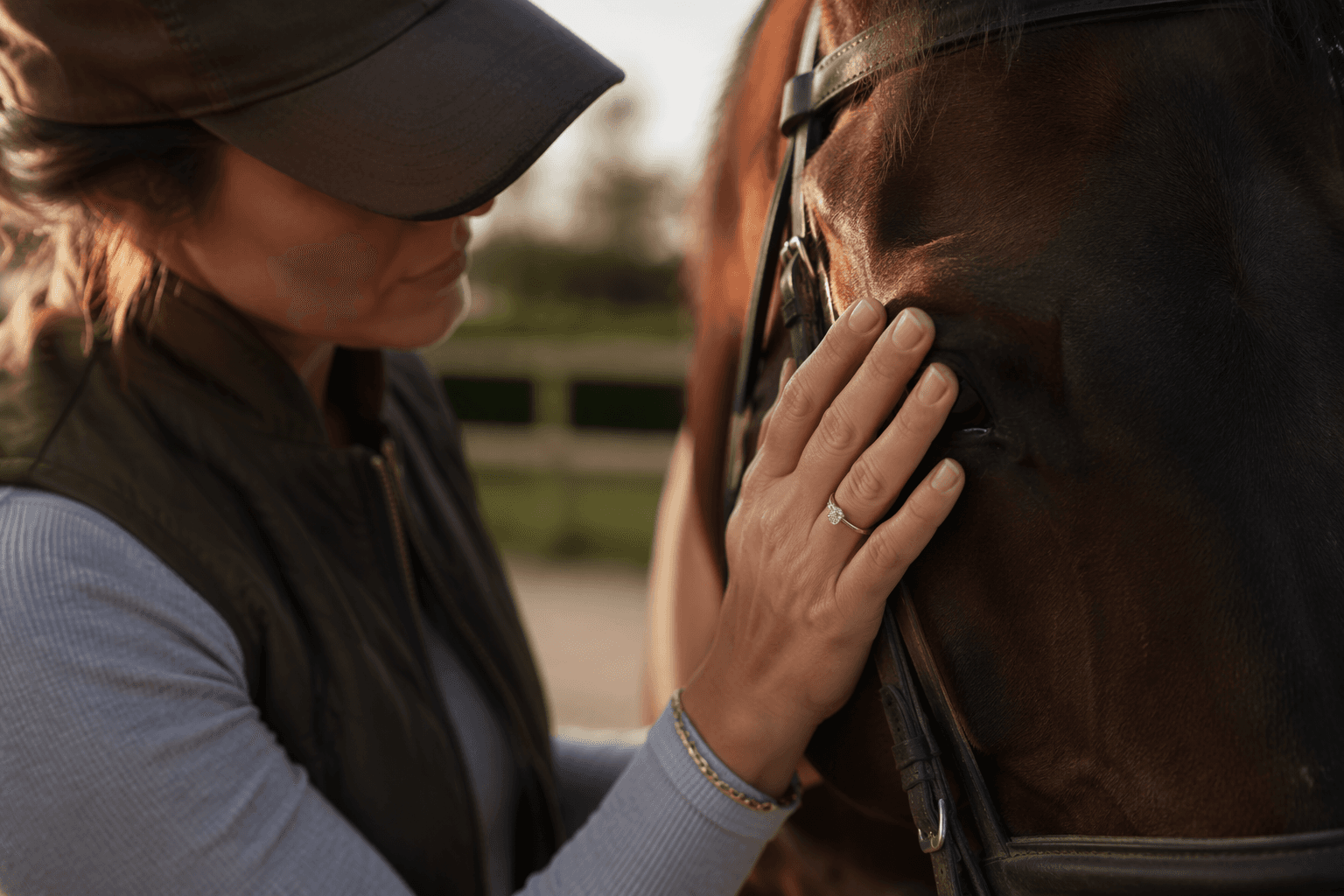
Rings, especially engagement and wedding rings, are the most literal proof that jewelry can become part of the body’s routine. They are always visible, always in the mix, and they often become the piece people notice least and wear most. That is why rings matter in an everyday guide: they do not need to announce themselves to earn their keep.
Why 2026 still rewards the quiet staples
StyleCaster’s trend coverage says accessories are a major style moment heading into 2026, and many 2025 looks are carrying over, including personalized jewelry, zodiac pieces, vintage-inspired designs, bold jewelry, charms, beaded necklaces, and chunky bangles and cuffs. The important shift is not that everyday jewelry is becoming louder, but that it is becoming a better base layer for personality. A simple pendant or pair of studs gives those more expressive pieces room to breathe.
Stylist Kam Throckmorton captures the mood neatly when she says accessories have “main character energy” right now. Her advice points toward jewelry that tells a story, including heirlooms, estate-sale finds, engraving, and charms, and that approach works especially well when the foundation pieces are understated. A daily chain or ring does not compete with a story-driven charm; it makes the charm look deliberate.
The market is pushing buyers toward value per wear
The broader jewelry market explains why this category is getting so much attention. The U.S. jewelry market grew 5% in 2024 to $85.4 billion, yet affluent consumers are pulling back on jewelry purchases in 2025, and the category is clearly splitting between brands that are still growing and those feeling pressure from a promotional environment. Signet Jewelers reported holiday same-store sales down 2%, while Richemont’s jewelry brand revenues rose 14%.
That split makes everyday jewelry a smarter buy than a novelty buy. When shoppers are more selective, cost-per-wear matters, and the pieces that justify themselves are the ones that work with multiple outfits, survive repeat styling, and do not require a special occasion to leave the box. McKinsey’s view of a more complex luxury landscape, with macro headwinds and a weaker value proposition, only sharpens that case.
Which brands make the strongest everyday argument
Mejuri’s “new luxury” positioning lands because it treats daily jewelry like part of the wardrobe rather than a special-occasion afterthought. Its Everyday Jewelry collection is built around effortless style, daily wear, and layering, which makes it a strong fit if you want pieces that can move from a white shirt to a slip dress without changing the mood. The appeal is not hype; it is utility with a modern finish.
Catbird has a different kind of credibility, and it comes from material honesty. The brand says it has pioneered the idea of fine jewelry worn every day since 2004, and it makes more than 95% recycled solid gold and recycled diamonds in Brooklyn. That is the kind of sourcing language that matters if provenance is part of your buying decision, because it offers specifics instead of a vague sustainability gesture.
VRAI is even more explicit about how its pieces are made. The brand says its lab-created diamonds come from a zero-emission foundry in the Pacific Northwest powered by 100% hydropower, and its recycled solid gold is meant not to tarnish or fade with everyday wear. For buyers who care about durability and a cleaner materials story, that is a stronger pitch than decorative branding, because it names both the process and the material.
Gorjana speaks more directly to styling than to sourcing, and that has its own place in this category. The brand says its jewelry is designed to layer, and its large Everyday Jewelry assortment includes huggies, chains, cuffs, and birthstone styles. That breadth makes it a useful option for anyone building a daily stack quickly, though its messaging is more about look and versatility than provenance.
Blue Nile and Quince sit in the more accessible part of the roundup, which matters because not every daily piece needs to come with a grand narrative. They are useful starting points when the goal is a dependable pendant, chain, or pair of studs that can go into regular rotation without overcommitting the budget. Their value lies in reach and practicality, not in a richly detailed materials story.
The everyday test that actually matters
The best everyday jewelry is not the loudest piece in the tray. It is the one that works across outfits, feels comfortable enough to keep on, and has enough material integrity or design clarity to justify constant wear. That is why the most persuasive pieces in this roundup are the ones that combine simple forms, repeat styling value, and, when the brand is serious, a transparent story about what the piece is made from and how it is made.
This article was produced by Prism’s automated news system from verified source data, official records, and press releases, then run through automated quality and moderation checks before publishing. The system is built and supervised by the people who set the standards it runs under. Read our full AI policy.
Did this article answer your question?