Couture 2026 jewelry favors color, storytelling and convertible designs
Couture 2026 rewarded jewels that do more than sparkle: color, hidden mechanics and storytelling now matter most when they also add wearability.

At Wynn Las Vegas, Couture 2026 made one thing plain: the most compelling jewelry was not the loudest, but the most considered. Across roughly 350 exhibitors, the strongest buying energy clustered around pieces that felt personal, expressive and engineered for real use, from colored gemstones and symbolic motifs to hidden mechanisms and convertible designs.
Color with staying power
Color was everywhere, but the valuable kind of color was never random. Opals, tourmalines, multicolored gemstone compositions and opaque stones gave the fair its visual charge, yet the best examples were anchored by craftsmanship and point of view, not just saturation. That distinction matters for the buyer who wants a piece to feel fresh now and still make sense later, because color becomes collectible when it reads as an artistic decision rather than a seasonal mood.
The most persuasive colored jewels at Couture were the ones that looked intentionally composed, with stones chosen for contrast, balance and character. A ring or necklace built around a vivid center stone may catch the eye first, but multistone palettes and opaque materials can hold interest longer when the setting is disciplined and the proportions are exact. In that sense, color at Couture was less about decoration than about signature.
Storytelling gives jewelry its lasting charge
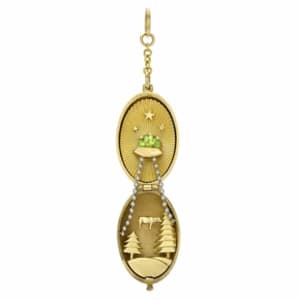
If color brought the glamour, storytelling brought the memory. Buyers repeatedly returned to lucky charms, talismans, engravings, hidden messages and symbolic motifs, along with whimsical touches and a revived interest in vintage cues. Alexandra Lippin of Elyse Walker called the fair “incredibly expressive,” and that word fits the best jewels here: they were designed to say something, not merely to be seen.
Matthew Rosenheim of Tiny Jewel Box put it more directly, noting that emotions drive jewelry purchases and pointing to engravings, hidden messages and symbolic motifs. That is where collectible potential often begins. A jewel with a private inscription, a meaningful icon or a recognizable house motif can deepen in value because it carries narrative weight, while generic novelty tends to fade as soon as the season changes.
The market’s appetite for meaning also explains why playful motifs did not feel childish on this floor. When whimsy is handled with enough discipline, it becomes part of a designer’s language rather than a gimmick. The pieces that endure are usually the ones with a specific symbol, a clear reference point or a personal backstory that can be repeated, recognized and built into a larger collection.
Convertible construction is the smartest luxury
Among all the Couture ideas, convertible design may be the most buyer-friendly. Hidden mechanisms and kinetic construction turn jewelry into something more than an occasion object, because a necklace that changes length, a pendant that detaches or a jewel that can be worn several ways stretches its usefulness without sacrificing polish. In a market where shoppers are more selective, that kind of flexibility is not a bonus. It is value.
Jordan Wilson of Material Good said designers were stepping outside their core collections while staying true to their brands, and that is exactly where convertibility becomes interesting. The best examples do not feel engineered for the sake of a trick; they feel like a natural extension of the designer’s vocabulary. A jewel that can move from one setting to another, or from dressy to everyday, earns its place in a wardrobe because it does more work per wear.
That is also why hidden details matter so much. A clasp that disappears into the design, a reversible form or a discreet mechanism can make a jewel feel like a small feat of engineering, which is often what separates a one-off showpiece from a future heirloom. In a Couture season defined by differentiation, convertibility may be the clearest sign that high jewelry is becoming more lived-in, not less luxurious.
The market is polarizing, not soft
The buying picture beneath the glamour was just as important. Alysa Teichman of Ylang 23 described a K-shaped consumer, with strength at both the high and entry ends of the market and softer demand in the middle. That pattern was visible in the product mix retailers favored: important diamonds, substantial gold jewelry and exceptional colored gemstones at the top end, alongside accessible entry points and mixed-media or alternative-material pieces that invite newer buyers in.
Teichman also said the $5,000 to $10,000 retail sweet spot felt less prominent this year, and that is a telling shift for anyone building a serious jewelry wardrobe. Buyers are becoming more intentional, which means the middle can no longer rely on vague aspiration alone. Pieces now need either unmistakable luxury, clear everyday utility or a strong emotional hook.
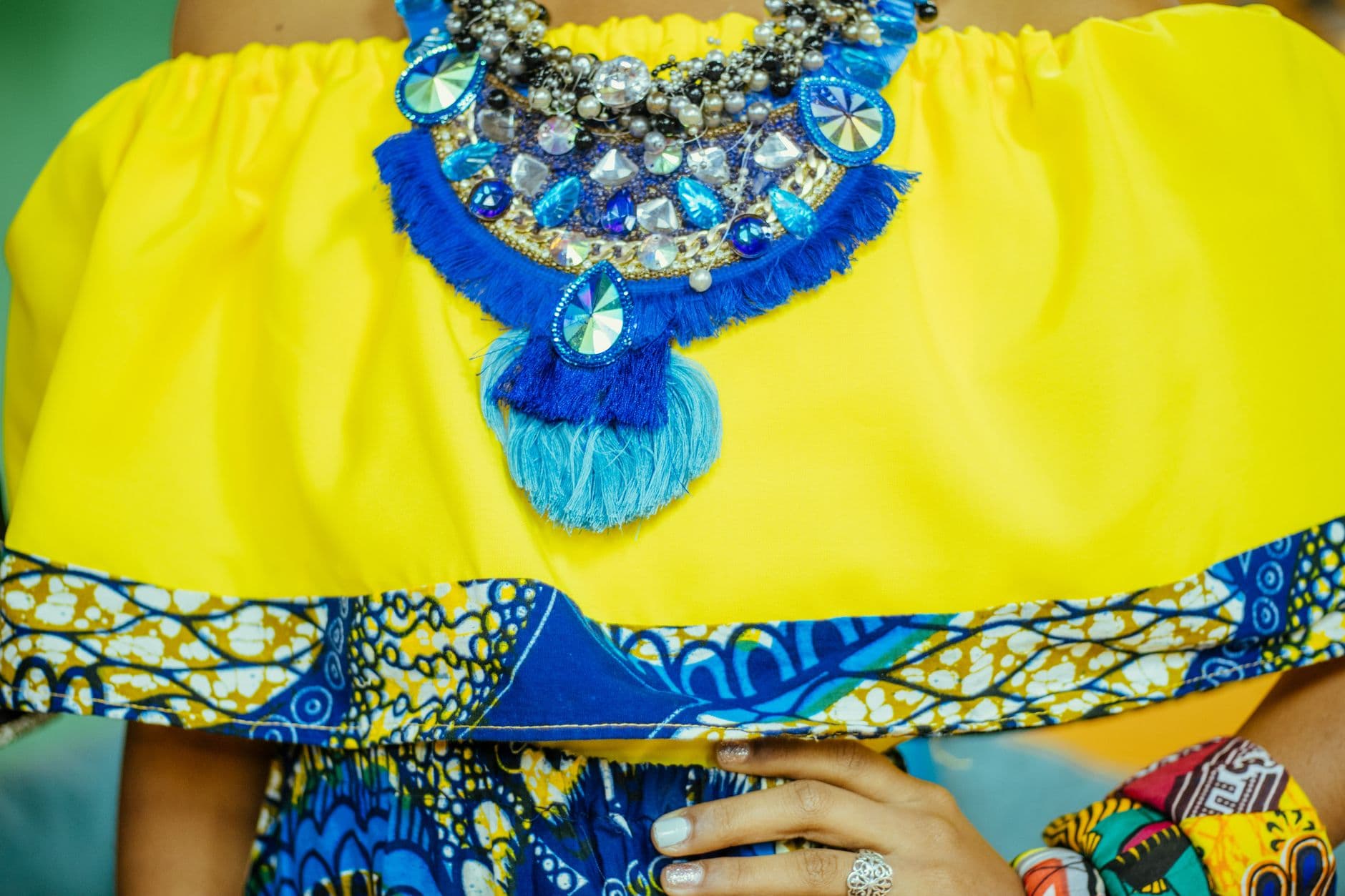
Alternative materials helped widen the conversation. Leather cords, shells and organic elements gave the fair a less formal register, while still serving the same deeper instinct: jewelry should feel singular. That matters because not every collectible purchase has to be precious in the traditional sense, but it does have to feel thought through.
Why Couture still sets the tone
Couture’s scale and selectivity give these trends real weight. The show ran May 27 to 31, 2026, and its roughly 350 exhibitors came from the United States and around the world, with the addition of a partnership with Geneva-based Time to Watches that brought 18 watch brands into the mix. The Couture Design Awards, held at the Encore Theater, added another layer of signal, with 12 judged categories plus Editors’ Choice and People’s Choice honors.
That broader stage matters because Couture has spent more than 25 years evolving into a premier gathering for independent designers and international brands alike. This year’s takeaway was not that jewelry should be louder, but that it should be smarter: more personal, more adaptable and more specific in its point of view. In a market this selective, the pieces most likely to hold value are the ones that combine artistry with daily relevance, and Couture 2026 made that hierarchy impossible to miss.
This article was produced by Prism’s automated news system from verified source data, official records, and press releases, then run through automated quality and moderation checks before publishing. The system is built and supervised by the people who set the standards it runs under. Read our full AI policy.
Did this article answer your question?