Gen Z, doom spending and lab-grown diamonds shape 2026 jewelry demand
Jewelry shoppers are buying for comfort, value and self-expression. Lab-grown stones, nostalgia and Gen Z’s distrust of old luxury cues are redefining the everyday piece.
The new jewelry shopper is buying reassurance
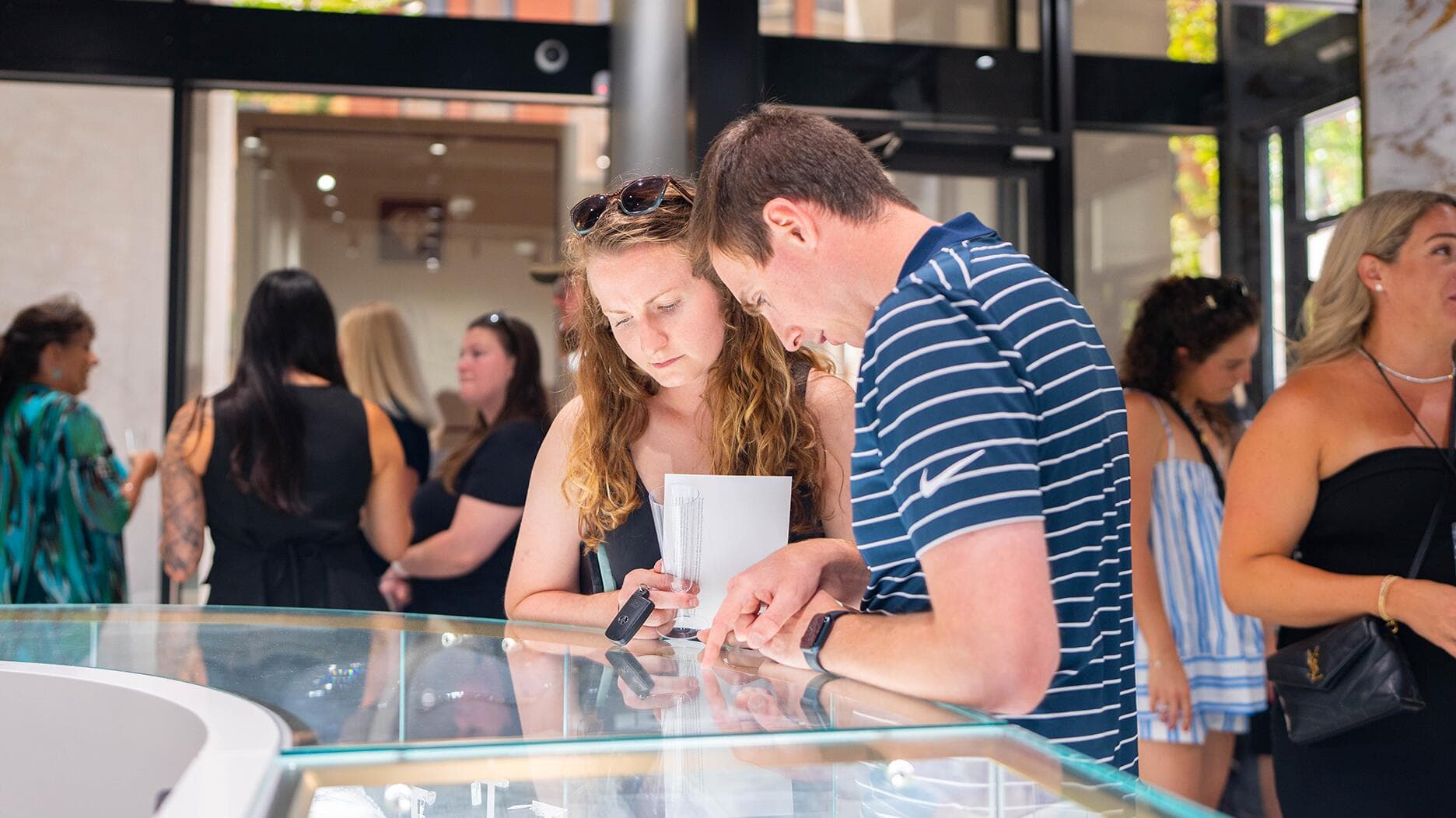
Jewelry is no longer just a splurge category. It has become a mood barometer, shaped by financial anxiety, nostalgia and the urge to buy something that feels good now, even if the wider economy feels unsettled. National Jeweler’s retail roundup makes that plain: the shoppers retailers are chasing in 2026 are weighing value more carefully, responding to “doom spending,” and looking for pieces that carry emotional meaning as much as visual polish.
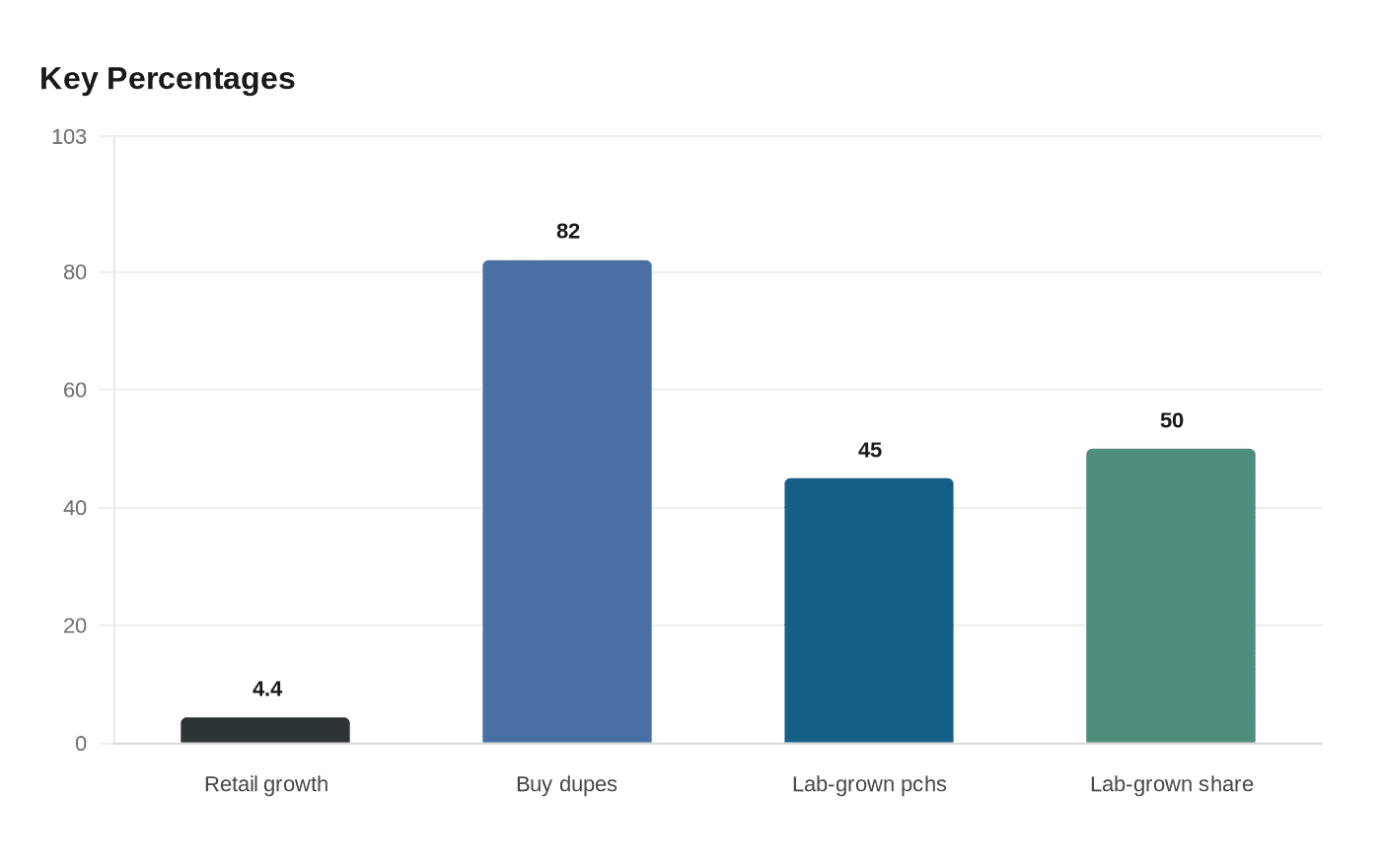
That pressure sits inside a surprisingly resilient retail forecast. The National Retail Federation projected that U.S. retail sales will rise 4.4% over 2025 to $5.6 trillion, even as it acknowledged geopolitical complications and economic turbulence. Its sixth annual State of Retail & the Consumer event, held on March 18, 2026, centered the consumer as the force still driving growth, which helps explain why jewelry stores are leaning into smaller indulgences instead of waiting for the big-ticket occasion to return.
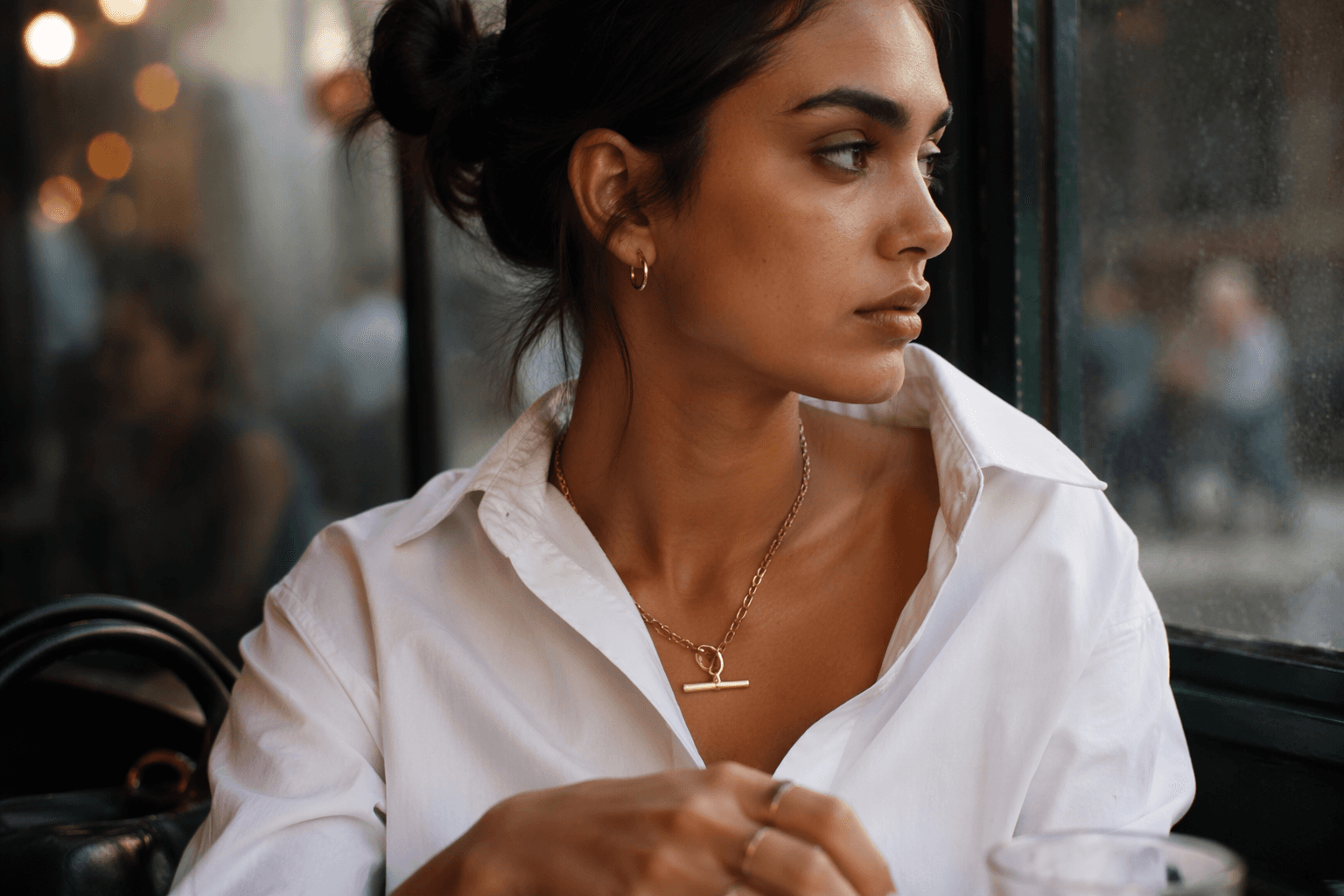
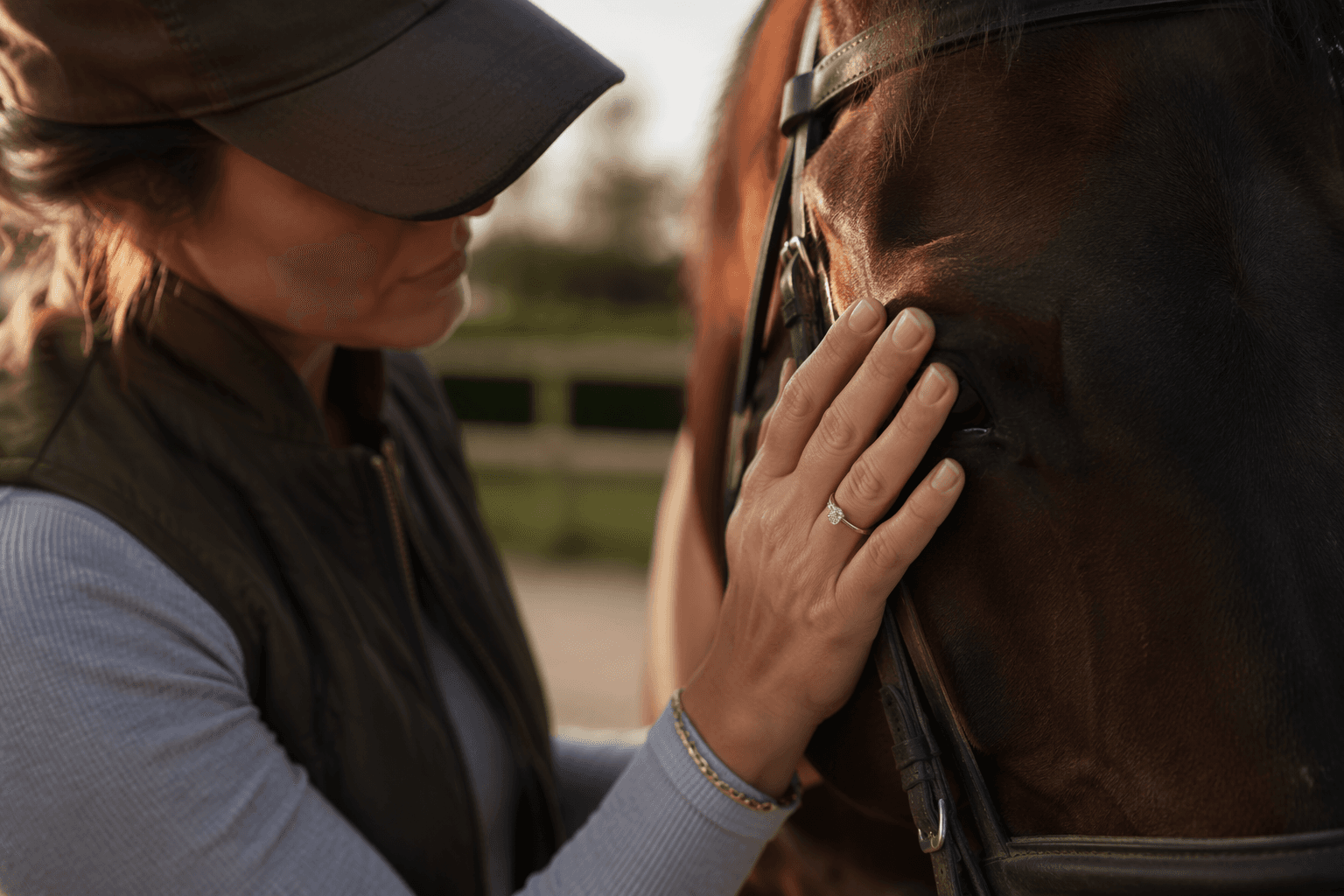
For jewelry, the implication is simple but powerful: the sell is no longer only about occasion dressing. It is about everyday emotional utility, the ring bought after a hard month, the pendant chosen because it feels personal, the diamond studs that read as a treat without demanding apology. In a year of uncertainty, shoppers are looking for pieces that can carry meaning on an ordinary Tuesday.
Gen Z is redefining luxury on its own terms
Gen Z is pushing that shift further, because this cohort does not approach luxury the way previous generations did. National Jeweler highlighted how financial instability has changed the way younger shoppers see luxury, and how their relationship to nostalgia is different too. For this buyer, nostalgia is less about heirloom formality and more about a sense of identity, a piece that feels familiar, collectible or emotionally legible.
The numbers explain why brands are listening. PwC said in October 2025 that Gen Z is expected to command $12 trillion in spending power by 2030. The same research found that 82% planned to buy dupes during the 2025 holiday season, a striking signal that value consciousness is not a temporary mood but part of the generation’s shopping code. Gen Z is willing to spend, but it expects more in return: clarity, authenticity, and a story that feels current enough to share.
That is where jewelry storytelling changes. A piece needs to work on the hand, at the neckline or on the ear, but it also has to fit a social media language that prizes self-definition. TikTok-savvy storytelling is not a marketing garnish anymore. It is how younger customers learn whether a brand feels transparent, whether a piece can live in their rotation, and whether a purchase says something useful about who they are.
Why lab-grown diamonds keep gaining ground
Lab-grown diamonds sit right at the center of that value conversation. De Beers said in a late-2024 update that consumer awareness of the low production cost and relative abundance of lab-grown diamonds was expected to weaken retailer incentives tied to them and reinforce lab-grown as a different product. That distinction matters. The category is not disappearing; it is being recast as a clearer value proposition, one that aligns with buyers who want visible impact without old assumptions about rarity.
The market data backs that up. BriteCo said in August 2025 that more than 45% of U.S. engagement ring purchases were for lab-grown diamonds, and another industry writeup said the category had crossed 50% of engagement ring market share in 2025. That is a dramatic shift for a category that once lived at the margins of bridal conversation. It also tells you where the emotional center of the market has moved: toward size, brightness and accessibility, rather than provenance as a proxy for status.
De Beers’ 2025 production report adds another layer. It said U.S. consumer demand for diamond jewelry over the year-end holiday season was in line with expectations, but rough diamond demand remained subdued because the midstream was cautious about restocking amid excess loose polished inventory. In other words, the consumer was still buying, but the supply chain was more cautious than the showcase. That split matters for everyday jewelry because it encourages a more measured mix on the floor, with attention on pieces that can move quickly and feel instantly wearable.
What this means for the pieces people actually wear
The everyday jewelry shopper is becoming more selective, not less enthusiastic. Financial stress tends to shrink the basket, but it also sharpens taste. Instead of chasing maximalist looks, many buyers are turning toward smaller, more personal purchases that still register as a treat: a single diamond ring instead of a full bridal set, a modest necklace with a sentimental point of view, or lab-grown studs that offer size and sparkle at a more approachable threshold.
That is why the most persuasive jewelry today usually does three things at once:
- It looks easy to wear every day, not reserved for one outfit or one event.
- It feels emotionally specific, whether through initials, anniversaries, birthstones or a shape that recalls a memory.
- It offers value in a way the buyer can explain, through material transparency, accessible pricing or a visibly better stone for the money.
Retailers that understand this are not simply discounting their way into relevance. They are speaking to a consumer who wants to feel smart, not reckless, and who sees a purchase as a small declaration of control. In that environment, a piece of jewelry does more than decorate. It reassures, it commemorates and, when it is done well, it becomes the kind of quiet luxury that survives long after the anxiety that inspired it has passed.
This article was produced by Prism’s automated news system from verified source data, official records, and press releases, then run through automated quality and moderation checks before publishing. The system is built and supervised by the people who set the standards it runs under. Read our full AI policy.
Did this article answer your question?