GIA guides everyday jewelry settings for sparkle, security and wearability
The right setting can make jewelry easy to live in or hard to maintain. Bezels and channels tame daily knocks, while prongs trade more sparkle for more inspection.

Sweater cuffs, laptop edges, steering wheels, tote straps, kitchen counters and the occasional hard knock against a desk are where jewelry settings prove what they are made for. The setting is the hidden engineering choice that decides whether a piece feels effortless or high-maintenance. Sparkle, security and wearability rarely come from the same design in equal measure, which is why the best buy depends on how you actually move through the day.
The setting is the piece you feel, not just the part you see
A ring or pendant can look delicate in a tray and still be built for hard use if the metalwork protects the stone well. That is where settings matter most. Prongs open the stone to light, but they also leave more of it exposed; bezels and channels wrap or frame the gem more tightly, which changes the look and usually lowers the snag risk. For readers who wear jewelry to work, commute, travel or parent young children, that difference shows up in the real world long before anyone notices sparkle under studio lighting.
GIA’s solitaire guide names prong, cathedral, bezel and tension as popular choices for a single-stone ring.
Prongs give light, but they ask for inspection
Prong settings remain the classic answer when maximum brilliance matters. A six-prong setting is often more secure than a four-prong one, and that detail matters for daily wear because every exposed tip is a point that should be checked over time. Tiffany’s famous six-prong Tiffany® Setting, introduced by Charles L. Tiffany in 1886, helped define the modern engagement ring by lifting a round brilliant diamond above the band and into the light, maximizing brilliance.
That design still explains why prongs endure: they are visually light, they let in more light, and they make a center stone look almost suspended. But they also require more vigilance than a closed frame. Jewelers of America recommends having jewelry checked at least once a year for loose prongs and worn mountings, and GIA advises checking jewelry every six months and cleaning it frequently.
Cathedral settings sit in a middle ground. Their raised shoulders add structure and height, which can give a ring more presence while still protecting the center stone from some angles. They are useful when you want visual lift without moving all the way to the openness of a prong-only mount, though the extra architecture can still invite knocks if the profile sits high enough to catch on fabric or bag straps.
Bezels and channels are the everyday workhorses
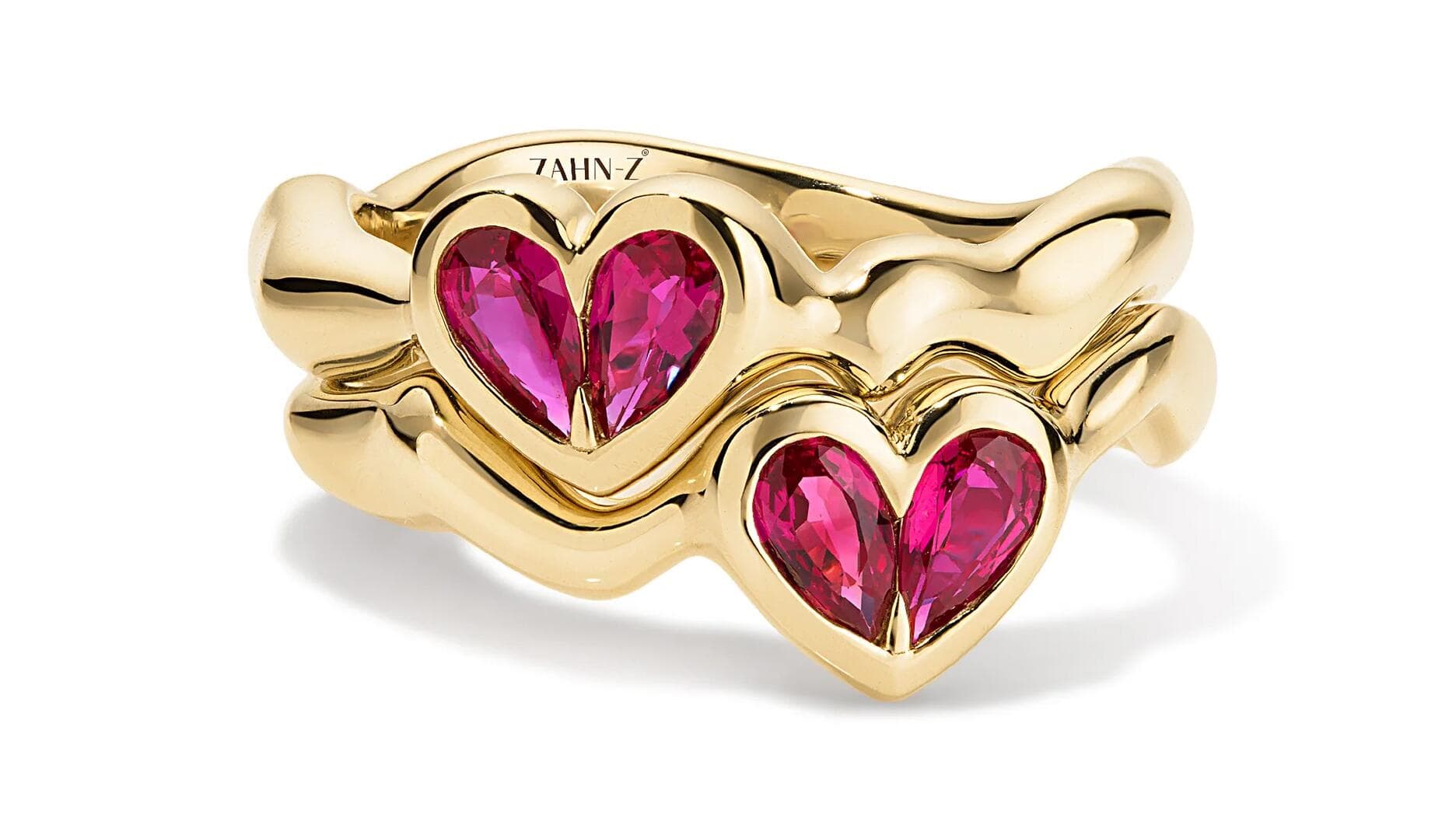
If the goal is lower snag risk and more built-in protection, the bezel is the clearest answer. In a bezel, the metal completely surrounds the stone, giving it a sleek, modern look and full edge protection that makes it especially strong for active lifestyles. It also changes the feel of a jewel immediately: bezels read cleaner, more graphic and less airy than prong settings, but they are often easier to live with because there are fewer exposed edges to catch on sleeves or scratch against hard surfaces.
Channel settings keep stones flush in a grooved row, a construction that suits daily wear and active use. That flush construction is what matters in a commuter’s life, because stones set into a channel are less likely to snag on knitwear or get bumped loose by an errant brush against a doorframe. It is one reason channels remain a steady choice for bands that need to withstand frequent wear without drawing attention to maintenance.
The market has been moving in this direction too. Bezel settings were among engagement ring trends in JCK’s 2025 coverage, and National Jeweler in 2017 tied them to a shift toward bold, minimalist appeal. Even the affordable jewellery boom highlighted by Harper’s Bazaar UK fits the same pattern: more buyers want pieces that can stay on through handwashing, workouts and long office days, not just pieces that sparkle on a special occasion.
Pavé and invisible settings bring brilliance, with a catch
Side-stone settings can add surface sparkle, but not all of them are equally forgiving. Pavé can be elegant, yet it can be vulnerable if the wearer is extremely active. That vulnerability comes from the very feature that creates the shimmer: tiny stones set closely together, often with less metal than a channel or bezel would use. The look is luminous, but the structure asks more of the wearer.
Invisible settings push the effect further, creating a seamless surface with minimal visible metal, and they can be somewhat fragile. They can be striking in the case, especially when the goal is a broad field of sparkle, but that visual continuity usually comes with more delicacy than a buyer expects from a piece meant for everyday use.
Care is part of the design, not an afterthought
No setting is maintenance-free. Jewelers of America recommends a professional cleaning every six months, and GIA also advises frequent cleaning and six-month checks. Those intervals matter because wear shows up first in the metal, not the stone: prongs loosen, mountings bend, and grime builds in places that dull brilliance before the owner notices anything is wrong.
Daily products matter too. Hairspray, lotion, perfume, chlorine and household cleaners can damage jewelry or some gems. That is especially relevant for everyday pieces, which are exposed to more of those substances than an occasion ring tucked into a box. A bezel may hide some of the risks, but it does not erase them; a channel may be more secure, but it still needs inspection if the piece is worn hard and often.
This article was produced by Prism’s automated news system from verified source data, official records, and press releases, then run through automated quality and moderation checks before publishing. The system is built and supervised by the people who set the standards it runs under. Read our full AI policy.
Did this article answer your question?