GIA says everyday jewelry durability is about hardness, toughness and stability
The smartest everyday gem is not always the hardest one. GIA says hardness, toughness and stability together decide what can live on your hand.
Diamond is the hardest mineral, yet it can be cleaved or fractured by a hard blow. For daily wear, GIA’s durability framework turns on three things: hardness, toughness, and stability.
Why Mohs is only the first clue
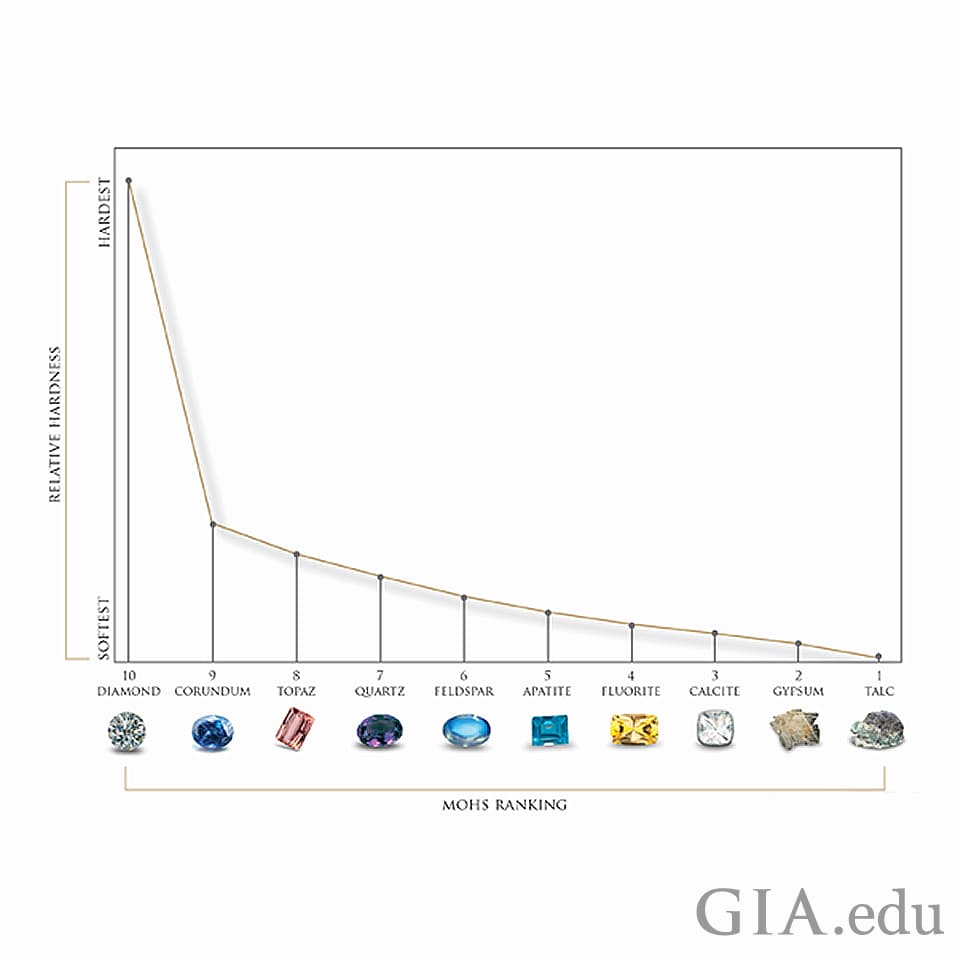
The Mohs scale, introduced in 1822 by Friedrich Mohs, ranks minerals by relative scratch resistance, not in neat, equal steps. In jewelry, a stone can read as “hard” and still be a poor candidate for an active life. Mohs is only the starting point.
Topaz looks reassuring at 8 on the Mohs scale, but its cleavage and poor toughness make it vulnerable to breakage.
The durability ladder that actually matches daily life
For everyday jewelry, the most useful question is not “What is the hardest stone?” but “What survives a normal week?” That means looking at three layers together. Hardness tells you how readily a surface scratches. Toughness tells you how well a gem resists chipping, cleaving, or breaking. Stability tells you whether heat, light, chemicals, or cleaning methods will change the stone over time.
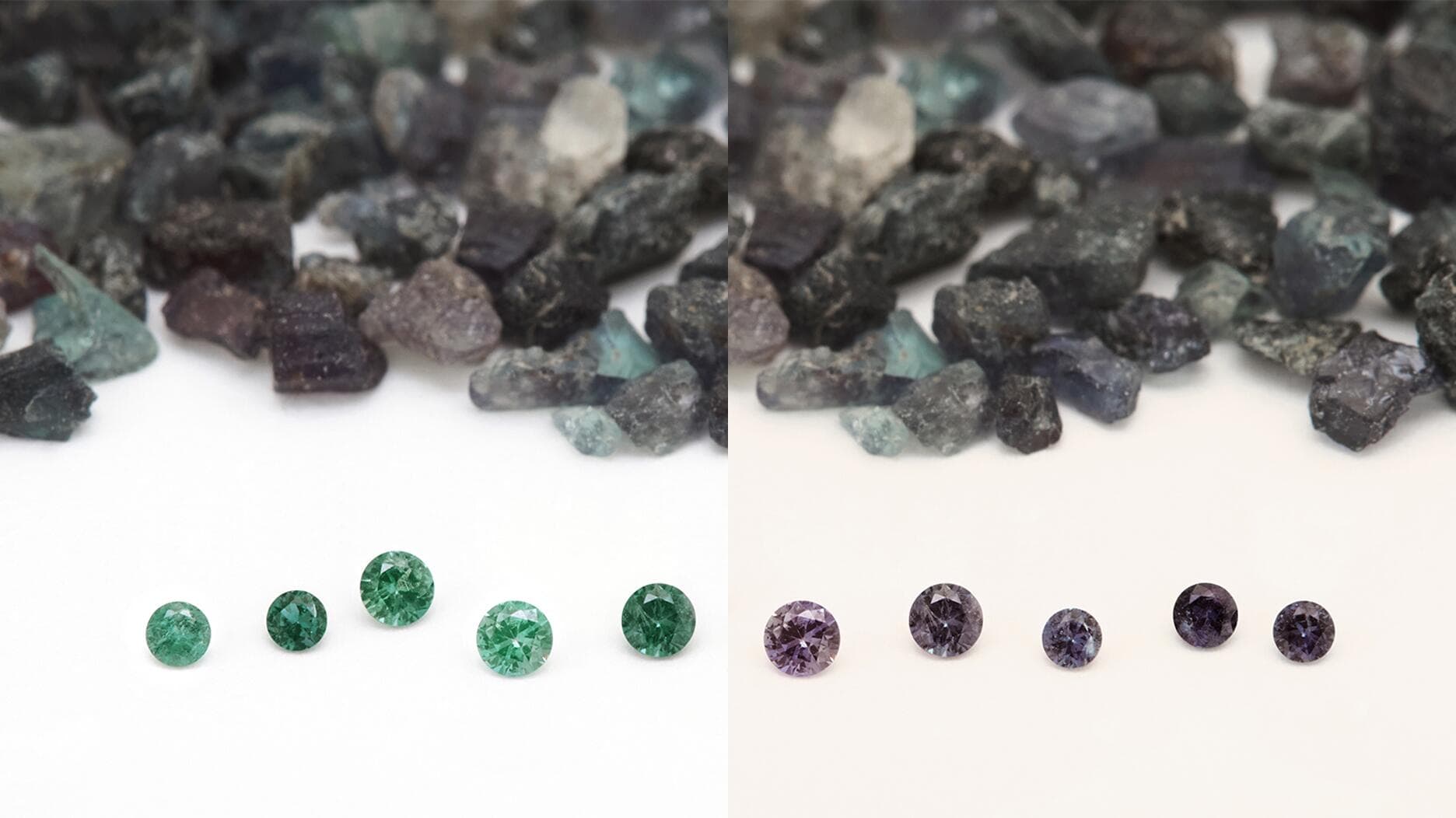
At the practical top of the ladder sit stones that combine strong scratch resistance with real-world resilience. Alexandrite is a standout at 8.5 on Mohs, with excellent toughness and no cleavage. It is a good choice for rings and other mountings subject to daily wear, and it is stable under normal wearing conditions. Spinel is another smart everyday candidate at 8 on Mohs, with good toughness and stability to light and chemicals. Warm soapy water is always safe for cleaning spinel, and ultrasonic or steam cleaning is usually safe unless fractures or inclusions are an issue.
Ruby and sapphire, the corundum family, sit at 9 on Mohs and have long been favored for jewelry that sees regular use. Their high scratch resistance makes them valuable in the everyday category, but the setting still matters. A durable stone in a weak mounting can fail faster than a less brilliant gem in a better-built ring.
What belongs on a ring, and what belongs elsewhere
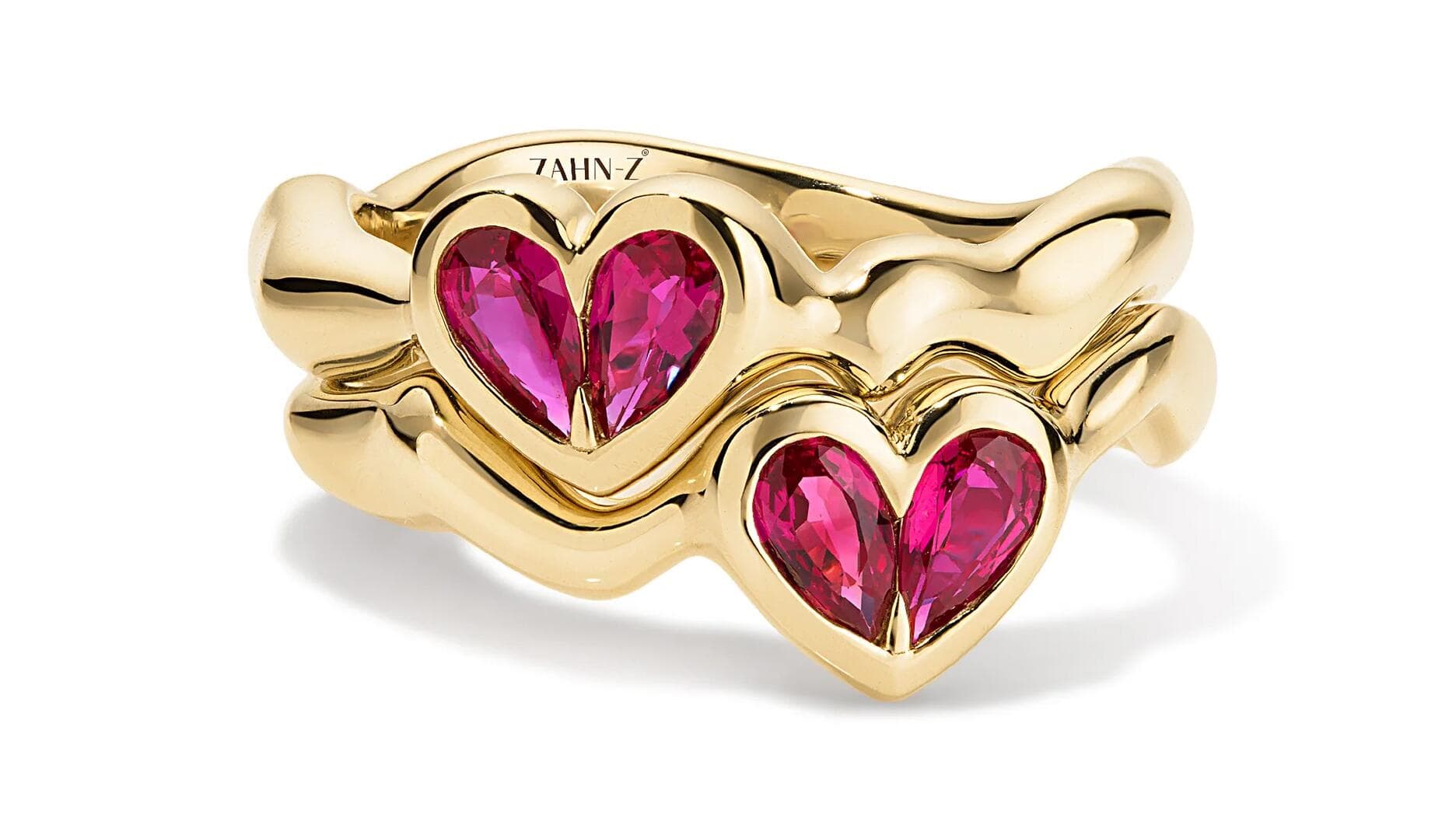
If you want a ring you can truly live in, alexandrite and spinel make especially elegant sense. They offer the mix collectors care about most: beauty, rarity, and enough structural confidence to handle constant contact with hands, desk edges, and daily motion.
Topaz belongs in a very different conversation. Its 8 on Mohs can make it look safer than it is, but hardness does not equal toughness. Because topaz can split along cleavage and react badly to sudden change, it is better suited to pendants or pins than to a ring that spends all day meeting countertops, door handles, and hard surfaces.
Beautiful stones that ask for restraint
Emerald ranks 7.5 to 8 on Mohs and has fair to good toughness, so it can last for generations with proper care. But many natural emeralds are fracture-filled, which makes ultrasonic and steam cleaning risky, and heat can damage the stone by extending existing fractures. Emerald is better in a setting and a wear pattern that account for its internal structure.
Pearl lives at the opposite end of the scale, around 2.5 on Mohs. It is easily scratched, chemically sensitive, and vulnerable to heat, perspiration, perfume, and cosmetics. That makes it a luminous choice for jewelry that is worn with care, but a poor candidate for the kind of everyday investment piece.
Some gemstones need special attention because of their reaction to heat and light. A stone can look perfect on day one and still be the wrong choice if it cannot tolerate sunlight, steam, cleaning products, or the heat of repair.
Why this matters beyond the jewelry box
The American Gem Trade Association’s 2026 Gemstone Information Manual treats durability as a trade issue, with disclosure and care-handling guidance remaining a live industry concern. Durability shapes setting decisions, repair strategies, cleaning methods, and display choices for dozens of gem species.
This article was produced by Prism’s automated news system from verified source data, official records, and press releases, then run through automated quality and moderation checks before publishing. The system is built and supervised by the people who set the standards it runs under. Read our full AI policy.
Did this article answer your question?