How to choose nickel-free jewelry for everyday wear
The safest everyday jewelry is the metal you can name precisely: surgical-grade stainless steel, high-karat yellow gold, sterling silver, or platinum. Hypoallergenic is not enough when nickel can hide in backs, straps, and fasteners.

Nickel allergy usually appears as an itchy rash where metal touches the skin. If nickel has ever turned a favorite piece into a rash, the goal is simple: choose metals that are explicitly nickel-free or that the American Academy of Dermatology flags as safer for sensitive skin, then favor the pieces you will actually wear on repeat.
Start with the metal, not the marketing
Nickel is not confined to earrings and chains; it can show up in coins, zippers, eyeglass frames, metal toys, cosmetics, cellphones, and laptops, which is why irritation can continue even when the obvious jewelry is gone. The American Academy of Dermatology estimates that more than 18 percent of people in North America are allergic to nickel, including 11 million children in the United States, so this is not a niche concern.
The best buying filter is not a vague promise on a tag. For skin that reacts easily, the clearest choices are surgical-grade stainless steel, 18-, 22-, or 24-karat yellow gold, pure sterling silver, and platinum. If a piece only says “hypoallergenic” but will not name the alloy, treat that as marketing, not proof. The material name matters because it tells you what is touching your skin.
Which metals make sense for real life
For everyday earrings, chains, rings, and watches, surgical-grade stainless steel is the practical anchor. It has the best case for a hard-wearing, lower-cost wardrobe because it is built for frequent contact and does not ask for much maintenance. It is the kind of metal that can handle the rotation of office days, gym bags, and handwashing without demanding the kind of careful polishing or storage that softer finishes require.
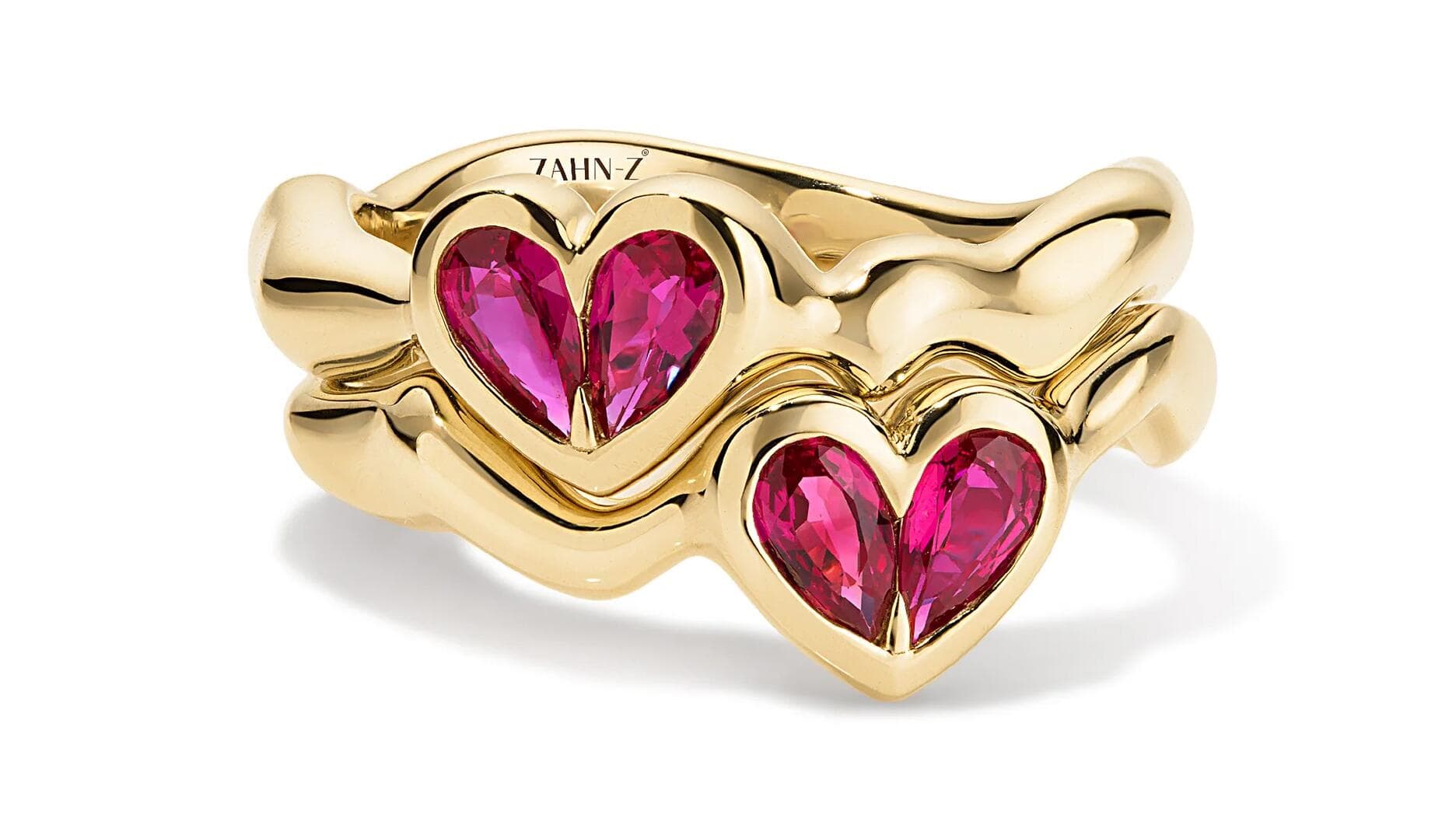
High-karat yellow gold feels more luxurious for a reason: the color is deeper, the presence warmer, and the piece more likely to justify a higher spend when you want jewelry to live in your collection for years. Eighteen-karat yellow gold is often the sweet spot for daily wear, since it offers the look of fine gold with a sturdier profile than the richer, softer 22- or 24-karat versions. Pure sterling silver is the more accessible entry point, with a bright, clean finish that works beautifully in chains and understated rings, though it rewards regular cleaning. Platinum sits at the top of the spectrum.
Read the hidden contact points
Nickel problems are rarely caused by the headline piece alone. Earring backs and watches are major culprits, and necklaces, rings, and bracelets are common triggers because they sit directly on skin for long stretches. Even the details around the jewelry matter: leather, cloth, or plastic watchbands are safer everyday alternatives than a metal strap if your wrist is sensitive.
There are other small offenders that deserve the same attention. Belt buckles, bra hooks, metal buttons, zippers, and snaps can all carry nickel, and that matters because a reaction under a ring or across the wrist may actually be part of a larger pattern of repeated exposure. If you notice irritation under a favorite piece, stop wearing it, let the skin clear, and then see whether the rash returns when the item goes back on. That repeat pattern is often the clearest clue that the metal, not the setting or the shape, is the problem.
Why pierced jewelry gets blamed so often
Earrings sit at the center of nickel allergy for a reason. A 2025 systematic review and meta-analysis found that nickel allergy was significantly associated with piercings in the general population, with an odds ratio of 5.9, and in dermatitis patients, with an odds ratio of 3.6. That lines up with the clinical reality that pierced areas are exposed for long periods, often with backs and posts pressed directly into sensitive skin.
Nickel is a ubiquitous metal in jewelry because it hardens pieces and is inexpensive, and nickel allergic contact dermatitis is the most common cutaneous delayed-type hypersensitivity reaction worldwide. The same review estimates that at least 1.1 million children in the United States are sensitized to nickel, and that the incidence among tested children has almost quadrupled over the past three decades.
How to verify what you are actually buying
The most useful verification step is also the most ordinary one: look for a precise material designation. “Nickel-free” is useful, but so are exact metal names such as surgical-grade stainless steel, 18-, 22-, or 24-karat yellow gold, pure sterling silver, and platinum, because those terms carry more meaning than a generic skin-friendly claim. For watches, the band is just as important as the case, which is why leather, cloth, or plastic straps are worth preferring if the wrist tends to flare.
If you already suspect an allergy, doctors can often diagnose nickel allergy through symptoms and exposure history and may use patch testing, in which small amounts of allergens are placed on the skin for two days. Once you know what your skin rejects, you can build around it with far less trial and error.
The policy history behind the safer pieces
Nickel-free shopping did not emerge out of styling alone. European Parliament and Council Directive 94/27/EC, adopted on June 30, 1994, restricted nickel in objects intended for direct and prolonged skin contact because those items can sensitize wearers and trigger allergic reactions. That framework was later folded into the European Union’s REACH system, and the European Commission updated the reference nickel-release standard to EN 1811:2023 in December 2023.
The American Contact Dermatitis Society, founded in 1989, has long made diagnosis, education, and advocacy part of its mission, and in 2008 its Public Relations Committee presented a resolution supporting a U.S. nickel directive modeled on the European approach.
This article was produced by Prism’s automated news system from verified source data, official records, and press releases, then run through automated quality and moderation checks before publishing. The system is built and supervised by the people who set the standards it runs under. Read our full AI policy.
Did this article answer your question?