How to choose the right necklace length for everyday wear
18 inches is the safest daily default. Neckline, pendant size, and body shape tell you when to size up or down.
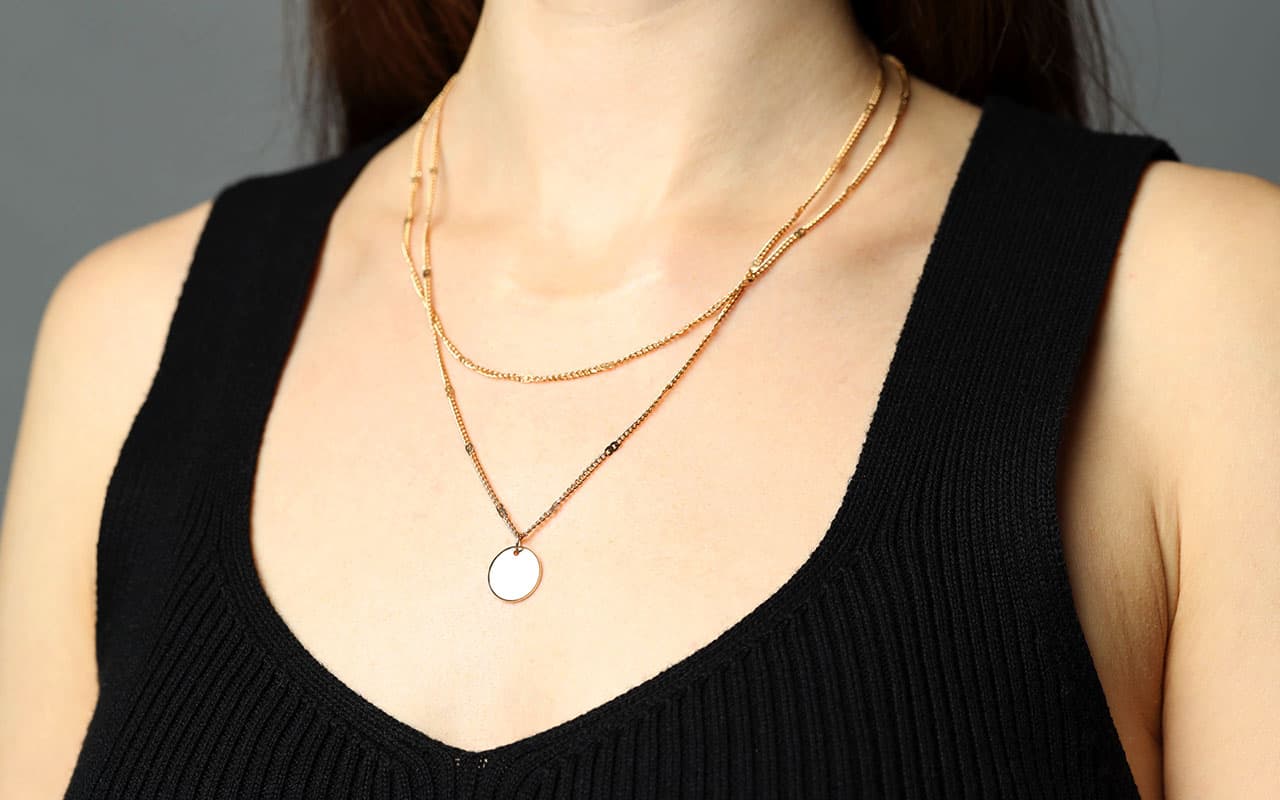
An 18-inch necklace usually lands at the collarbone, which is why so many jewelry guides treat it as the most versatile everyday length. The necklace that looks perfect in a product photo can sit very differently once it meets a real neckline, a sweater collar, or your own proportions.
Start with the standard range
Most jewelry retailers place the standard women’s necklace range at 16 to 20 inches, and that span is the quickest way to translate online shopping into real-life fit. SilverSpeck uses that same 16-to-20-inch frame, while Delly Rica Jewelry places 18 inches at about 45 to 46 cm, the most versatile everyday length.
Jared places 16 inches tightly against the base of the throat as a choker and 18 inches on the collarbone.
Learn the body map before you buy
A 16-inch necklace sits just above the collarbone, so it reads a little more polished and a little more visible. It is a strong choice when you want the necklace to be seen above a neckline, but it can feel snug if you want the chain to disappear under clothing.
An 18-inch necklace is the closest thing jewelry has to a universal setting. At that height, it works with V-necks, crewnecks, button-downs, and sweaters without fighting the fabric.
A 20-inch necklace drops lower, often sitting between the collarbone and the bust. That extra length gives a pendant more room to hang properly and creates breathing room if you want to layer chains instead of wearing one piece alone.
Translate inch counts into style names
The old necklace-length names still help when product pages mix terminology with measurements. Choker generally means 14 to 16 inches, princess runs 17 to 19 inches, and matinee usually covers 20 to 24 inches.
At 25 Karats, princess length is 17 to 19 inches, falling just below the collarbone and resting at or above the neckline of most clothing. It is a shorter chain that does not press tightly to the throat.
Matinee length, by contrast, gives you a lower drape that changes the tone of the piece immediately. It creates a deliberate line of metal across the chest.
Match the length to your wardrobe
Neckline is the first filter to use. A shorter chain like 16 inches sits high enough to frame an open collar or a crewneck, while 18 inches usually works across the widest range of shirts and knitwear because it lands where most necklines leave space.
Longer lengths become more useful when you want a pendant to show or when you are building a layered look. A 20-inch chain has room to fall below the collarbone, which helps a charm or stone sit clearly instead of bunching at the throat.
Use your proportions, not just the chart
Body shape changes how a chain reads. Petite wearers often find 16 or 18 inches easier to balance visually, while taller wearers or people with broader necks may prefer 18 or 20 inches as a default because the chain does not look compressed.
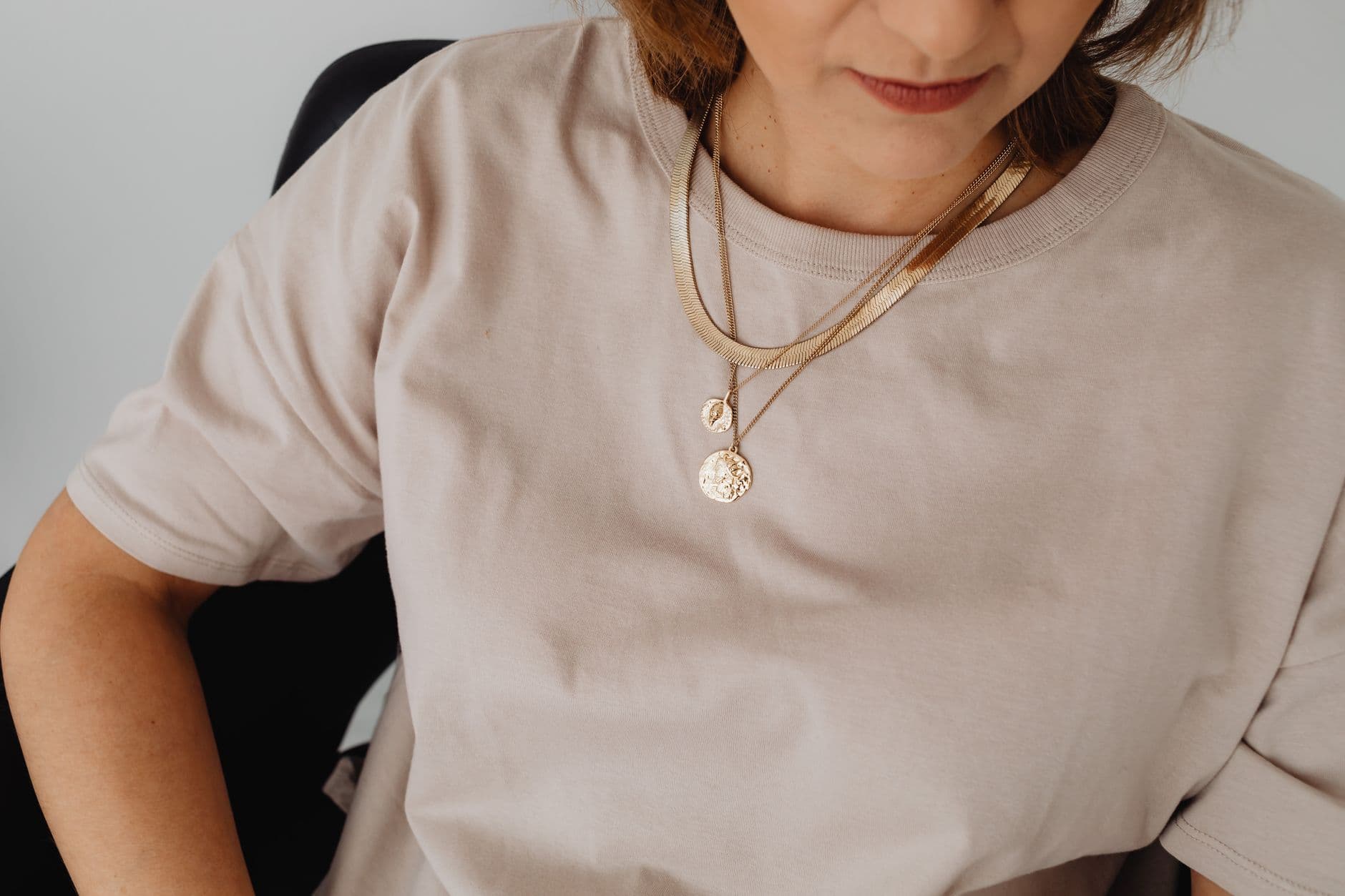
Comfort matters as much as appearance. Think about where the necklace will sit during the day: above a shirt collar, under a blouse, or directly against skin. If you know a piece will live under knits or sit near a collarbone that moves a lot, give yourself a little more room rather than choosing the tightest option.
Measure the way jewelers do
A simple measurement can save you from guessing. Camellia NYC’s method is to wrap a soft tape measure or a string around your neck, mark the point where you want the necklace to rest, and then compare that length with chain sizes before you buy.
1. Wrap the tape or string where you want the necklace to sit.
2. Mark the spot with your finger or a pen.
3. Measure that length and compare it with 16, 18, and 20 inches before choosing.
That quick check is especially helpful if you are shopping for a pendant, because the charm itself adds visual weight and can pull the eye lower than the chain length suggests. It also keeps you from mistaking a close fit for a comfortable one.
Layer with staggered lengths
Layering works best when each chain has its own space. Staggered lengths create separation and reduce tangling, which is why a simple sequence like 16, 18, and 20 inches is more practical than stacking chains that land too close together.
If you want just one daily chain, make it 18 inches. If you want a second piece, add a shorter or longer chain with enough gap to show both lines clearly.
This article was produced by Prism’s automated news system from verified source data, official records, and press releases, then run through automated quality and moderation checks before publishing. The system is built and supervised by the people who set the standards it runs under. Read our full AI policy.
Did this article answer your question?