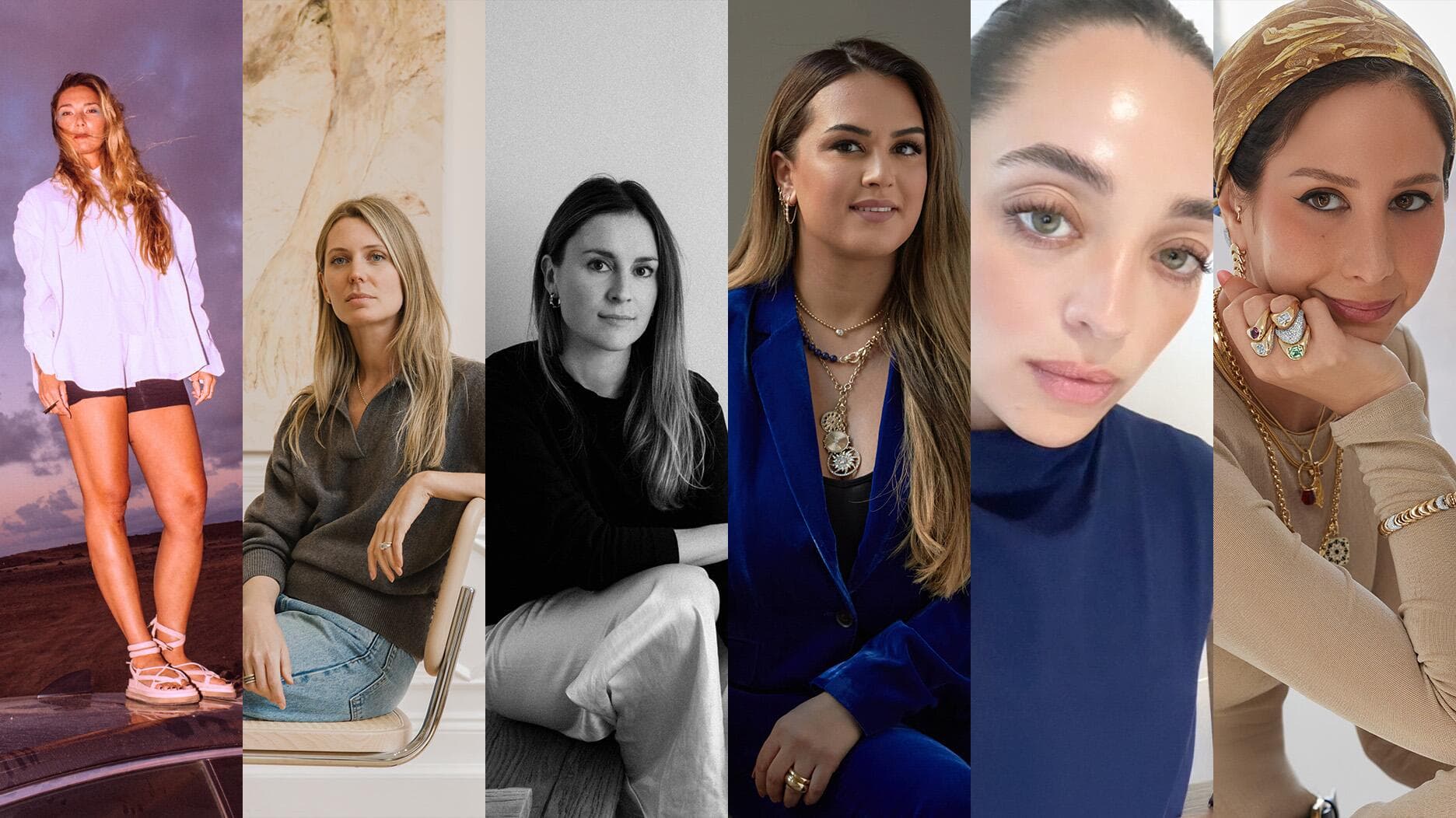
Six emerging jewelry designers poised for a breakout 2026
These six designers matter because they are building jewelry people can actually wear every day, while 2026 leans sculptural, stackable, and practical.
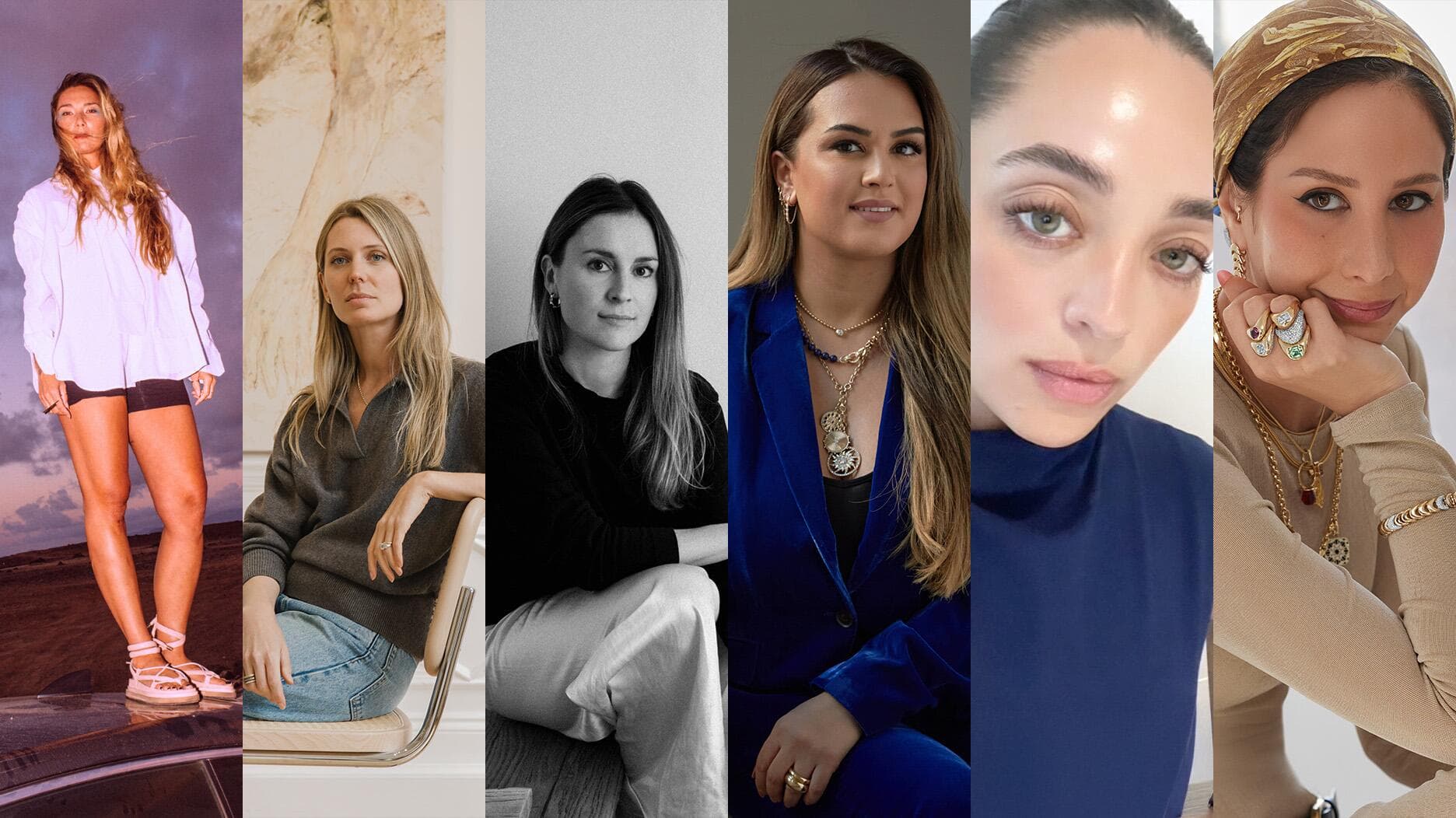
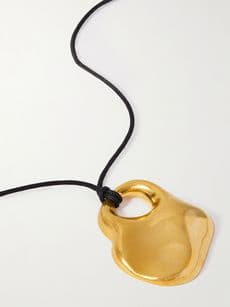
The jewelry names that will matter most to everyday buyers in 2026 are the ones that can move from a solo statement to a daily uniform. National Jeweler’s Jan. 21 roundup of six designers points in that direction, and the broader trend picture from Vogue, Who What Wear, and Marie Claire backs it up with sculptural forms, bold gold, modern pearls, statement studs, leather cord pendants, beads, and other pieces meant to be worn, not just admired.
National Jeweler is also treating the moment as more than a seasonal style cycle, with separate coverage on “State of Design: Only the Innovative Will Survive” and “The Top 10 Jewelry Trends of the Past Decade.” That framing makes this list useful for readers who want to know which designers are building the kind of momentum that translates into repeat wear, layering potential, and entry points that feel justified rather than aspirational for one special occasion only.
Jules Kim of Bijules
Jules Kim has already earned the kind of attention that separates a cult name from a true breakout candidate. National Jeweler has profiled her work under the headline “Building Bridges Between Creators and Industry,” which signals a designer with reach across fashion circles and the business side of jewelry.
For everyday buyers, that matters because the most durable jewelry wardrobe is usually built around a designer whose pieces feel directional but not fragile. Bijules sits in that sweet spot where strong identity can still support repeat wear, especially in a year when editors are leaning hard into sculptural shapes and everyday luxury rather than locked-away preciousness.
Sophie Howard of By Pariah
Sophie Howard’s By Pariah belongs in the conversation because 2026 is rewarding jewelry that looks current without requiring a red-carpet calendar. Who What Wear’s jewelry trend coverage points to statement studs and wearable pieces, and that is exactly the kind of environment where a designer like Howard can turn clean design into daily essentials.
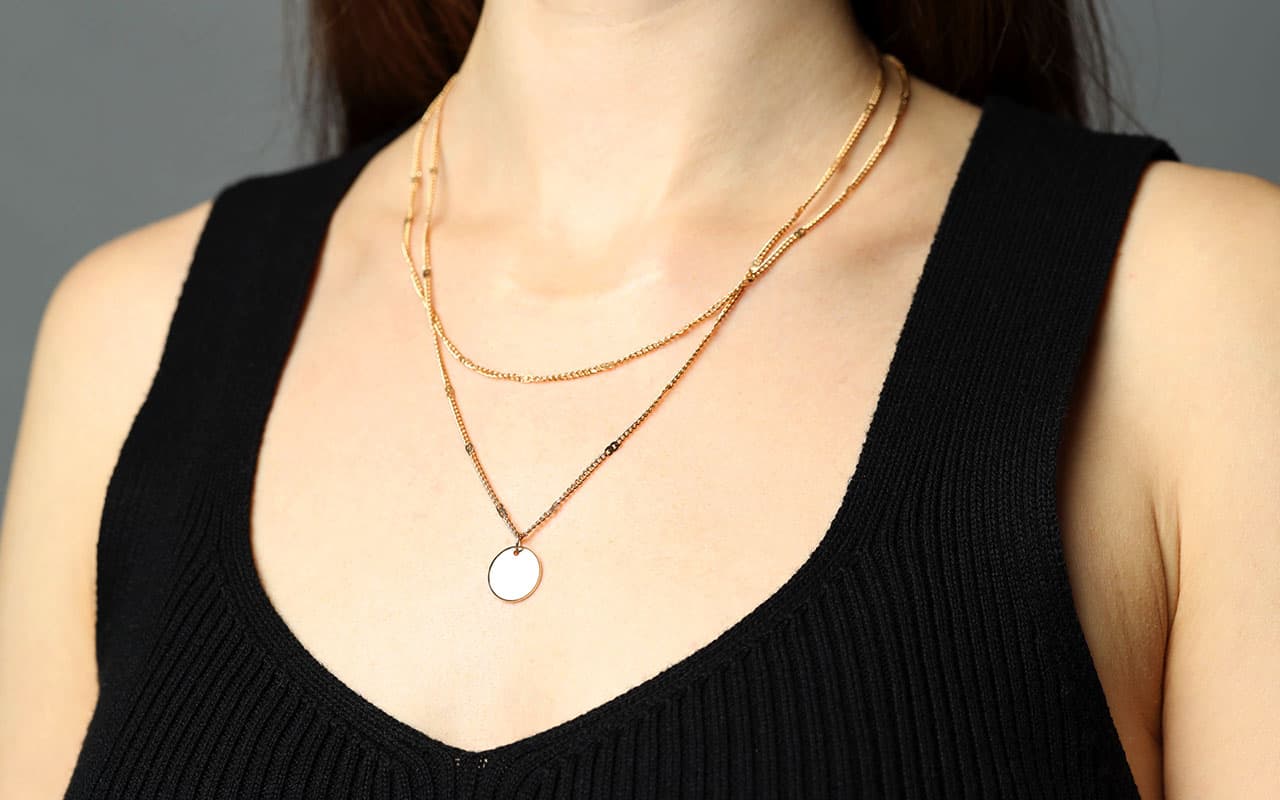
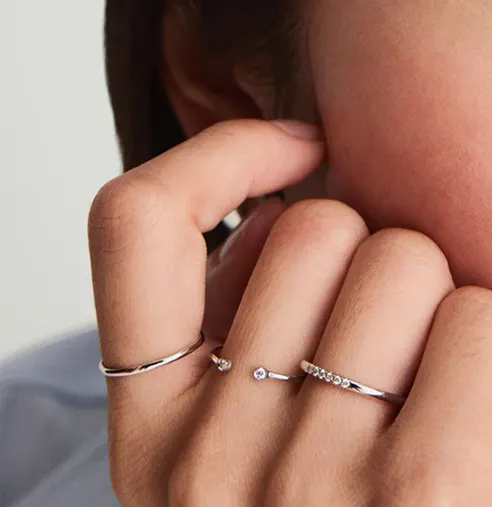
What makes that breakout potential matter to shoppers is simple: the pieces that win are the ones you can stack, layer, and return to. A designer positioned for mainstream growth usually has a clear point of view, but also enough restraint that a necklace, cuff, or earring can slip into a weekday rotation without feeling overworked.
Jade Ruzzo
Jade Ruzzo is one of the names National Jeweler singled out for a breakout year, and that inclusion tells you something important about how the market is reading her work. In a year when the conversation is centered on wearable luxury and practical statement pieces, a designer does not need to be the loudest voice in the room to be the most relevant to daily buyers.
The everyday appeal here is repeatability. The designers who move beyond insider admiration tend to make pieces that can anchor a stack, sit comfortably against other metal tones, or bring enough shape to a plain sweater and jeans without asking for a special occasion to justify them.
Joy Haugaard of Lionheart
Joy Haugaard, the designer behind Lionheart, rounds out the first tier of names that National Jeweler highlighted as poised to break out. The Lionheart name itself suggests jewelry with presence, but the real test for everyday buyers is whether that presence can be worn often enough to justify the spend.
That is where 2026 trend direction helps her case. Marie Claire’s read on the year points to sculptural metal cuffs, leather cord pendants, beads, and other styles that feel expressive without becoming costume, and Haugaard is well placed if her work lives in that space between statement and comfort.
Vanessa Fernández of Vanessa Fernández Studio
Vanessa Fernández of Vanessa Fernández Studio extends the field beyond the four names surfaced in the National Jeweler snippet and broadens the list into a more complete picture of what breakout jewelry looks like now. The strongest emerging designers are not only producing pieces for fashion insiders, they are creating objects with enough clarity and ease to move into everyday wardrobes.
That is especially important in a market where British Vogue and other trend watchers are backing jewelry that feels modern, wearable, and built for repeat use. Fernández’s place in this six-designer group suggests a line with enough design momentum to catch both the collector eye and the buyer who wants a single piece to do real work in a jewelry box.
Hiba Husayni of Zahn-Z
Hiba Husayni of Zahn-Z completes the six and reinforces one of the clearest lessons of the 2026 jewelry landscape: personality sells, but only if it is wearable. The trend reports shaping the year keep circling the same idea, from modern pearls and bold gold to sculptural forms and practical statement pieces, and that combination is exactly what lets a newer designer cross from niche interest into daily rotation.
For buyers, that means paying attention to how a designer handles proportion, weight, and layering potential, not just the headline look. The names that will matter most are the ones that can make a piece feel individual without making it hard to wear, and that is the standard Zahn-Z now has a real chance to meet.
The six designers National Jeweler put forward all point toward the same market truth: 2026 jewelry is not winning by being more precious alone, but by being easier to wear, easier to layer, and more interesting every time you put it on. The breakout names will be the ones that turn a strong design point of view into pieces that stay in motion.
This article was produced by Prism’s automated news system from verified source data, official records, and press releases, then run through automated quality and moderation checks before publishing. The system is built and supervised by the people who set the standards it runs under. Read our full AI policy.
Did this article answer your question?