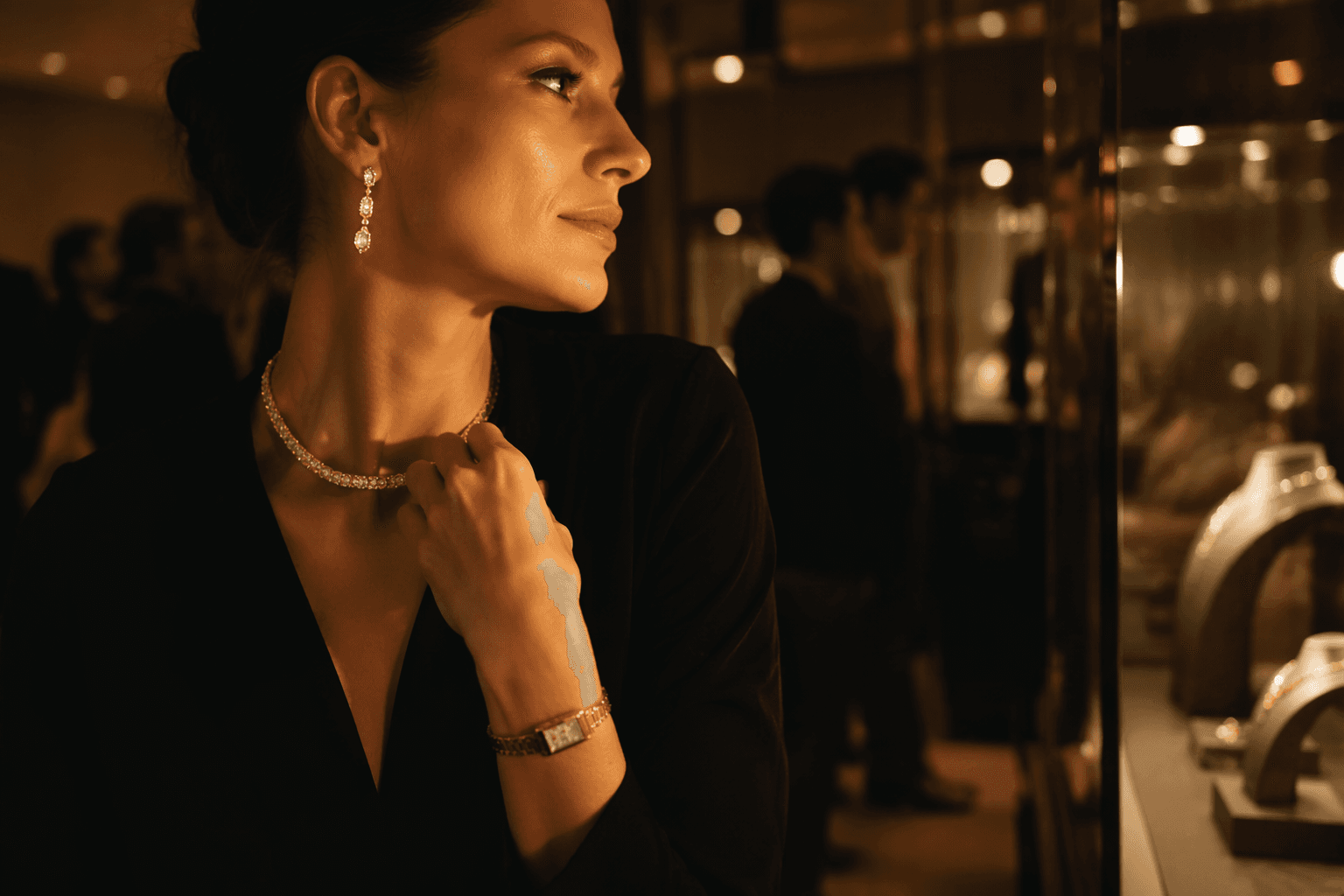
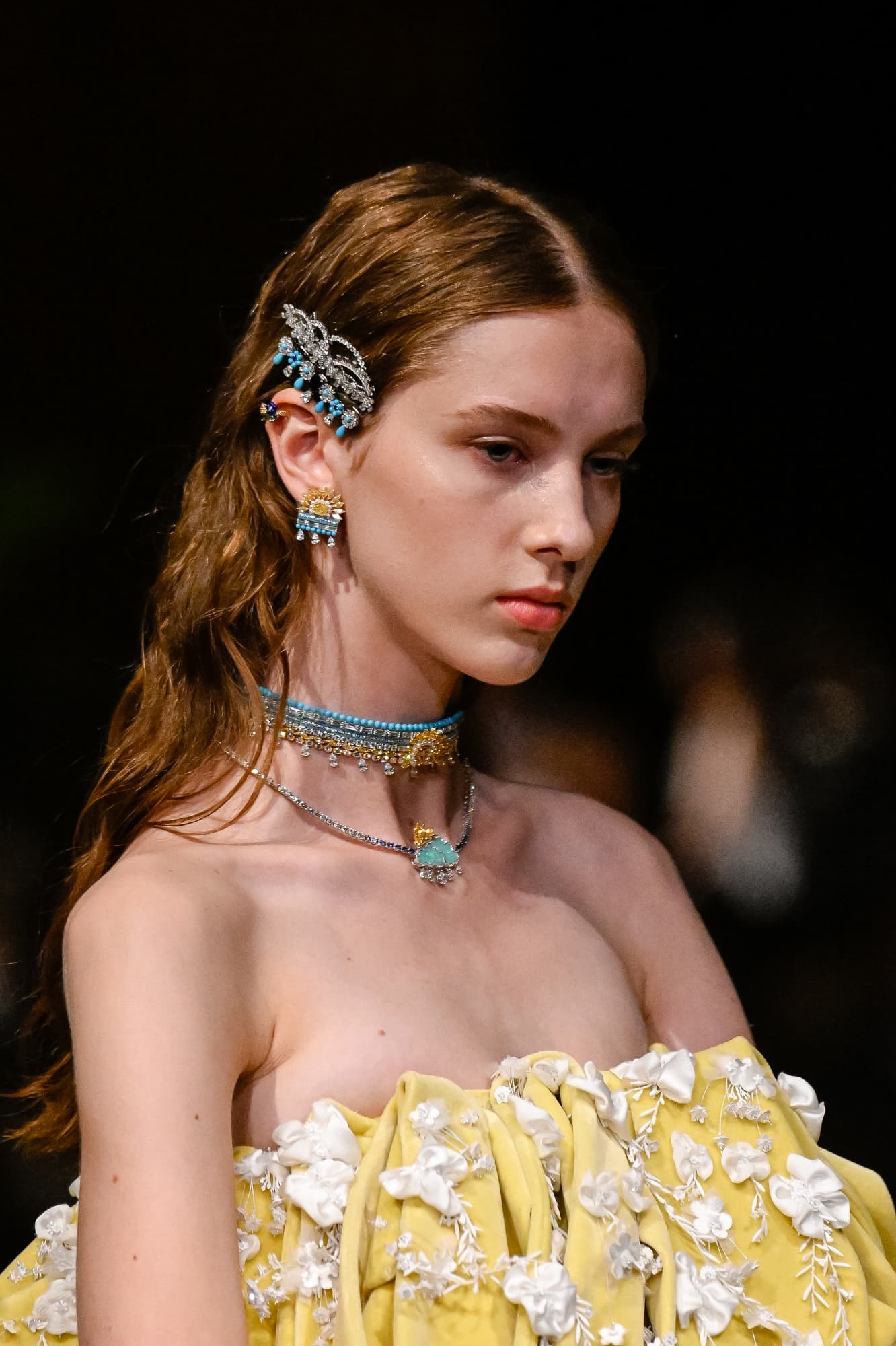
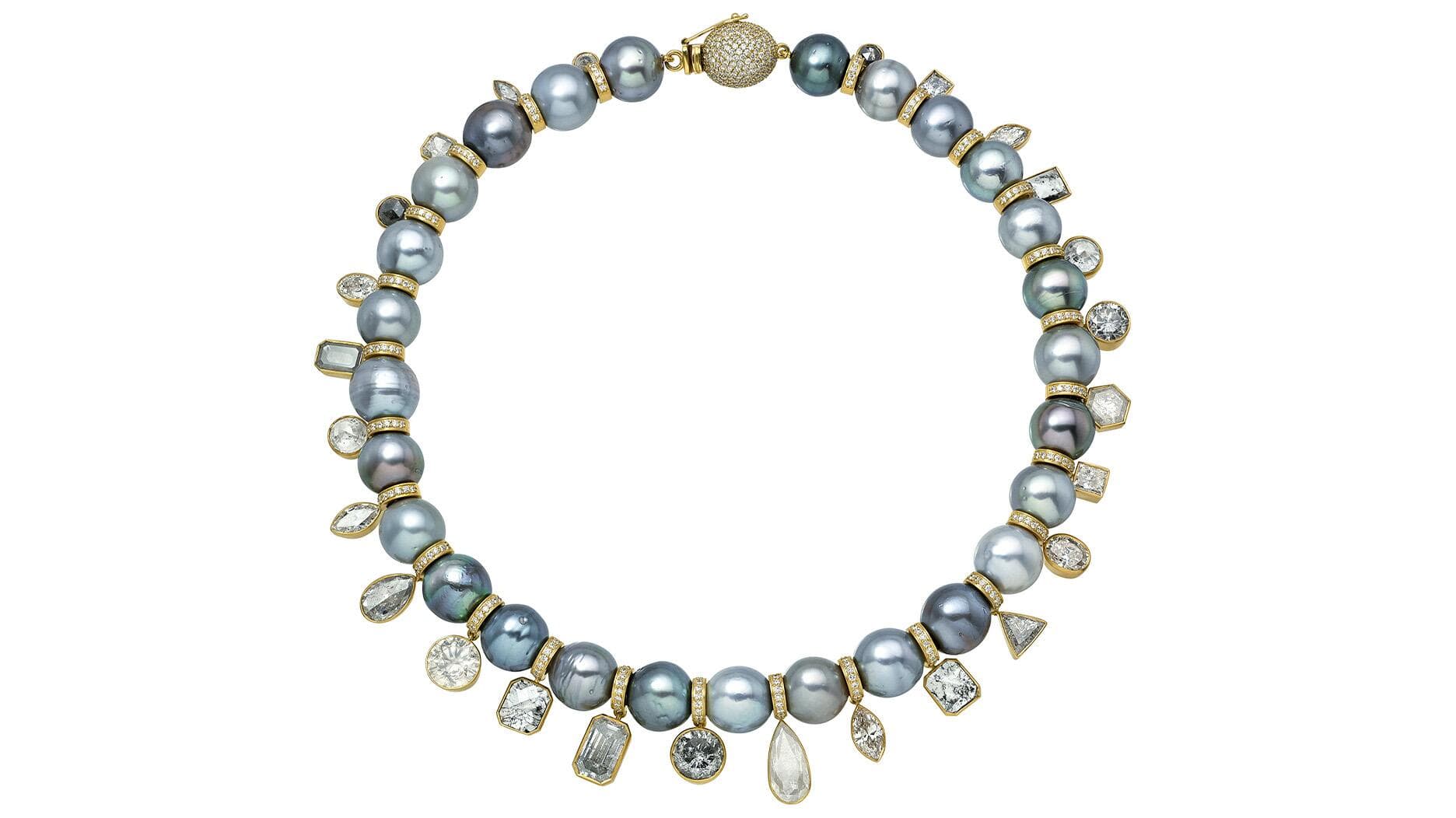
JCK and Luxury head to Las Vegas as jewelry demand stays resilient
High gold prices have not cooled jewelry buying. In Las Vegas, JCK and Luxury are showing how everyday pieces are getting smarter, more versatile, and more intentional.
Las Vegas is still where jewelry demand shows its hand
The clearest signal in this season’s Las Vegas calendar is not caution, but adaptation. JCK and Luxury are returning as North America’s largest jewelry shows while gold hovers around $5,000 an ounce, and the message for everyday jewelry is simple: consumers still want gold, but they want it delivered with sharper design choices and less waste. That pressure is pushing brands to make pieces that feel considered, wearable, and worth the price, even when the metal itself is expensive.
What matters most to a buyer is not the show floor itself, but what eventually filters out of it. When designers at JCK and Luxury lean into precious and demi-fine jewelry across a range of price points, they are responding to a market that still buys beauty, but expects restraint, versatility, and craftsmanship to justify every gram.
What the shows are signaling about everyday jewelry
JCK will return to The Venetian Expo in Las Vegas from Friday, May 29, to Monday, June 1, 2026. Luxury runs May 27 to June 1, 2026, at The Venetian, with the 2026 edition framed as a transition toward more alluring, opulent, and upscale experiences. That split matters because it captures two sides of the same consumer conversation: one show is built around broad industry reach, while the other is more selective and elevated, and together they map how brands are positioning jewelry for different moments of purchase.
For everyday jewelry shoppers, the most important takeaway is that price sensitivity is not killing appetite. It is forcing clarity. Pieces that feel easy to wear, easy to layer, and easy to justify are the ones likely to rise to the top, especially when gold costs are this high and consumers are still buying. The strongest counters will probably not be the most ornate ones, but the ones that make plain gold feel modern through proportion, finish, and repeat wear.
Gold is expensive, so design has to work harder
Gold has been hovering at about $5,000 an ounce for more than a year, yet demand has stayed resilient. That is exactly why the show floor matters now: it reveals how brands are absorbing cost pressure without abandoning the emotional pull of fine jewelry. Sarin Bachmann of RX Global has pointed to designers and brands responding with jewels of beauty, refined craftsmanship, and meaning at a range of price points, and that combination tells you where the market is headed.
In practical terms, that usually means everyday jewelry has to carry more of the burden. A chain cannot just be a chain. A ring cannot just be a ring. Buyers are looking for pieces that feel polished enough for daily wear but distinctive enough to survive a closer look, which is why precious-metal jewelry and demi-fine pieces are both so central to this moment. The value proposition is shifting from sheer metal weight to design intelligence.
The Timepieces move shows how broad the jewelry conversation has become
One of the more telling additions this year is the new Timepieces destination for watches. JCK and Luxury announced the category expansion for the 2026 shows, and the rollout is staged deliberately: Luxury invited retailers get access on Wednesday, May 27 and Thursday, May 28, before Timepieces opens to all JCK attendees beginning Friday, May 29. That sequencing says something important about how the organizers see watches fitting into the wider jewelry business.
For readers buying everyday jewelry, the watch push matters because it reinforces a broader move toward accessories that earn their place in a wardrobe through daily utility. The best jewelry purchases increasingly live in the same conversation as a watch: pieces that are visible, repeated, and integrated into how someone dresses every day. When a show with this much reach fortifies its watch category after years of difficulty building credibility in Las Vegas, it suggests that accessories are becoming less segmented and more lifestyle-driven.
Why JCK and Luxury still shape what reaches the counter
JCK describes its 2026 show as the global jewelry industry’s most important trade gathering, and this year’s programming includes networking, education, awards, and entertainment. That mix is not just trade-show theater. It is the machinery that decides which aesthetics, materials, and price tiers get the most oxygen before they reach retailers and, eventually, consumers.
Luxury’s positioning is equally revealing. By emphasizing a transition to more opulent and upscale experiences, it is signaling that there is still room at the top end for pieces that feel special, even in a market where buyers are more selective. For everyday jewelry, that upper-end energy tends to trickle down into cleaner settings, stronger finishes, and more disciplined design at lower price points, especially when brands want their work to read as luxurious without becoming inaccessible.
What to watch for in the next wave of daily-wear jewelry
The most useful way to read these shows is not as a broad confidence story, but as a guide to what shoppers will actually notice in the case. Expect the smartest pieces to be the ones that make gold prices feel less like a barrier and more like a design brief. That means jewelry that feels intentional rather than overbuilt, with price points that acknowledge reality while still delivering a sense of polish.
- gold that is used strategically, not lavishly
- demi-fine pieces that bridge fashion and fine jewelry
- refined silhouettes that work for stacking and repeat wear
- watches and jewelry that speak the same visual language
For buyers building a daily rotation, the likely winners are the pieces that hold up across settings and wardrobes:
The resilience of demand is the real story here. In Las Vegas, the industry is not pretending that gold is cheap or that consumers are careless. It is showing that when materials get dear, the pieces that survive are the ones with better proportions, clearer intent, and enough beauty to justify being worn again tomorrow.
This article was produced by Prism’s automated news system from verified source data, official records, and press releases, then run through automated quality and moderation checks before publishing. The system is built and supervised by the people who set the standards it runs under. Read our full AI policy.
Know something we missed? Have a correction or additional information?
Submit a Tip