Mejuri, Blue Nile and Quince lead trusted online jewelry shopping guide
Mejuri, Blue Nile and Quince cover the biggest jewelry missions, from daily stacks to engagement rings, with clearer sourcing, value and diamond detail.
The online jewelry aisle is best when the retailer matches the mission
Shopping jewelry online works when the brand is specific about what it makes, what it costs to make it, and what kind of buyer it serves. That matters most for engagement rings and other symbolic gemstone pieces, where trust is part of the purchase as much as sparkle is. It matters just as much for everyday wear, when the right piece has to live in a rotation, not sit in a box.
The pressure on value is real. Total gold demand in 2025 exceeded 5,000 tonnes for the first time and reached a record US$555 billion, while jewelry demand volumes fell as higher gold prices squeezed affordability. In that market, the strongest online jewelers are the ones that make it easier to compare materials, understand provenance and separate solid value from vague claims.
Everyday wear that earns a permanent spot
Mejuri for daily gold, silver and gemstone pieces
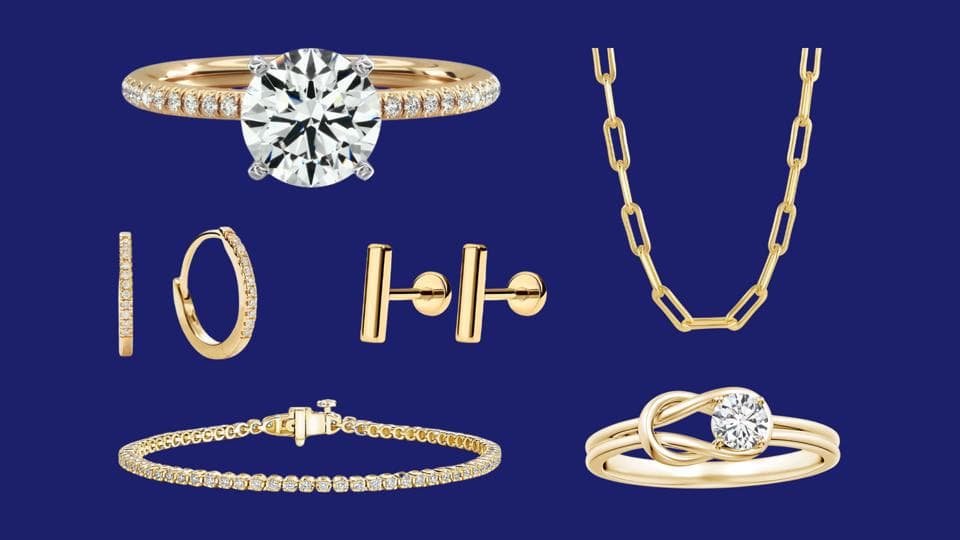
Mejuri has been creating jewelry for every budget since 2015, and its core idea is simple: fine jewelry should belong in everyday life, not just on special occasions. That philosophy shows up in its Everyday Jewelry collection, which centers on gold, silver and gemstone pieces designed for daily wear and layering.
The appeal here is not just aesthetic restraint. Mejuri says it uses carefully selected, responsibly sourced materials, which gives its everyday assortment more credibility than brands that lean only on mood words like timeless or effortless. If you want slim chains, stackable rings or easy pieces that can move from work to dinner without feeling precious, Mejuri remains one of the cleanest answers.
Catbird for recycled materials with a Brooklyn point of view
Catbird has designed jewelry in Brooklyn since 2004, and its sourcing is unusually concrete. The brand says it uses over 95 percent recycled gold and recycled diamonds, a detail that matters if you want recycled metals to be more than a marketing line.
That level of specificity puts Catbird in a different lane from brands that talk broadly about sustainability without naming actual inputs. It is especially compelling for buyers who want small, wearable pieces with a clear materials story behind them.
gorjana and AUrate for easy, lower-drama everyday pieces
gorjana, founded in 2004 in Laguna Beach, California, has long occupied the polished, wear-it-every-day side of the market. AUrate New York, founded in 2015 by Sophie Kahn and Bouchra Ezzahraoui, brings a sharper sustainability and ethics emphasis.
Neither brand needs to shout to make its case. The value is in the positioning: gorjana for uncomplicated daily jewelry, AUrate for shoppers who want a more explicit conversation about ethics alongside design.
Gifts and accessible fine jewelry without losing the plot
Quince for lower-price essentials that still feel considered
Quince is built around a factory-direct model, which is how it says it can offer exceptionally high-quality essentials at lower prices. The brand was also built by people with luxury-brand experience, and it pairs that with sustainability as part of the identity rather than an afterthought.
That combination makes Quince especially useful for gifts and for first-time fine-jewelry buyers who want a clean, modern piece without paying traditional retail markup. It was named the best affordable everyday jewelry brand and the best affordable choice for affordable engagement rings in a separate 2025 roundup, which is exactly the kind of use-case alignment that matters here: lower price, clear design, and a straightforward path to a purchase.

Mejuri for gifting that can still feel personal
Mejuri also works well in the gifting lane because its assortment is broad enough to cover subtle gold bands, silver pieces and gemstone accents without pushing into overdesigned territory. The brand’s “every budget” framing gives it range, from smaller impulse gifts to pieces that feel more substantial.
If you want a gift that reads thoughtful but not overly formal, Mejuri’s layering-friendly pieces hit that middle ground well. The category is crowded, but not every brand can move cleanly between a delicate chain and a more significant fine-jewelry buy.
Engagement-ring shopping still starts with trust
Blue Nile for diamond detail and transparent shopping
Blue Nile was founded in 1999 and calls itself the original online jeweler, a claim that still makes sense because its business was built around making diamond shopping feel manageable on a screen. It offers engagement rings, wedding jewelry and fine jewelry through a transparent, technology-first model.
That kind of structure matters when the purchase is high-stakes. Blue Nile is also a standout choice for lab-grown diamonds, which gives it extra weight for shoppers comparing mined and lab-created stones side by side. The brand’s strength is not romance alone, but information, and that is often what the engagement-ring buyer needs most.
Brilliant Earth for ethical sourcing with numbers attached
Brilliant Earth remains an important reference point for ethical sourcing because it goes beyond broad promises. Its 2025 Mission Report marks 20 years in business and reports 99.5 percent repurposed gold and 96.4 percent repurposed silver, along with Fairmined gold purchases up 691 percent since 2021.
Those are the kinds of figures that make a sustainability claim usable. They do not answer every question about origin or labor conditions, but they are materially stronger than brands that simply say they care about the planet. For buyers who want the ethics story front and center, that level of detail is part of the product.
How to read the fine print before you buy
The Federal Trade Commission’s Jewelry Guides are designed to help shoppers understand gemstones, lab-created and imitation substitutes, pearls and precious-metal products. That matters because online jewelry descriptions can blur the line between real, replicated and plated if you are not paying attention.
The Gemological Institute of America also advises buyers to research the 4Cs and look for specific details when buying diamonds online. In practice, that means you should want more than a pretty product page. You should be looking for stone type, metal content, any lab-grown disclosure, and enough detail to compare one ring or necklace against another without guesswork.
- If the seller names the metal, the stone and the setting, that is a better sign than vague lifestyle language.
- If a brand can point to recycled gold, recycled diamonds or Fairmined sourcing, those are stronger ethics claims than broad sustainability copy.
- If you are comparing diamond options, the 4Cs remain the basic vocabulary that keeps the conversation honest.
The best online jewelry shopping in 2026 is less about chasing the biggest assortment and more about matching the retailer to the reason you are buying. Mejuri leads for everyday layering, Quince makes lower-price gifting feel credible, Blue Nile stays strong for diamond-first shopping, and brands like Catbird and Brilliant Earth offer the kind of sourcing detail that serious buyers increasingly expect.
This article was produced by Prism’s automated news system from verified source data, official records, and press releases, then run through automated quality and moderation checks before publishing. The system is built and supervised by the people who set the standards it runs under. Read our full AI policy.
Did this article answer your question?