Mejuri’s puzzle rings drive repeat purchases with stackable personalization
Mejuri turned a low-price puzzle ring into a repeat-buying engine by making personalization feel effortless, stackable and collectible.

Mejuri’s Puzzle collection shows how a piece can feel custom without becoming precious in price. The brand turned a ring into a modular system, then priced it low enough to invite a second purchase, and then a third, which is exactly why the launch became Mejuri’s fastest-selling ever.
A puzzle built for repeat wear
The appeal of the Puzzle rings is not novelty for its own sake. Mejuri designed the line as stackable, mix-and-match jewelry meant for personalization and everyday styling, and that language matters because it frames the piece as part of a wardrobe, not a one-off indulgence. The collection was created to fill an assortment gap, which is a polite way of saying Mejuri saw room for jewelry that felt bespoke in spirit but easy to enter.
That strategy fits the brand’s larger identity. Mejuri was founded in 2015 by Noura Sakkijha and Majed Masad, and Sakkijha has been explicit about moving the company away from traditional gifting and toward self-purchase. Her philosophy, distilled into the blunt idea of “buying jewelry for your damn self,” helps explain why the brand keeps returning to pieces that reward individual styling rather than ceremonial occasion wear.
Why the price point matters
The first Puzzle rings arrived in August 2025 in 18-karat gold vermeil, and the pricing sat at an entry level even as gold and silver costs pushed the market higher. That is the crucial tension in Mejuri’s model: the pieces need to feel like fine jewelry, but they must remain accessible enough to become an impulse buy or a habit, not a splurge reserved for milestones. The current product pages place the rings roughly in the $158 to $178 range, which keeps the collection within reach for shoppers who may be comparing a single ring against a stack of smaller purchases elsewhere.
That is where Mejuri’s version of luxury diverges from the old model. Instead of treating the first purchase as the end point, the brand makes the first ring feel like the beginning of a set. The result is a lower barrier to entry that still preserves the psychological weight of fine jewelry, especially for younger customers who increasingly want pieces that feel personal from the start.

Stacking as the new personalization
Puzzle works because it treats customization as something tactile rather than theoretical. The line is designed to be worn in combinations, and the brand’s newer silver pieces and modular slider charms only sharpen that idea. National Jeweler reported that the expanded version arrived with sterling silver designs and a campaign focused on stacked “minor stones” that mark life milestones, a theme that turns accumulation into emotional storytelling.
That approach is elegant because it avoids the trap of overcomplication. The jewelry does not require engraving, appointment-level customization, or a long lead time to feel individual. It invites the wearer to build a story one piece at a time, which is far more aligned with how many younger shoppers are buying jewelry now: incrementally, stylistically, and with an eye toward personal symbolism rather than inherited conventions.
What the buying behavior reveals
The sales pattern behind Puzzle may be the most revealing part of the story. Glossy reported that 60% of shoppers buy three or more Puzzle pieces at once, which means the collection is not merely selling a ring, it is selling the idea of a system. That kind of basket-building is a powerful signal for a brand that wants repeat revenue without the friction of traditional high jewelry collecting.
Glossy also said the March 2026 expansion created more than 16 million possible combinations across metals and stones. That scale of choice is persuasive because it gives the customer a sense of authorship while still operating inside a tightly controlled design language. Mejuri is not asking buyers to become designers; it is giving them enough variables to feel like co-authors of the piece they wear.
Materials, finish, and the fine-jewelry promise
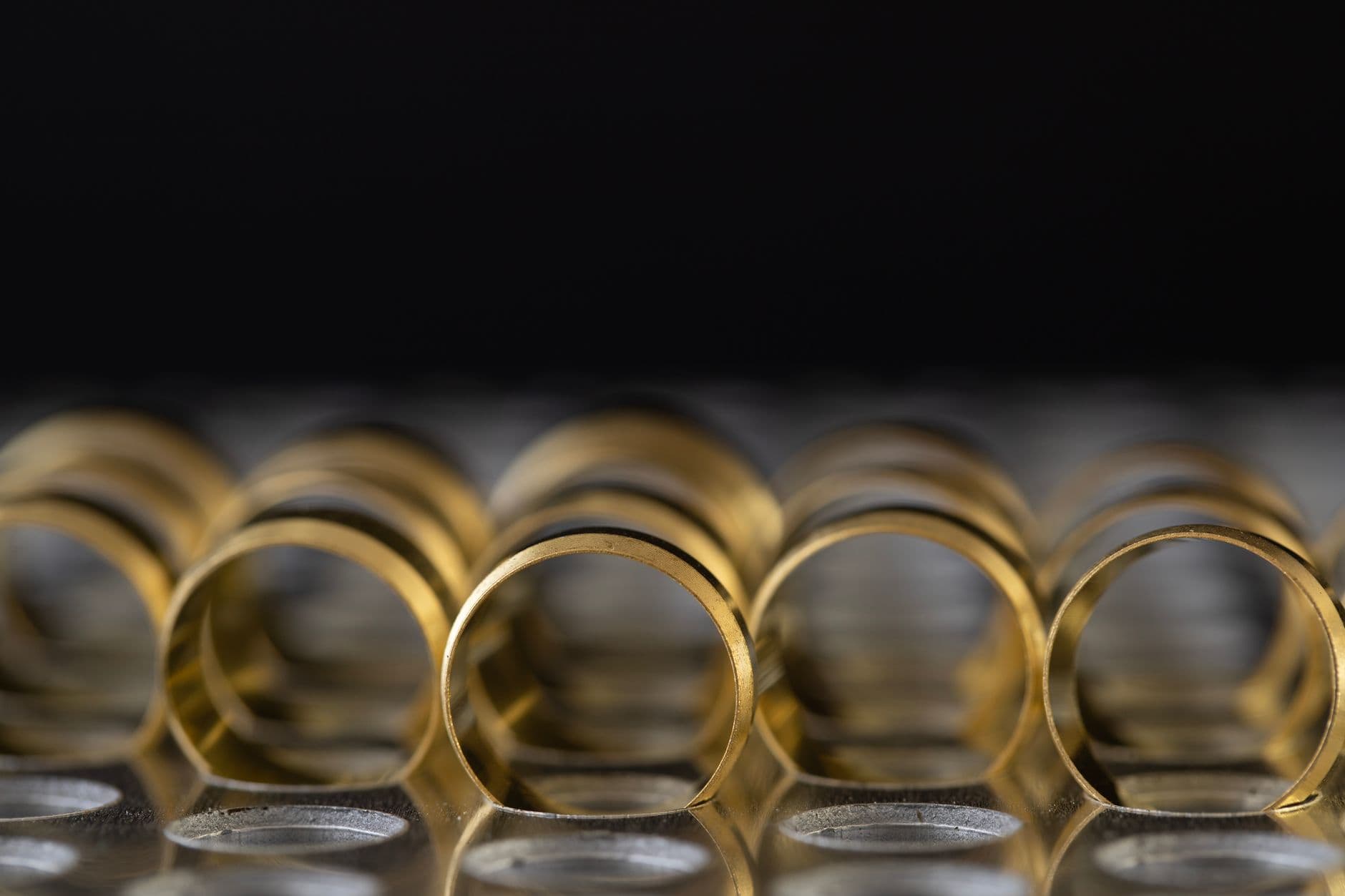
Part of Mejuri’s credibility comes from the way it defines materials. The company describes gold vermeil as a thick layer of 18k solid gold on sterling silver, a construction that carries more substance than simple plating and helps explain why the pieces can sit comfortably in the fine-jewelry category while still remaining comparatively affordable. That matters in a market where shoppers are becoming more fluent about what they are paying for and less willing to overpay for thin finishes dressed up as luxury.
The brand also backs the collection with a two-year warranty against workmanship defects, which reinforces the idea that accessible pricing does not have to mean disposable product. In everyday jewelry, reassurance is part of the value proposition. A ring that will be worn in stacks, in rotation, and probably in transit between errands and dinners needs to hold up to repeated use, not just look good in a campaign image.
Why the launch landed now
Mejuri’s timing is telling. WWD has recently characterized the brand as leaning further into sterling silver, gold vermeil, and natural and lab-grown stones as consumer confidence softens, which suggests the Puzzle line is not an isolated hit but part of a broader recalibration. In a less exuberant market, price sensitivity becomes inseparable from aspiration, and Mejuri has responded by making its entry points lower without abandoning the polished, premium look that keeps it aspirational.
That is the core lesson of Puzzle. The collection works because it respects the way people actually build jewelry wardrobes now: one ring, then another, then a stack that feels like a private archive of taste and timing. Mejuri has made personalization feel easy enough to buy on a whim, and in doing so, it has turned everyday jewelry into a repeatable luxury habit.
This article was produced by Prism’s automated news system from verified source data, official records, and press releases, then run through automated quality and moderation checks before publishing. The system is built and supervised by the people who set the standards it runs under. Read our full AI policy.
Did this article answer your question?