Met Gala 2026 Turns Jewelry Into The Night’s Storytelling Centerpiece
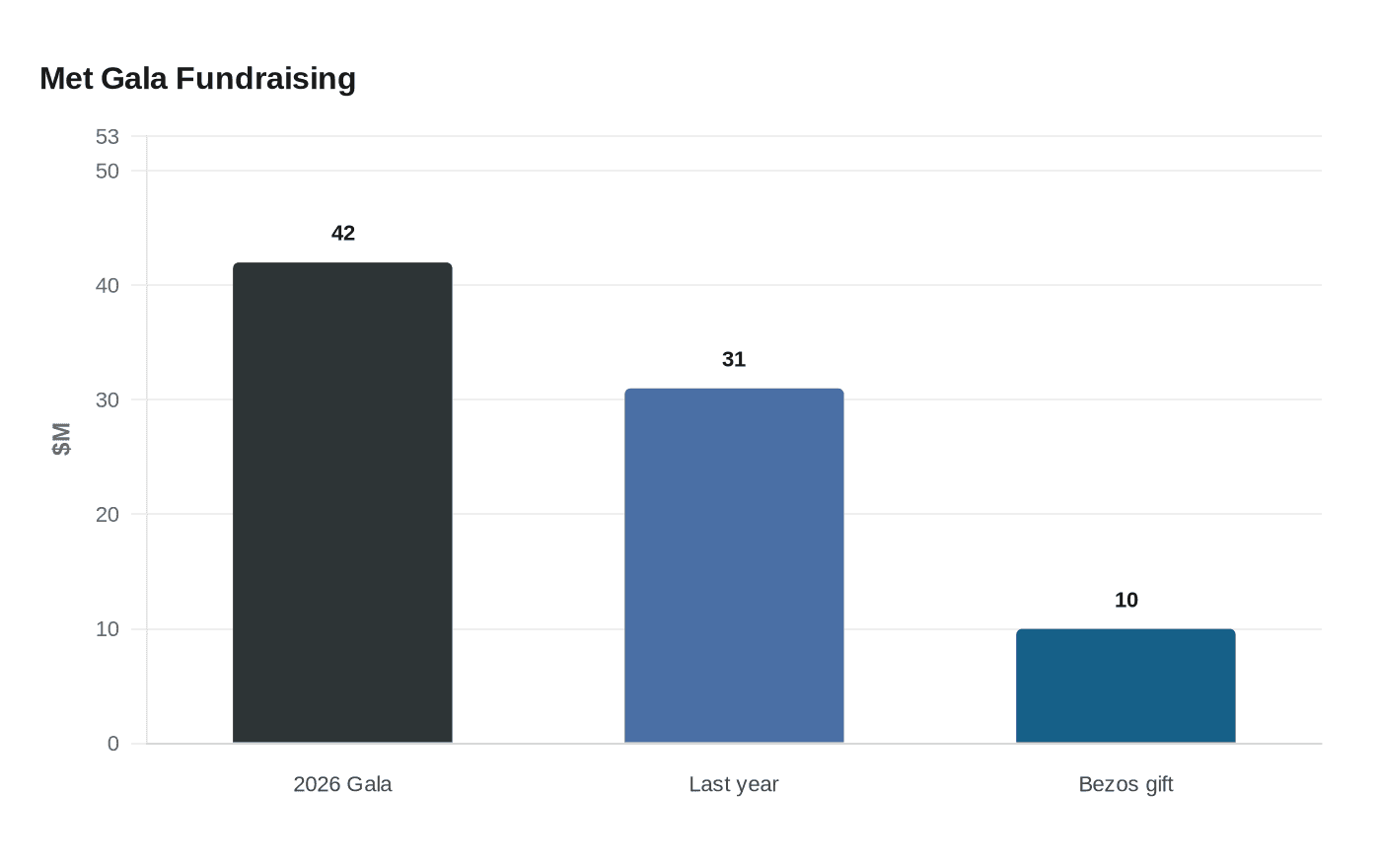
Diamonds traced collarbones, hands and shoulders as the Met Gala raised a record $42 million and made body-conscious jewelry the night’s clearest style story.
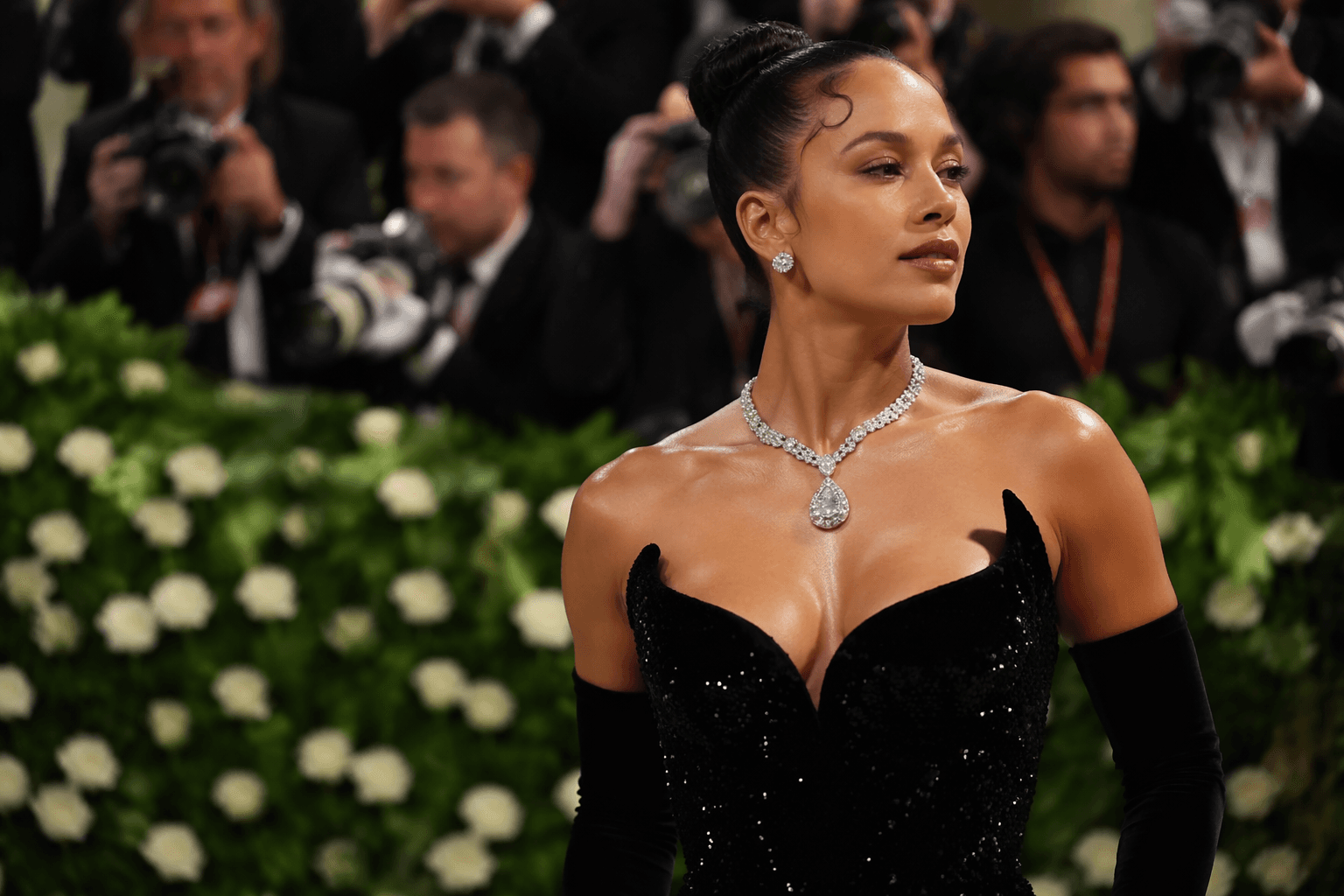
Jewelry did not sit on the sidelines at this year’s Met Gala. It framed necklines, climbed wrists and spilled across shoulders, turning diamonds, colored gemstones and gold into the evening’s sharpest language of storytelling.
The gala, held Monday, May 4, 2026, raised a record $42 million for the Metropolitan Museum of Art’s Costume Institute, up from $31 million last year. Jeff Bezos and Lauren Sánchez Bezos contributed $10 million as honorary chairs and lead sponsors, a role that drew criticism and boycott calls even as it brought more attention to the museum’s biggest fundraiser. The Costume Institute says the benefit, held annually on the first Monday in May, remains its primary source of funding.
That money now supports Costume Art, the spring 2026 exhibition opening May 10 in the museum’s nearly 12,000-square-foot Condé M. Nast Galleries. Built around the relationship between clothing and the body, the show pairs garments from The Met’s collection with artworks to reveal how the dressed body has been depicted across the museum’s holdings. It is also a reminder of the institution’s long arc, from the Museum of Costume Art founded in 1937 by Irene Lewisohn, to its merger with The Met in 1946, to its becoming a curatorial department in 1959.
The carpet reflected that thesis. Beyoncé made her first Met appearance in a decade in an embellished Olivier Rousteing skeleton gown with Chopard high jewelry, a look that made structure and ornament feel inseparable. Janelle Monáe, Sarah Paulson, Sabrina Carpenter and Zoë Kravitz also leaned into jewelry that worked with the body’s architecture rather than hiding it. Emily Blunt’s pearl body necklace, reported at about $500,000, pushed the idea further, while Sudha Reddy wore a personal collection piece anchored by a 550-carat Queen of Merelani tanzanite, the sort of stone that reads as both spectacle and inheritance.
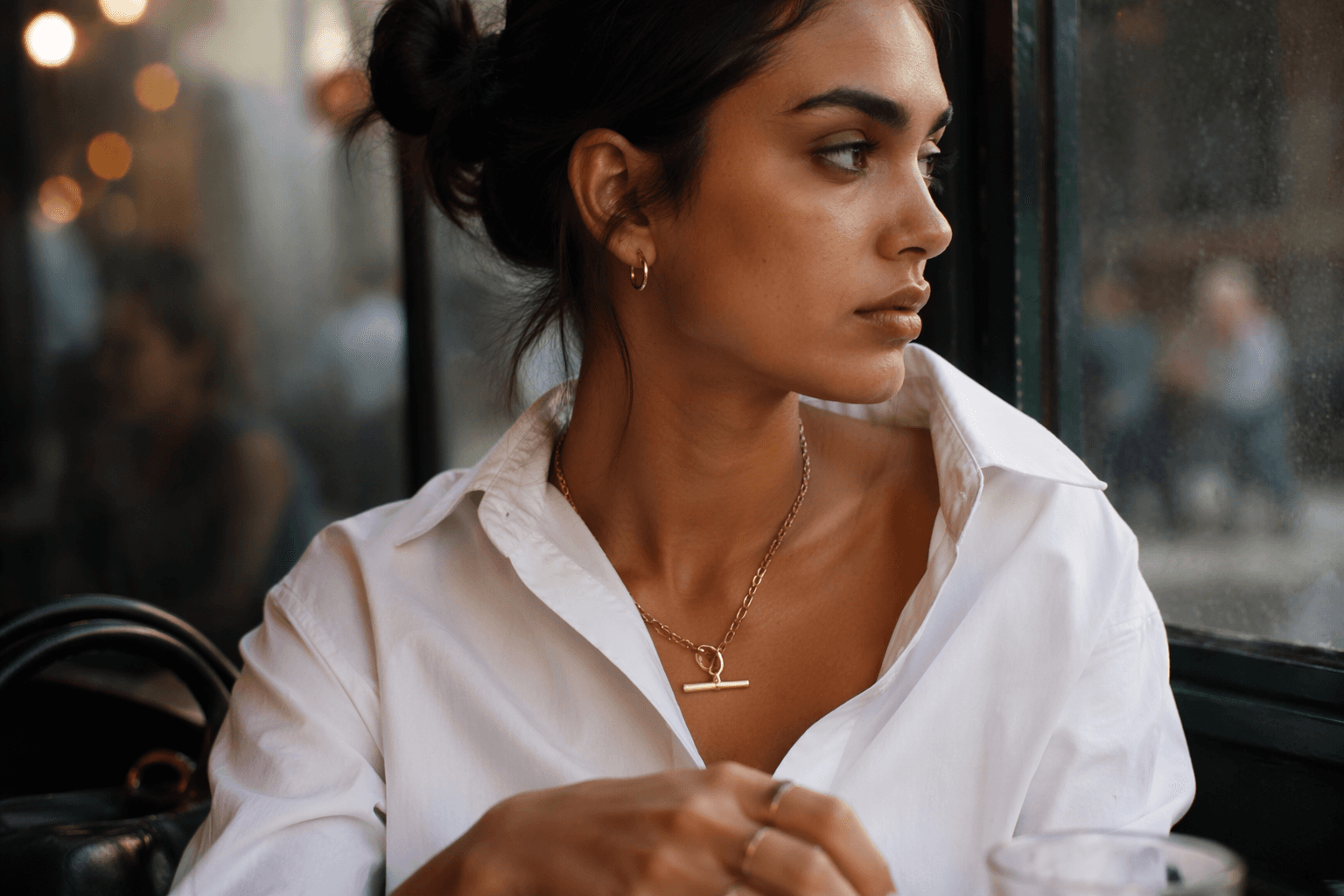
What felt most persuasive was not the size of the jewels but their placement. Collarbone emphasis, hand stacks and shoulder-grazing pieces signaled a styling direction with real runway-to-real-life potential, because those gestures can work with a slip dress, a crisp blazer or an open neckline without overwhelming them. The more theatrical body jewelry will stay tied to the Met’s scale, but the evening’s lasting message was simpler: the body is back as jewelry’s best canvas.
This article was produced by Prism’s automated news system from verified source data, official records, and press releases, then run through automated quality and moderation checks before publishing. The system is built and supervised by the people who set the standards it runs under. Read our full AI policy.
Did this article answer your question?