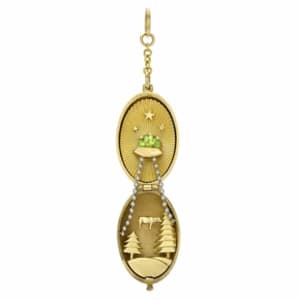
Modern heirlooms, jewelry designed to carry daily essentials
Modern heirlooms turn jewelry into daily carry, borrowing from the chatelaine to hold keys, scent flasks, and other essentials without losing polish.
Why a modern heirloom belongs in the weekday wardrobe
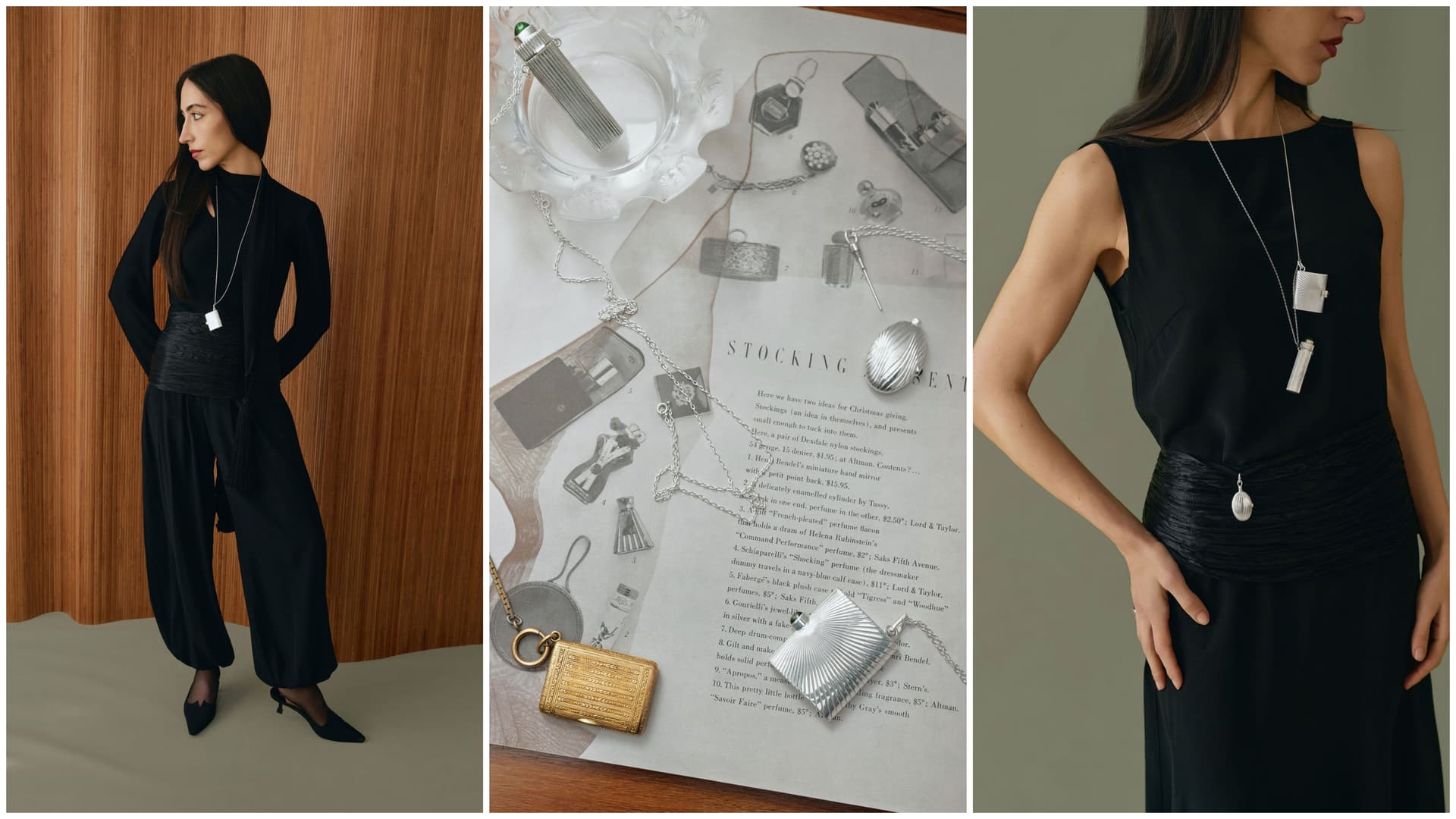
The strongest jewelry right now is not waiting for a wedding or a gala. It is the piece that can hold a key, a scent flask, or a tiny notebook, then look just as right with a white shirt and jeans as it does with something dressier. Alexis Badiyi’s modern heirlooms make that argument clearly: jewelry earns its place when it lives in the real world.
The chatelaine was built for daily life
Long before the phrase modern heirloom entered the style conversation, the chatelaine did the job. Worn by both men and women, it first appeared in the 16th and 17th centuries and became especially popular in the 18th century. By the 19th century, the form usually had a central decorated clip attached to a belt or waistband, with chains carrying useful objects like watches, keys, scissors, tweezers, magnifying glasses, wax holders, pencils, notebooks, scent flasks, seals, writing tablets, and purses.
The Metropolitan Museum of Art describes early examples as chains with attached items such as a cross and keys, while the Victoria and Albert Museum notes that the older 18th-century term for the accessory was often equipage. That detail matters, because it reminds you this was never just decorative excess. It was beauty made to work, an ornament that solved the small problems of the day.
Why the idea feels fresh now
Badiyi’s collection fits a mood shift that is bigger than one designer. Readers are moving away from jewelry that exists only for a special date on the calendar and toward pieces that feel personal, useful, and collectible all at once. The appeal is not nostalgia for its own sake. It is the promise that fewer purchases can do more, especially when each one carries some memory, some function, or some trace of handwork.
That is why the chatelaine still feels contemporary. The form is structured enough to read as intentional, but flexible enough to hold whatever daily life demands. It can be a pendant with a job, a chain with a purpose, or a small cluster of objects that turns a belt loop or waistband into a private inventory of essentials.
How to wear one without turning it into costume
The easiest way to make an heirloom-style jewel look modern is to let it do one thing at a time. Choose a single piece with visible hanging elements, then keep the rest of the look clean: a crisp knit, straight denim, tailored trousers, a simple dress, or a plain shirt with sleeves rolled. The contrast keeps the jewelry from feeling theatrical and lets the craftsmanship stay in focus.
- Pair one ornate piece with basics in solid colors. A decorative chain looks sharper against black, white, navy, or washed denim than it does with more ornament.
- Keep the silhouette readable. If the jewel is detailed, let the clothing line stay simple so the eye lands on the clip, chain, or charm.
- Use one sentimental piece as the anchor. A vintage-feeling pendant, a heirloom brooch worn at the waist, or a chain that carries keys can supply personality without requiring a full antique look.
- Repeat the metal elsewhere, but sparingly. A single echo in a ring, cuff, or watch keeps the outfit coherent without overloading it.
This approach is what makes modern heirlooms feel practical rather than precious. They are not asking to be preserved in a box. They are meant to move through coffee runs, commutes, dinners, and errands, which is exactly where their character shows up.
Materials that tell you the piece was made to last
Craft matters here, because a piece designed for everyday wear has to survive everyday handling. Museum examples show that chatelaines and related ornaments could be made in cut steel, gilt metal, silver, gold, and enamel, all of which bring a different kind of presence. Cut steel, in particular, was fashionable around 1800 and appeared not only in jewelry but also in buttons, buckles, sword hilts, and watch chains, which tells you how closely ornament and utility were linked.
That range of materials is useful as a guide when you are evaluating a modern version. Look for a secure central clip, chains that move cleanly, and attachments that feel purposeful rather than decorative clutter. The best pieces have a clear hierarchy, with one focal point and a few supporting elements, so the whole design reads as considered rather than busy.
The museum record also underscores how long the form has circulated. The Victoria and Albert Museum holds an example dated circa 1765-1775 from the West Midlands, while The Metropolitan Museum of Art dates one collection piece to the fourth quarter of the 19th century. Together they show a design that kept adapting without losing its core idea: adornment that earns its place by doing work.
The case for modern heirlooms
Modern heirlooms resonate because they answer a real problem in dressing. People want fewer things, but better things. They want a jewel that can carry a daily essential, hold up to repeated wear, and still feel special enough to pass along one day. That is a higher standard than simple trendiness, and it is why these pieces feel persuasive now.
Badiyi’s framing is smart because it does not ask jewelry to choose between usefulness and beauty. It insists on both. In that balance lies the appeal of the modern heirloom: a piece that can clip, carry, and sparkle at once, making the everyday feel a little more composed and a lot more intentional.
This article was produced by Prism’s automated news system from verified source data, official records, and press releases, then run through automated quality and moderation checks before publishing. The system is built and supervised by the people who set the standards it runs under. Read our full AI policy.
Did this article answer your question?