Vermeil gains momentum as gold prices drive demand for affordable luxury
Gold's record run is pushing vermeil into the sweet spot: a real sterling-silver base, a thicker gold layer, and a more transparent buy than vague plating.
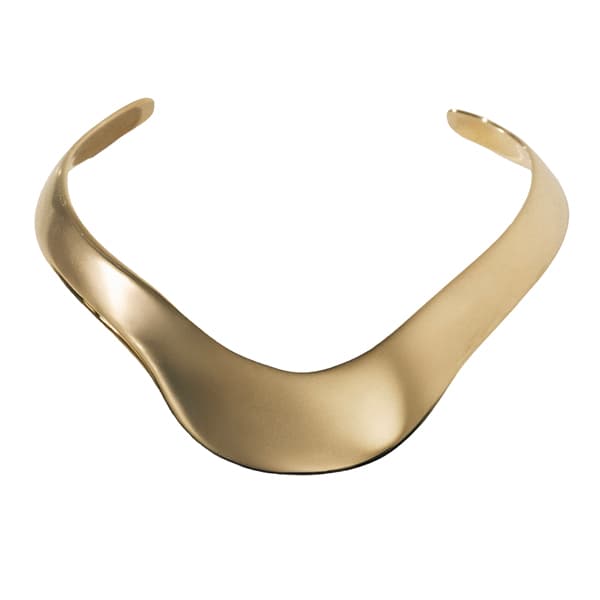
Why vermeil is suddenly the smart gold look
Vermeil has moved from niche alternative to practical luxury because the math around gold has changed. JCK has argued that thicker plating, better finishes, and stronger construction are lifting the category just as shoppers want pieces that work for handwashing, cooking, gym sessions, humidity, weddings, and summer travel without solid-gold pricing.
The timing matters. The World Gold Council said total gold demand in 2025 topped 5,000 tonnes for the first time, while the value of that demand hit US$555 billion, up 45 percent year over year. Gold also set 53 new all-time highs in 2025 and was trading around $4,682.32 per ounce on April 6, 2026, which explains why vermeil now feels less like a compromise and more like a considered middle ground.
What vermeil actually is
Vermeil is not a vague marketing word when it is used correctly. The Federal Trade Commission says vermeil must have a sterling silver base, be coated on all significant surfaces with gold or a gold alloy of at least 10 karats, and meet a minimum thickness of 100 millionths of an inch, about 2.5 microns. That definition is what separates vermeil from generic gold-plated jewelry, where the base metal, gold content, and coating thickness can be much less transparent.
That clarity is exactly why the FTC Jewelry Guides matter. The agency says the guides are designed to help consumers get accurate information when shopping for gemstones, pearls, precious metals, and imitation pieces, which makes vermeil a useful test case for how labeling should work in the jewelry aisle. If a brand says vermeil but will not specify sterling silver, gold fineness, and thickness, the claim is incomplete.
How to spot a quality piece
Good vermeil feels more like a finished jewelry category than a shortcut. Look for brands that name the sterling silver base, specify the gold layer in 10 karat terms or higher, and tell you the thickness in microns or in the FTC standard of 100 millionths of an inch. JCK’s reporting on the category also points to the details that are raising the bar now: more sophisticated finishes, better weight, and stronger construction.
A quality piece should look intentional from every angle, not simply yellow on the surface. In practice, that means clean joins, secure clasps, well-finished backs, and proportions that do not feel flimsy once the piece is on the body. When a vermeil necklace or pair of hoops looks substantial enough to belong beside solid gold, you are seeing the effect of better engineering, not just a brighter coating.
- Ask whether the base metal is sterling silver, not brass or a mystery alloy.
- Check whether the gold layer is at least 10 karat and whether the thickness is stated.
- Look for details on weight, clasp quality, and finishing, especially on chains and hoops.
- Treat vague language like “gold tone” or “luxury plated” as a sign to keep asking questions.
Where vermeil fits in everyday wear
Vermeil makes the most sense when you want the gold look often enough to justify better construction, but not often enough to justify solid gold prices. That is why it has become attractive for everyday jewelry, especially pieces you might wear several times a week: a slim chain, small hoops, a pendant you rotate with other favorites, or a bracelet that needs to hold up in real life without becoming a financial commitment.
The travel argument is just as persuasive. Forbes has long made the case for leaving expensive jewelry at home when you travel so you can move more worry-free, and vermeil lets you bring a polished look without packing pieces that feel too precious to wear in summer heat, around water, or in unfamiliar places. For weddings and destination events, it also solves a familiar problem: you can have a luminous finish in photos without carrying solid gold every time you change outfits.
When vermeil beats gold-plated, and when solid gold still wins
If the choice is between vermeil and gold-plated jewelry, vermeil usually wins for anyone planning real wear. The sterling silver base gives it a more substantial foundation, and the FTC standard requires a thicker, more specific gold layer than the loose language often attached to gold-plated pieces. That is why vermeil can feel like the safer, more transparent purchase when you want something that looks elevated and is built with real standards behind it.
Solid gold still has the edge for the hardest-working pieces. If you are buying a ring or chain you plan to sleep in, sweat in, and wear for years with minimal worry, solid gold remains the more durable long-term investment. Vermeil is the smarter answer when you want everyday polish, a clearer label, and a lower entry point, but do not need an heirloom-grade metal all at once.
Why retailers are leaning in
This shift is not just about shoppers. JCK notes that many brands are now making the same designs in both solid gold and vermeil, which creates a two-tier strategy that works on the sales floor and in the warehouse. Brands can test a design in vermeil before committing to solid gold inventory, keep accessible versions in the assortment, and still give customers a path to trade up later.
That strategy fits a luxury market that is no longer growing on autopilot. Bain & Company and Altagamma, with analysts including Claudia D’Arpizio, Federica Levato, Joëlle de Montgolfier, and Hélène Glaser, put the personal luxury goods market at about €358 billion in 2025 after €364 billion in 2024, while jewelry remained one of the stronger categories. In that landscape, vermeil is not a consolation prize; it is a smart way to give shoppers the gold look, clearer standards, and a price that does not force a choice between beauty and prudence.
For anyone building an everyday jewelry wardrobe, that is the real appeal. Vermeil offers the shine of gold, the credibility of a defined standard, and enough affordability to wear without hesitation, which is exactly why it is moving from substitute to staple.
This article was produced by Prism’s automated news system from verified source data, official records, and press releases, then run through automated quality and moderation checks before publishing. The system is built and supervised by the people who set the standards it runs under. Read our full AI policy.
Did this article answer your question?