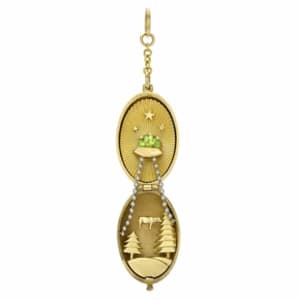
Mother’s Day jewelry spending to hit $7.5 billion, NRF says
Jewelry led Mother’s Day spending at $7.5 billion, as 45% of consumers planned to buy a piece that feels less like a trinket and more like a keepsake.
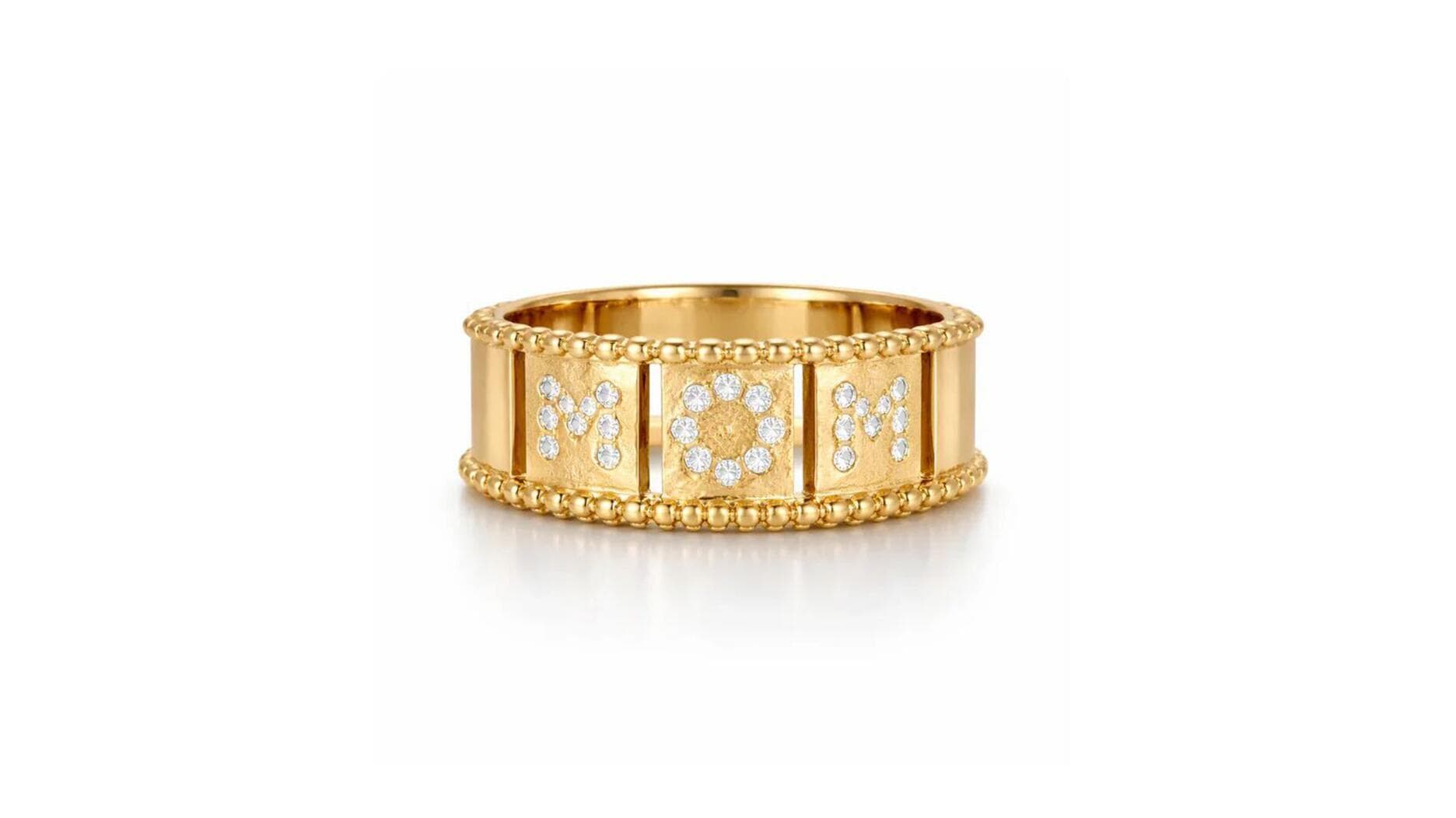
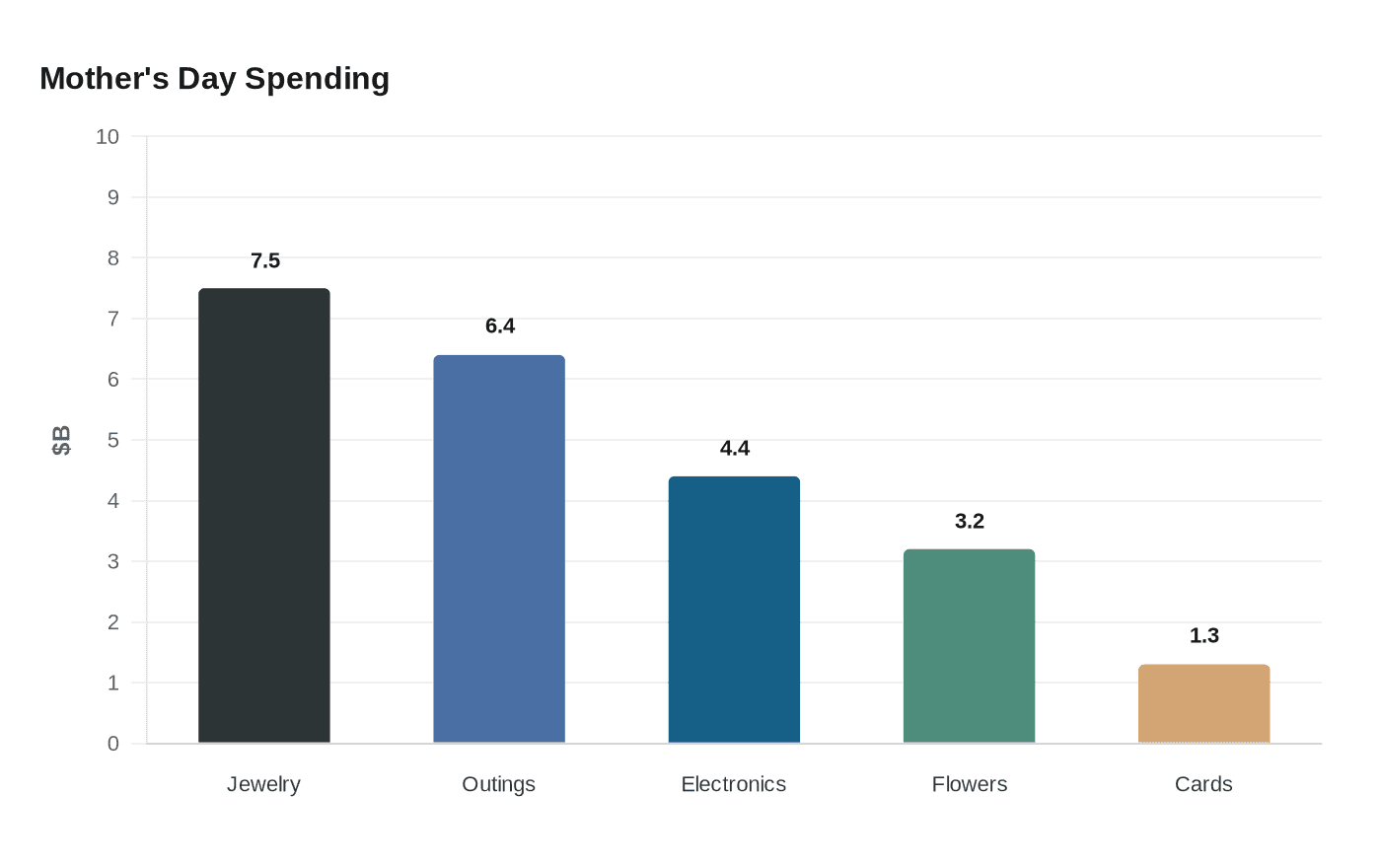
Jewelry is set to dominate Mother’s Day spending, with the National Retail Federation projecting $7.5 billion in purchases and 45% of consumers planning to buy a piece. That puts jewelry at the top of the holiday by dollars spent, a striking sign that shoppers still treat a ring, bracelet, necklace or pair of earrings as money well placed on a gift that can outlast the bouquet.
The broader Mother’s Day market was headed for a record $38 billion, up from $34.1 billion in 2025 and above the previous high of $35.7 billion set in 2023. The average consumer was expected to spend a record $284.25, and 84% of U.S. adults planned to celebrate the holiday, suggesting that even in a more cautious spending climate, sentimental purchases were still commanding real budgets.
Mark Mathews, the NRF’s chief economist and executive director of research, said consumers were “gifting from the heart” and leaning into Mother’s Day despite economic uncertainty. Phil Rist, executive vice president of strategy at Prosper Insights & Analytics, said consumers were budgeting more and shopping across more gift categories. That combination helps explain why jewelry remains so powerful: it can carry emotional weight, but it also reads as a lasting object rather than an impulse buy.
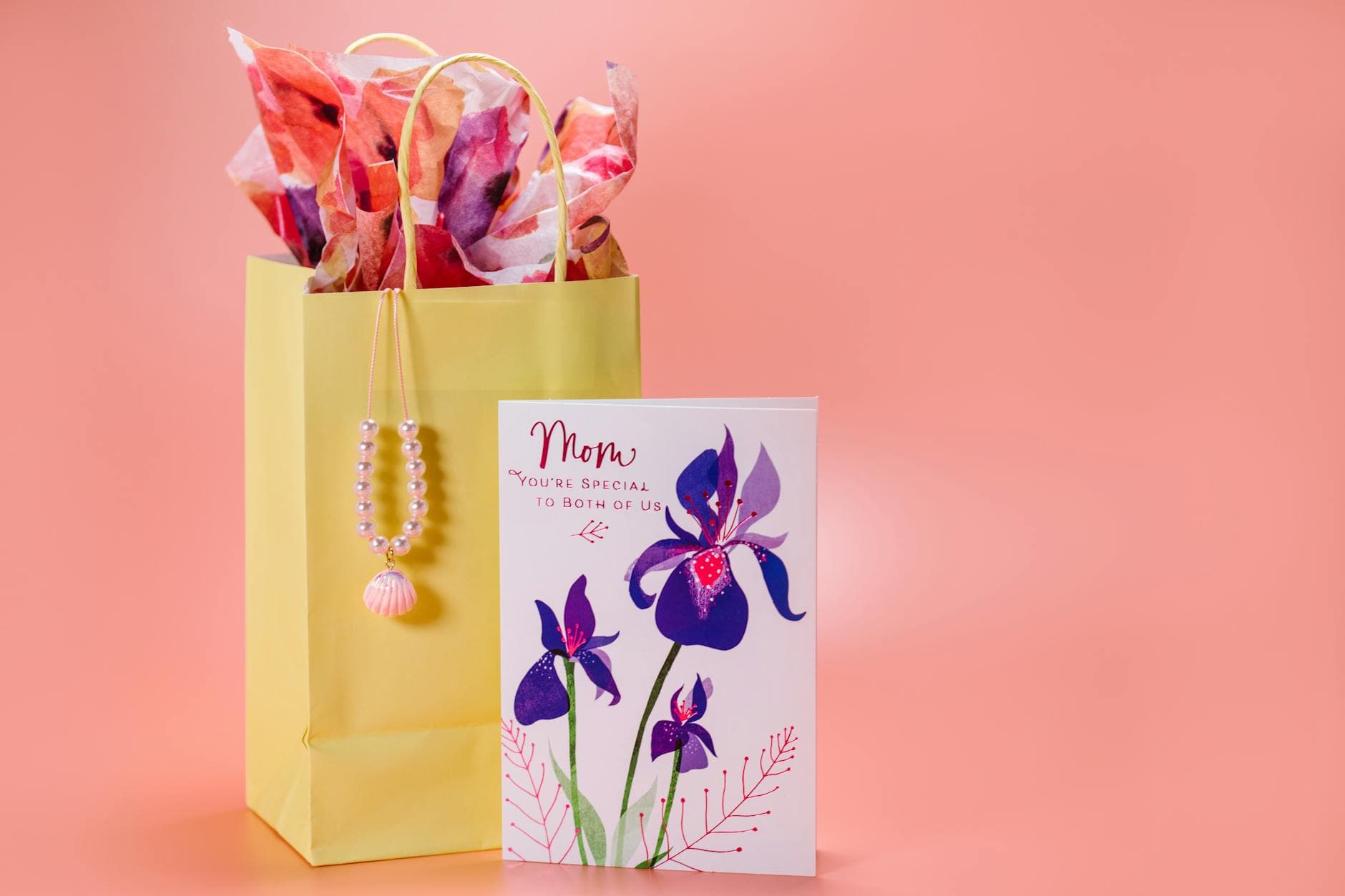
The category’s advantage is not just sentiment. Flowers were the most popular gift by participation at 75%, followed closely by greeting cards at 74%, but their dollar totals were far smaller. Special outings were projected at $6.4 billion, electronics at $4.4 billion, flowers at $3.2 billion and greeting cards at $1.3 billion. Jewelry’s $7.5 billion lead shows how often shoppers reserve their largest line item for something they expect a mother to keep, wear and remember.
Retailers are likely to benefit from that logic across channels. Online and department stores were tied as the top shopping destinations at 33% each, followed by specialty stores at 29% and discount stores at 26%. The National Retail Federation and Prosper Insights & Analytics surveyed 7,948 U.S. adults from March 31 to April 7, with a margin of error of plus or minus 1.1 percentage points, and NRF has tracked Mother’s Day shopping since 2003. This year’s numbers make one thing clear: jewelry is not a fringe indulgence for the holiday, but its clearest expression of value, memory and intent.
This article was produced by Prism’s automated news system from verified source data, official records, and press releases, then run through automated quality and moderation checks before publishing. The system is built and supervised by the people who set the standards it runs under. Read our full AI policy.
Did this article answer your question?