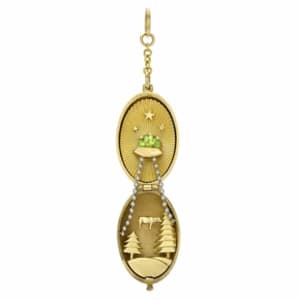
TwentyFour’s Vault charm reimagines the locket for digital memories
TwentyFour’s Vault charm turns a locket into a private digital archive, pairing recycled gold with tap-to-open memories you can actually wear every day.
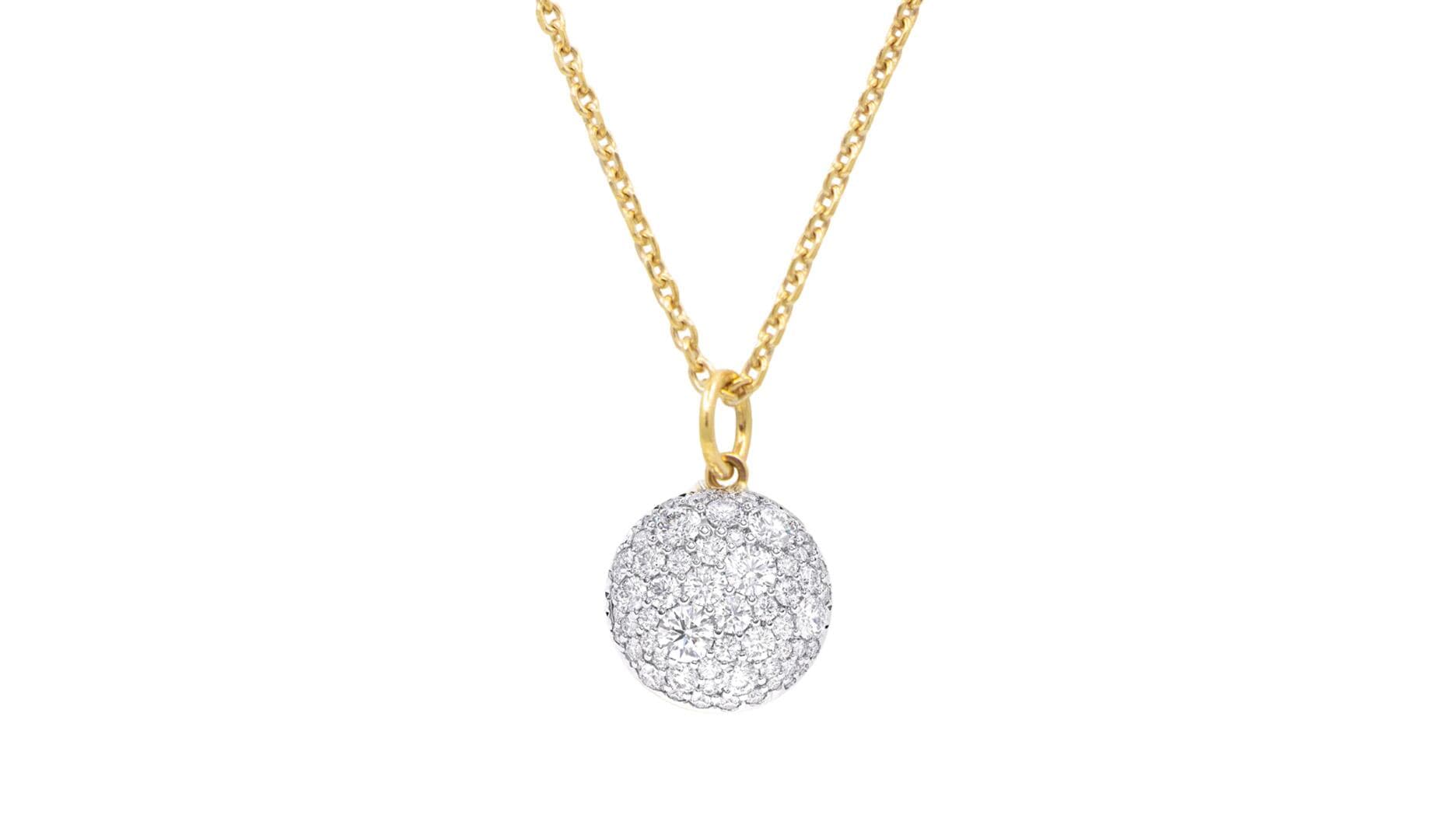
TwentyFour’s Vault charm takes the oldest trick in sentimental jewelry, the hidden keepsake, and gives it a digital mechanism without stripping away the romance. At $2,150, the handmade New York City charm is less a novelty accessory than a serious argument that memory itself can be part of the value of fine jewelry, especially when it is cast in 100% post-consumer recycled gold and designed to live on the body.
A locket built for the way memory lives now
Vault works through NFC technology, so a simple tap to a phone opens a private page containing photos, voice notes, handwriting samples, playlists, songs and short videos. TwentyFour describes it as "the locket of the digital age," and the phrase lands because the piece preserves the intimacy of a locket while updating the storage medium. Instead of a single photograph tucked behind a hinged frame, Vault can hold an entire personal archive, curated for the owner alone.
The privacy piece matters as much as the tech. TwentyFour says only the owner can view the Vault, which gives the charm the emotional discretion that traditional lockets were built on. After purchase, a team member contacts the customer to help curate the Vault and preserve the memory, turning the process into a small act of editorial selection rather than a plug-and-play download. That human layer softens the digital concept and keeps the piece from feeling like a gadget in disguise.
The material case for treating it like fine jewelry
Vault is handmade locally in New York City from 100% post-consumer recycled gold, which immediately places it in the current conversation around responsible sourcing and transparent production. TwentyFour was founded in 2020 in New York City by Lee Bridge, and the brand says its name refers to the 24 parts of pure gold, a detail that reinforces the house’s interest in goldsmithing as much as storytelling.
The charm’s total carat weight is 0.85, a modest figure that suggests the value here is not in gemstone spectacle but in craftsmanship, concept and utility. Production can take up to 15 business days, which fits the cadence of a made-to-order object rather than a mass-produced token. In a market crowded with jewelry that promises personalization through initials or engraving, Vault asks for something more intimate: the right to store a life inside the piece.
Price context matters here. The Vault charm at $2,150 sits below the Vault necklace at $2,650 and well below the Major Vault charm, which starts at $3,600. The smaller Micro Vault charm at $850 opens the idea up to a lower entry point, but the flagship charm still reads as an investment piece, not an impulse buy. What you are paying for is not only gold and labor, but the service model, the privacy architecture and the emotional utility of a jewel that is meant to be opened, revisited and lived with.
Why the locket still works, even in a digital age
Lockets have always been about compression, about fitting a large feeling into a small, wearable form. Historically, they held photos, hair, portrait miniatures and other keepsakes, and jewelry historians trace them back through relic and mourning pieces before they became sentimental photo lockets. Vault fits neatly into that lineage because it preserves the core locket idea, concealment with intention, while changing what is concealed.
That is what makes the concept stronger than a simple tech crossover. A traditional locket asks you to choose one image. Vault lets you hold a full story, and that shift mirrors how people actually preserve memory now, through a phone full of voice memos, playlists, videos and screenshots that rarely live together in one meaningful place. In that sense, TwentyFour is not inventing a new kind of jewelry so much as acknowledging that memory has already become multi-layered.
Smart jewelry has already prepared the ground
Vault also arrives in a category that has already been testing the relationship between jewelry and data. NFC-enabled pieces have appeared elsewhere in the market, and smart-jewelry products and patents have explored the idea of using a phone tap to reveal personal content. That history matters because it shows the concept is no longer futuristic; the question is whether it can be made beautiful enough, discreet enough and emotionally credible enough to matter.
TwentyFour’s answer is to keep the hardware quiet and the sentiment loud. There are no apps and no logins, just a tap to open what the brand calls your most meaningful moments. That restraint is the right instinct. The best smart jewelry does not advertise its circuitry first, it behaves like a well-made piece of jewelry that happens to carry an extra layer of memory.
What Vault suggests about personalized jewelry next
The real promise of Vault is not that every charm should become digital, but that personalized jewelry may be moving beyond visible customization and into hidden narrative. Initials and birthstones tell the world something about you. A private archive tucked inside a recycled-gold charm tells you something more useful: what you have loved, kept and chosen to remember.
That is a compelling direction for everyday jewelry, especially for pieces worn daily rather than reserved for special occasions. Vault feels persuasive because it treats memory as a luxury worth engineering, and because it understands that the most meaningful jewelry does not just decorate a life, it helps hold one together.
This article was produced by Prism’s automated news system from verified source data, official records, and press releases, then run through automated quality and moderation checks before publishing. The system is built and supervised by the people who set the standards it runs under. Read our full AI policy.
Did this article answer your question?