Natural diamonds sell best when beauty leads, jeweler says
Beauty still sells natural diamonds when craftsmanship and provenance feel concrete, not generic.
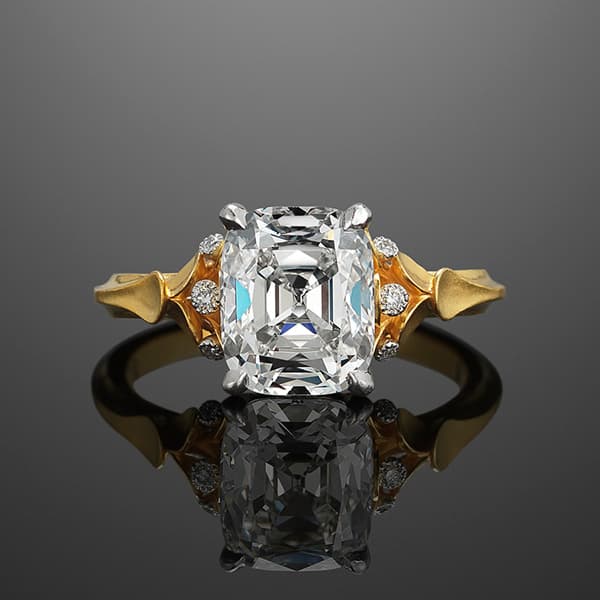
In a market crowded by lab-grown alternatives, one Berkshires jeweler is making a simple argument: the strongest case for a natural diamond is still beauty. Tim McClelland is betting that buyers do not begin with technical specs alone, but with how a stone looks, how a jewel feels on the hand, and whether the piece carries enough emotional weight to justify the price.
Beauty first, not specs first
That philosophy matters because diamond shopping has become a tug-of-war between emotion and comparison shopping. Natural diamonds are still bought as milestone gifts, but more consumers are also buying for themselves, which changes the pitch: the piece has to feel meaningful, and it has to make sense against a budget that is not infinite. McClelland’s view cuts through the noise by putting craft and visual appeal back at the center of the sale.
His own studio, TW McClelland & Daughters, gives that argument a physical form. The company says it has been handcrafting fine jewels in the Berkshire Hills since 1996 and describes itself as a “slow jewelry” atelier, built around quality over quantity and pieces intended to be passed down through generations. That is a sharper claim than generic luxury language. It suggests longevity, repairability, and emotional continuity, all of which matter when a buyer is deciding whether a diamond should be a memory, an investment, or both.
What the workshop’s materials say
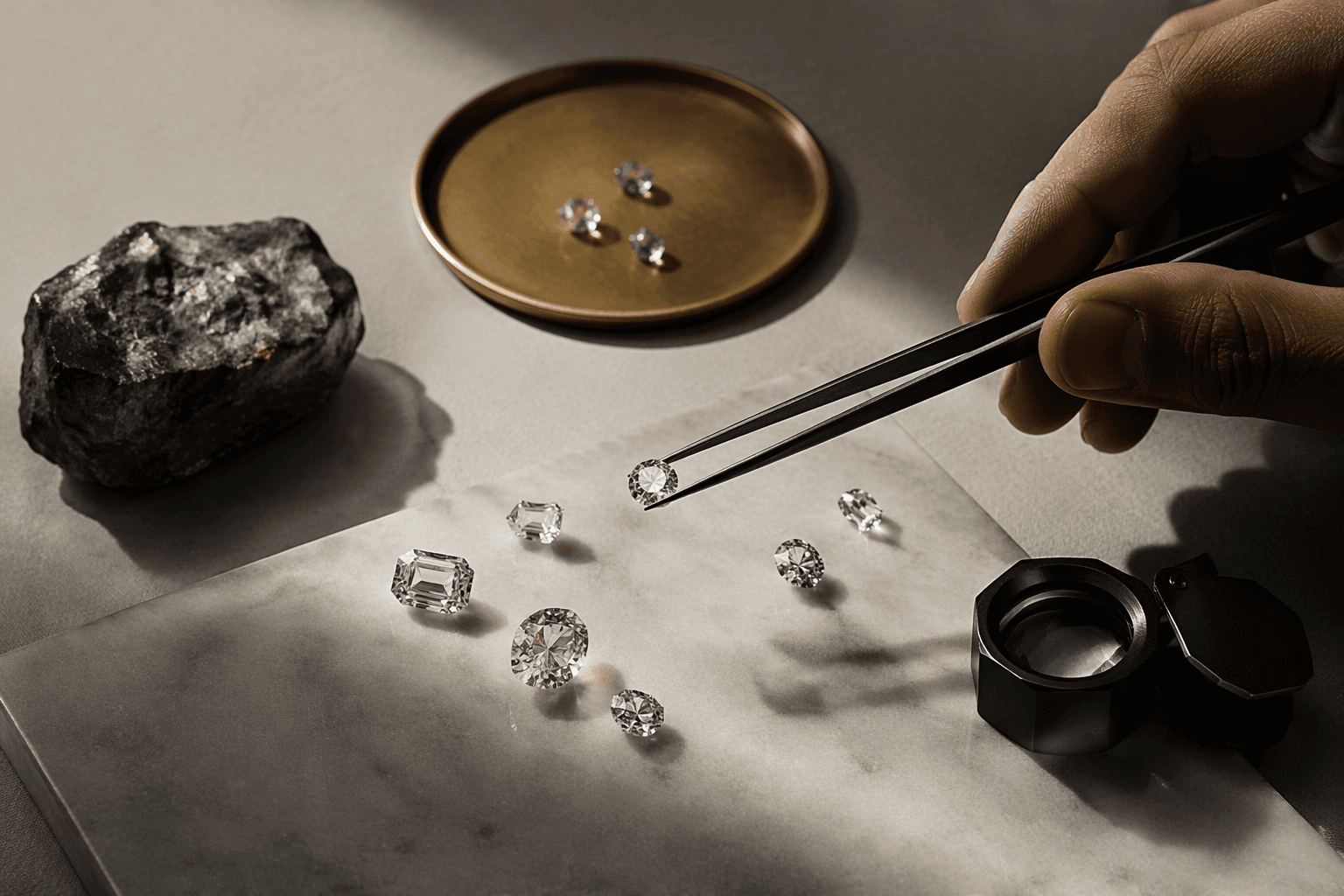
TW McClelland & Daughters also makes sustainability claims that are specific enough to judge. The studio says it often uses recycled metal and stones, offers parts of its Wildflower Collection in 100 percent Fairmined gold, and repurposes antique-cut diamonds because hand-cut stones bring a distinct beauty that modern mass production cannot mimic. Those are not vague promises about being “eco-conscious.” They are concrete sourcing and fabrication choices.
That distinction is important. Recycled metal reduces the need for newly mined material. Fairmined gold adds a certification buyers can actually look for, rather than a loose environmental claim. Antique-cut diamonds, meanwhile, give the piece a different visual character, often with softer, less uniform facets than modern precision cuts. In a market full of polished talking points, those details make the sustainability story feel real instead of decorative.
McClelland’s own background reinforces why that approach sounds credible rather than trendy. He was born in Detroit in 1957, studied metalworking in high school, trained at Boston University’s Program in Artisanry, and worked as a bench jeweler at Shreeve Crump & Low. He later spent 23 years as head jeweler and designer at McTeigue & McClelland Jewelers before continuing his work in the Berkshires after that firm closed in 2020. That path explains a maker who talks less like a marketer and more like a craftsman who has spent decades at the bench.
Why the market is still listening
The broader market gives his message real weight. The Natural Diamond Council’s Natural Diamond Trends: A 2024 Overview, published February 5, 2025, drew on data from more than 2,000 specialty retail jewelers in the United States through Tenoris. It found that natural-diamond buyers still prize the category as an emotional gift for life milestones, even as self-purchasing grows. That is the key tension in today’s diamond market: sentiment still matters, but the buyer is increasingly the gift giver and the gift receiver at the same time.
The same report shows that taste is shifting, even if the category remains anchored in tradition. Round diamonds still accounted for 82 percent of center stones in natural-diamond jewelry sold in 2024, but fancy shapes such as ovals and marquises gained share. VS-clarity stones are becoming more popular, and consumers are moving beyond the 1-carat comfort zone toward larger center stones. In other words, buyers still like the classic look, but they are also looking for a little more individuality and a little more presence.
Pricing tells a more complicated story. Bridal diamond jewelry accounted for 33 percent of all natural-diamond jewelry sales in 2024, the average price of natural-diamond jewelry rose 2.7 percent to $2,360, and the average price of wedding sets rose 31 percent. That combination points to a market where buyers are spending more selectively, often on bigger stones and more expensive metals, even as they remain sensitive to value. The category is not being bought on habit alone. It is being justified.
The same emotional logic shows up in the mall
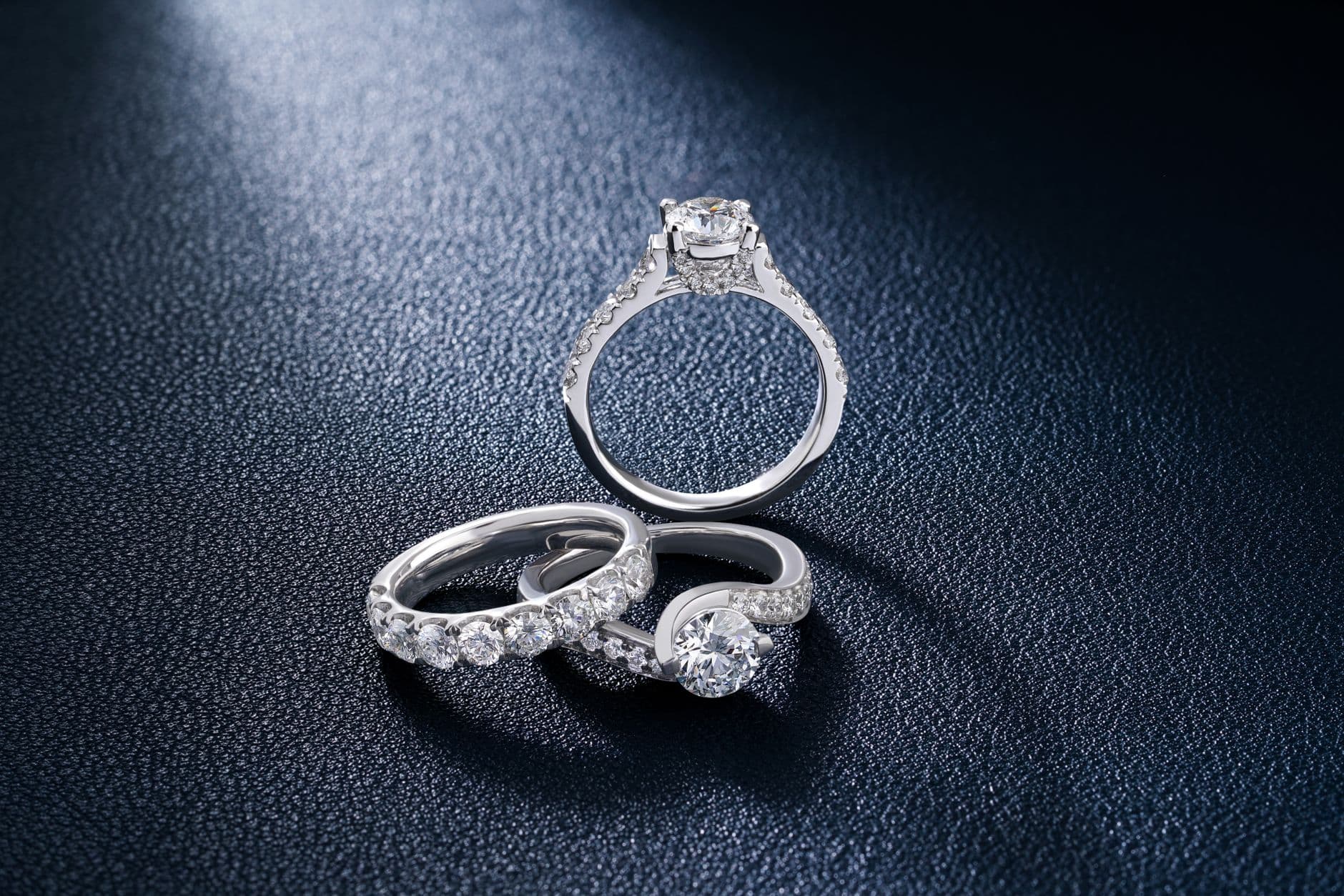
McClelland’s view is hardly isolated. KAY Jewelers launched its Milestones Natural Diamond Collection on September 30, 2024, with rings, pendants, and earrings built around relationship milestones. The line ranged from $499.99 to $8,799.99 and was sold online and in all KAY stores. That is a mainstream version of the same emotional strategy: frame a diamond not as a spec sheet, but as a marker of a promotion, anniversary, engagement, birth, or personal achievement.
The fact that a mass-market chain is selling natural diamonds through milestone language says something important about where the category still works. Even in an era of lab-grown competition, many consumers still want the story attached to the stone. They may not want the most technical explanation. They want the piece to feel significant, and they want the price to feel defensible.
What to look for if beauty is the selling point
If beauty is the pitch, the buyer still needs proof behind it. The strongest natural-diamond purchases today tend to have a few things in common:
- A visible point of view in the design, whether that means a classic round center stone or a more personality-driven oval or marquise.
- Material transparency, including recycled metal, recycled stones, or a certification such as Fairmined gold.
- Craftsmanship that signals handwork, not just branding, especially when the piece is meant to last across generations.
- A price that matches the emotional use case, since the average natural-diamond piece now sits at $2,360 and wedding sets are climbing much faster.
That is why McClelland’s beauty-first argument lands. It does not deny the reality of pricing, competition, or changing shopping habits. It simply insists that a natural diamond still sells best when it looks beautiful, feels made by human hands, and carries a story sturdy enough to survive comparison shopping.
This article was produced by Prism’s automated news system from verified source data, official records, and press releases, then run through automated quality and moderation checks before publishing. The system is built and supervised by the people who set the standards it runs under. Read our full AI policy.
Did this article answer your question?