Oura Ring 4 leads smart rings as sleek everyday wearables
Oura Ring 4 is the rare smart ring that reads like jewelry first. Samsung’s Galaxy Ring is the closest rival, but battery life and comfort still decide the wearability test.

The smart ring that finally feels like everyday jewelry
Smart rings have moved past the gadget phase and into the language of real jewelry: smooth, compact, and low enough in profile to sit beside a band ring or slim stack without shouting for attention. Rebecca Isaacs’s Forbes Vetted roundup, built on several months of testing, puts Oura Ring 4 in the sweet spot for most people because it balances polished design with meaningful health tracking.
That matters because this category only works when it disappears into the rest of your wardrobe. A smartwatch can dominate a wrist; a ring has to earn its place by looking intentional first and technical second. Oura Ring 4 does that better than most, and Samsung’s Galaxy Ring has pushed the field closer to that standard with a more jewelry-like shape of its own.
Why Oura Ring 4 feels closest to fine jewelry
Oura positions Ring 4 as a wellness companion for sleep, fitness, and stress, but its strongest appeal is visual and tactile. The company says Smart Sensing and recessed sensors make the ring sleeker, more comfortable, and more accurate than earlier versions, which is exactly the kind of engineering shift that matters when the device lives on the hand all day. Oura’s redesigned multi-sensor system also uses 18-path multi-wavelength photoplethysmography, a more technical way of saying the ring is built to read the body from the finger with greater precision.
The battery story is part of that everyday appeal. Oura says Ring 4 can last up to eight days on a single charge, then fully charge in up to 120 minutes depending on battery level. For a wearable that is meant to fade into routine, that kind of stamina changes the rhythm of use: less nightly charging, fewer reminders, and less friction if you want the ring to stay on through work, sleep, and travel.
Just as important, Oura’s design language stays restrained. The ring does not try to mimic a flashy cocktail piece or a watch face translated onto the hand. It aims for the quiet, smooth finish that lets it sit naturally in a jewelry stack, which is why it reads as the most polished option for people who want one device to move easily between gym clothes, office tailoring, and evening wear.
Samsung’s Galaxy Ring is the clearest rival
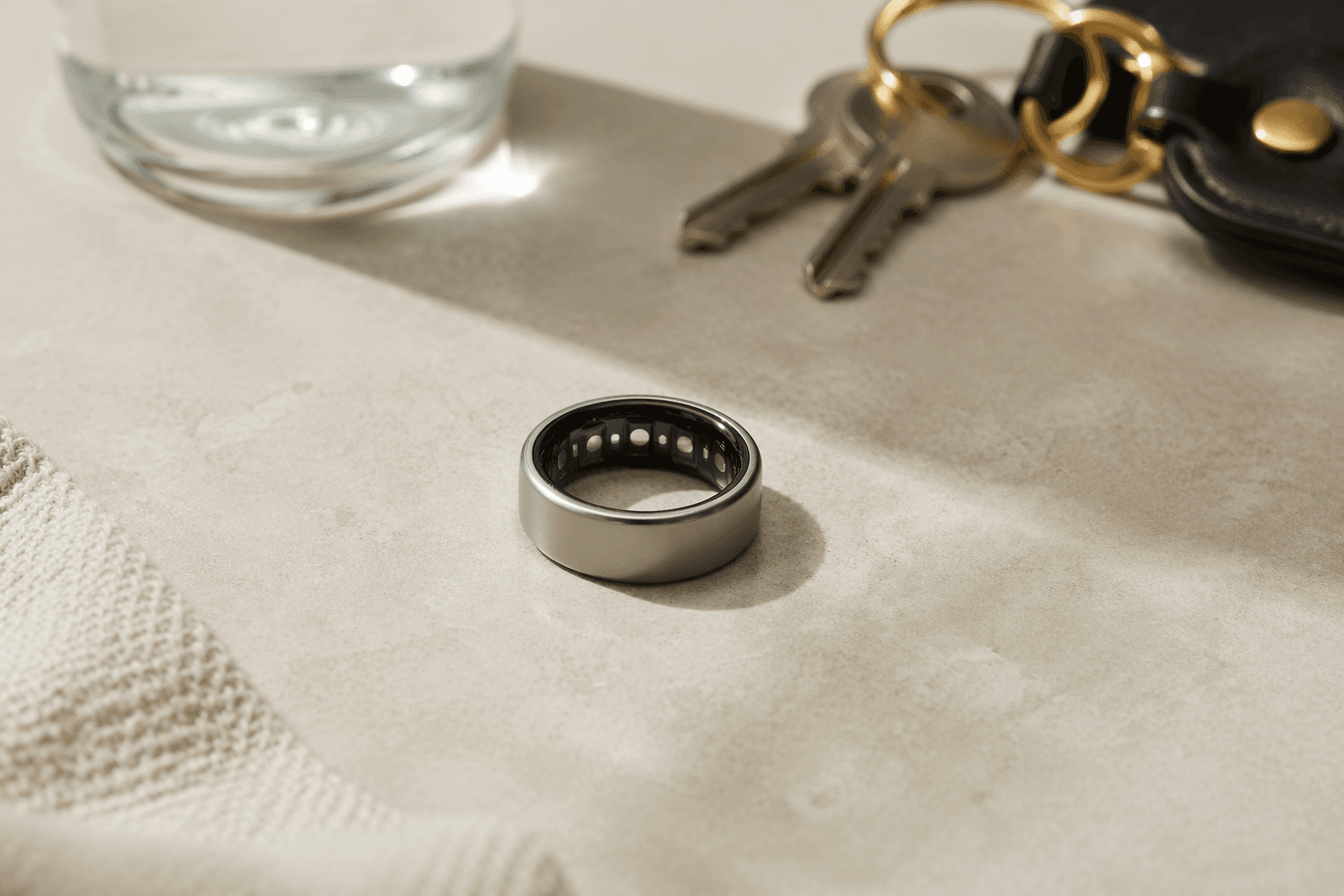
Samsung answered the category with a very different kind of authority. The Galaxy Ring was unveiled on July 10, 2024 and went on sale on July 24, 2024, and Samsung describes it as a lightweight titanium ring with three health sensors and Galaxy AI-powered wellness insights. That titanium build matters in jewelry terms because it suggests durability without excessive bulk, and Samsung adds three scratch-resistant finishes for more styling range.
Functionally, the Galaxy Ring is built to stay discreet while still watching the body closely. Samsung says it offers up to seven days of battery life and provides regular readings on skin temperature changes while you sleep. That puts it just behind Oura on endurance, but close enough that the decision becomes less about raw specs and more about which silhouette you want on your hand every day.
The Galaxy Ring also shows how serious this category has become about looking like adornment rather than gear. Titanium, scratch resistance, and a slim form are all cues borrowed from fine jewelry and modern watchmaking. Even so, it still feels more like a strong alternative than a decisive replacement for Oura, especially if battery life and comfort are the two details you notice most.
Battery life is the new luxury feature
TechRadar’s 2026 coverage captures where smart rings are heading: the best models now combine tracking sensors and NFC tech, and battery life is a key differentiator. That is a useful lens because it shows the category is no longer trying to be a miniature smartwatch. It is being sold instead as discreet fitness tracking, the kind you can wear without the visual commitment a larger wearable demands.
In practice, that means the tradeoff is not just about features. It is about how long a ring stays wearable before it becomes a charging chore, and whether its sensors remain comfortable enough to ignore during sleep. Oura’s eight-day battery claim gives it a practical edge, while Samsung’s seven-day claim keeps the Galaxy Ring in striking distance. When the difference is only a day, the better fit on your finger can matter more than the headline number.
What the category can do, and what it still is not
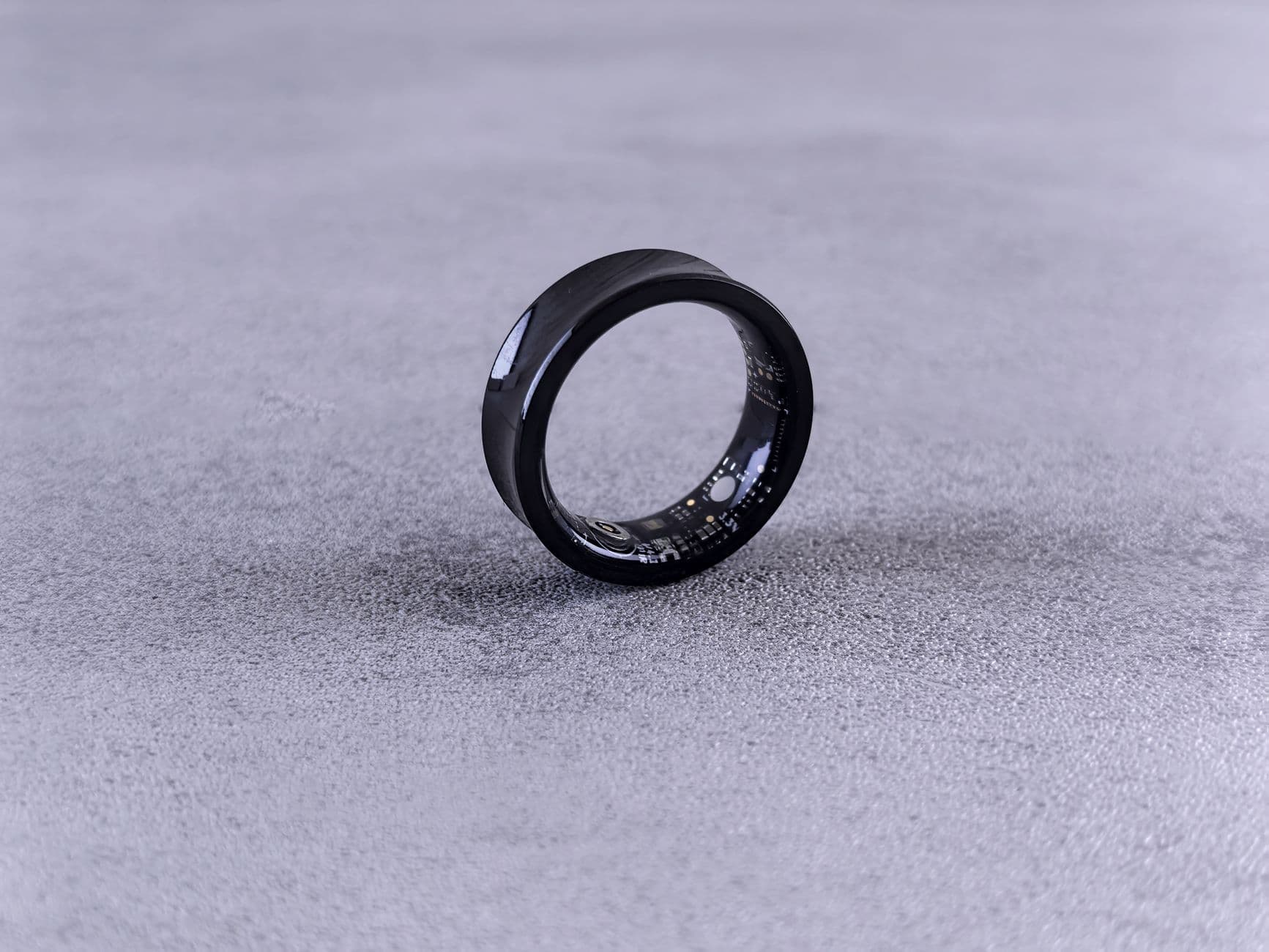
Smart rings are increasingly useful, but they are not trying to replace every other device on your body. Their strength is in quiet, continuous tracking, especially for sleep and recovery, where a ring can feel less intrusive than a watch. The best versions also bring enough design discipline to read as intentional accessories, not lab equipment with a polished surface.
That is why Oura Ring 4 leads this particular field. It looks the most ready to live alongside fine jewelry, it charges reasonably fast, and its comfort-first engineering is built into the form itself. Samsung’s Galaxy Ring is the most credible challenger, especially if you prefer titanium and want a ring that leans into Samsung Health and Galaxy AI, but Oura still has the cleaner balance of elegance and utility.
Why this category is growing so fast
The market numbers explain the momentum. Grand View Research estimates the global smart rings market at $417.5 million in 2025 and projects growth to $2.0793 billion by 2033. Its U.S. outlook reaches $395.8 million by 2033, which suggests this is still a small category, but one moving with real speed.
That growth tracks with what shoppers now want from wearable technology: less screen, more subtlety, and enough intelligence to justify the purchase. Smart rings succeed when they feel like part of your daily jewelry rotation, not a novelty you remember to charge once in a while. In that test, Oura Ring 4 currently wears the crown most convincingly, because it understands the simplest rule of everyday jewelry: if it does not look right on the hand, it will never become part of the routine.
This article was produced by Prism’s automated news system from verified source data, official records, and press releases, then run through automated quality and moderation checks before publishing. The system is built and supervised by the people who set the standards it runs under. Read our full AI policy.
Did this article answer your question?