Piaget closes Extraleganza trilogy with vivid high-jewelry collection
Piaget ended its Extraleganza trilogy with 65 high-jewelry pieces built on vivid stone pairings, transformable forms, and a tiger's-eye watch-choker that points to everyday color jewelry.
Piaget has closed its three-year Extraleganza trilogy with 65 high-jewelry pieces that feel designed to do more than sit in a vault. The final chapter, Colors of Extraleganza, released on June 16, 2026, pushes vivid gemstone combinations, sculptural gold, and wearable transformations to the front, a formula that is likely to ripple down into the smaller color-jewelry pieces buyers actually wear every day.
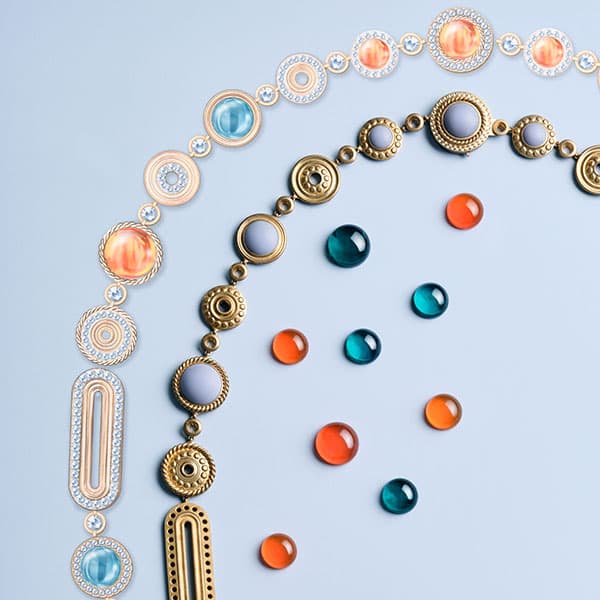
The clearest signal for the market is color pairing. Piaget says the trilogy revisits its creative golden years of the 1960s and 1970s, and artistic director Stéphanie Sivrière has framed color as central to the maison’s history, with the gemstones treated as part of a larger chromatic composition. That matters far beyond high jewelry. The most accessible versions of this aesthetic are likely to show up as tight, intentional pairings: sapphire with opal, tourmaline with warm gold, tiger’s-eye with polished metal, and bolder contrasts that make a single stone look more graphic without requiring a sprawling setting.
One of the collection’s strongest examples is the Blue Illusions necklace, which JCK said took nearly 900 hours to make and combines an 8.52-carat cushion-cut Madagascan sapphire, a 3.3-carat paraiba tourmaline, and a 13.98-carat black opal. In a smaller-price universe, that mix points to what is coming next: jewelers borrowing the same electric contrast, then scaling it into pendants, cocktail rings, and earrings where one saturated center stone is sharpened by a second or third color. The appeal is not merely carat weight. It is the tension between blues, greens, and inky darkness.
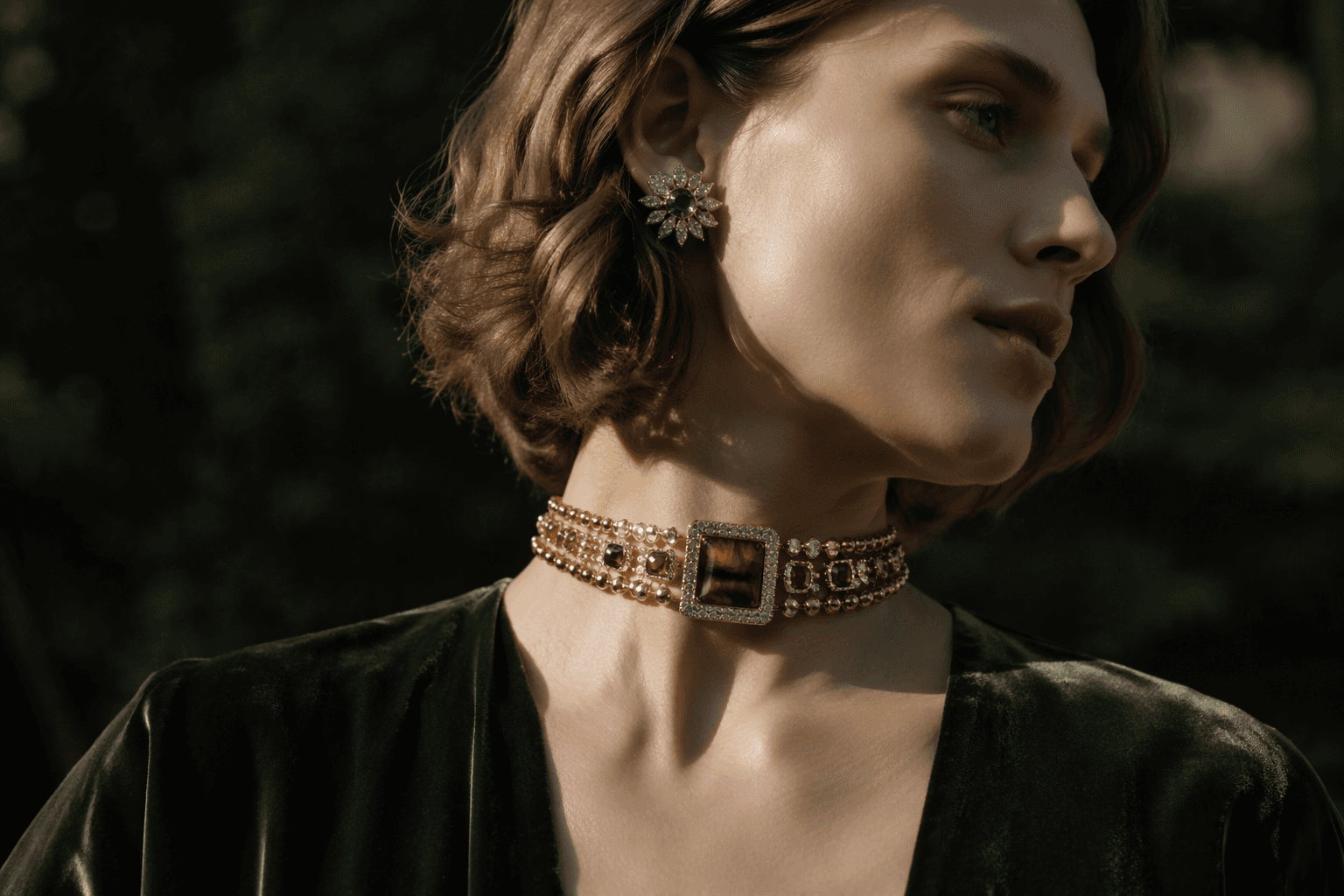
Piaget also leaned hard into transformable design. JCK highlighted a Flamboyant Links tiger’s-eye piece that can be worn as either a choker or a wristwatch, a reminder that luxury is increasingly selling flexibility as much as spectacle. That idea has obvious downstream value for everyday jewelry, where detachable clasps, dual-use chains, and modular silhouettes make a piece feel worth the spend.

The collection also nods to the Memphis art collective through a five-piece Gems Pop set, bringing a crisp, playful geometry to the otherwise lush palette. Piaget links the Extraleganza story back to 1874 in La Côte-aux-Fées, where Georges-Édouard Piaget began making watch movements, and says its Geneva workshops bring together watchmakers, goldsmiths, gemologists, and engravers. That cross-disciplinary approach is the real luxury signal here: not just more color, but more considered color, translated through craft that gives even the boldest stones a precise, wearable edge.
This article was produced by Prism’s automated news system from verified source data, official records, and press releases, then run through automated quality and moderation checks before publishing. The system is built and supervised by the people who set the standards it runs under. Read our full AI policy.
Did this article answer your question?