Raw diamonds gain appeal as shoppers seek authenticity and value
Raw diamonds are turning rough edges into a luxury signal, as shoppers trade polished sameness for visible authenticity, provenance, and everyday wear.
The new luxury is looking less finished
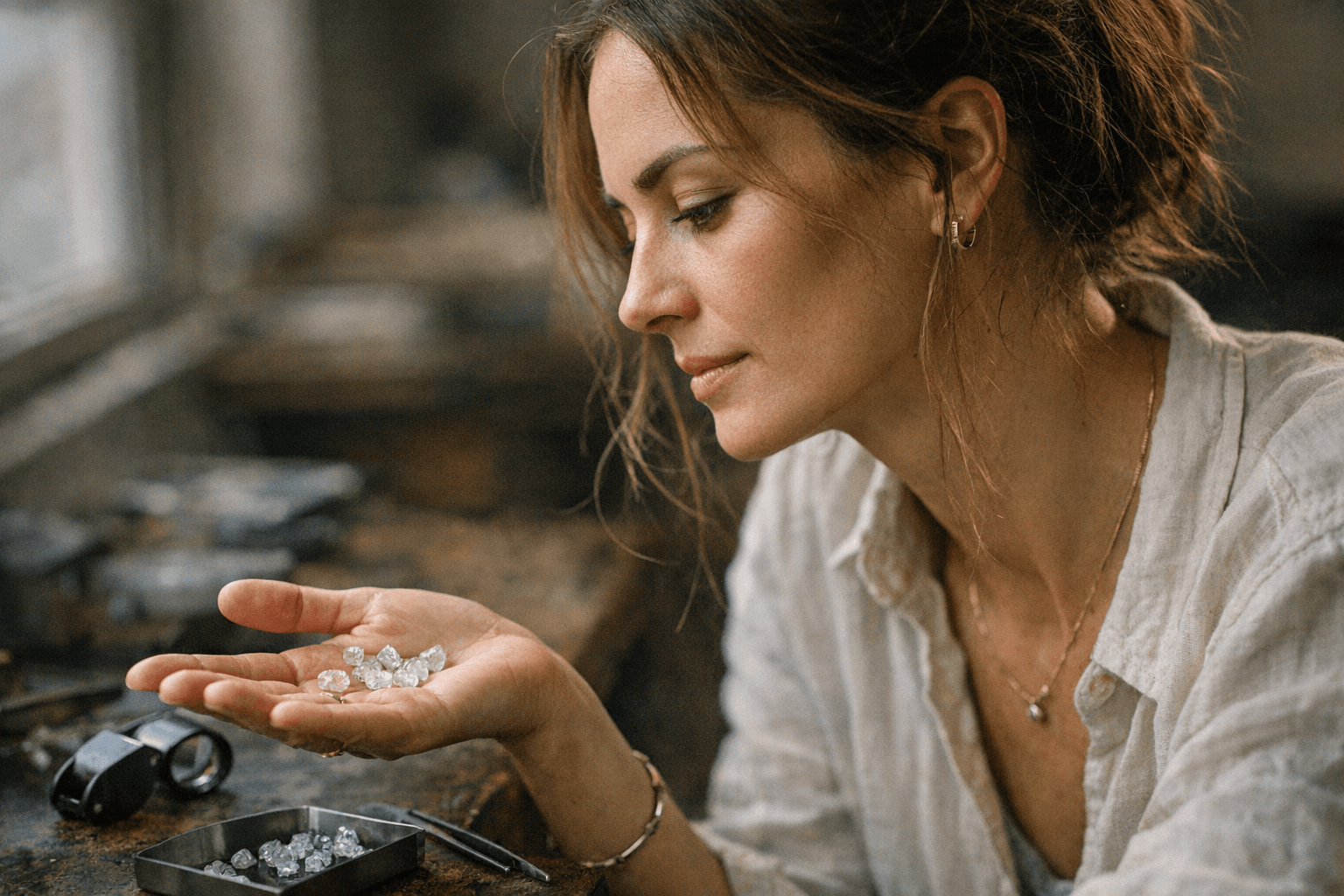
When nearly half of U.S. engagement-ring purchases were lab-grown in 2025, natural diamonds had to answer a hard question: why pay more for the old standard? The answer is no longer only rarity. It is difference, and raw, uncut stones make that difference visible at a glance, with irregular shapes, frosted surfaces, and the unmistakable sense that the gem still carries its original character.
That is why the backlash to polished perfection feels so timely. Lab-grown diamonds have changed the market by making sparkle more accessible, but they have also made the category feel more standardized. Raw diamonds step in as the opposite proposition: less uniform, less slick, and, to many buyers, more honest. In a jewelry case full of perfectly calibrated brilliance, an uncut stone reads like evidence of origin.
Why the market is leaning toward visible difference
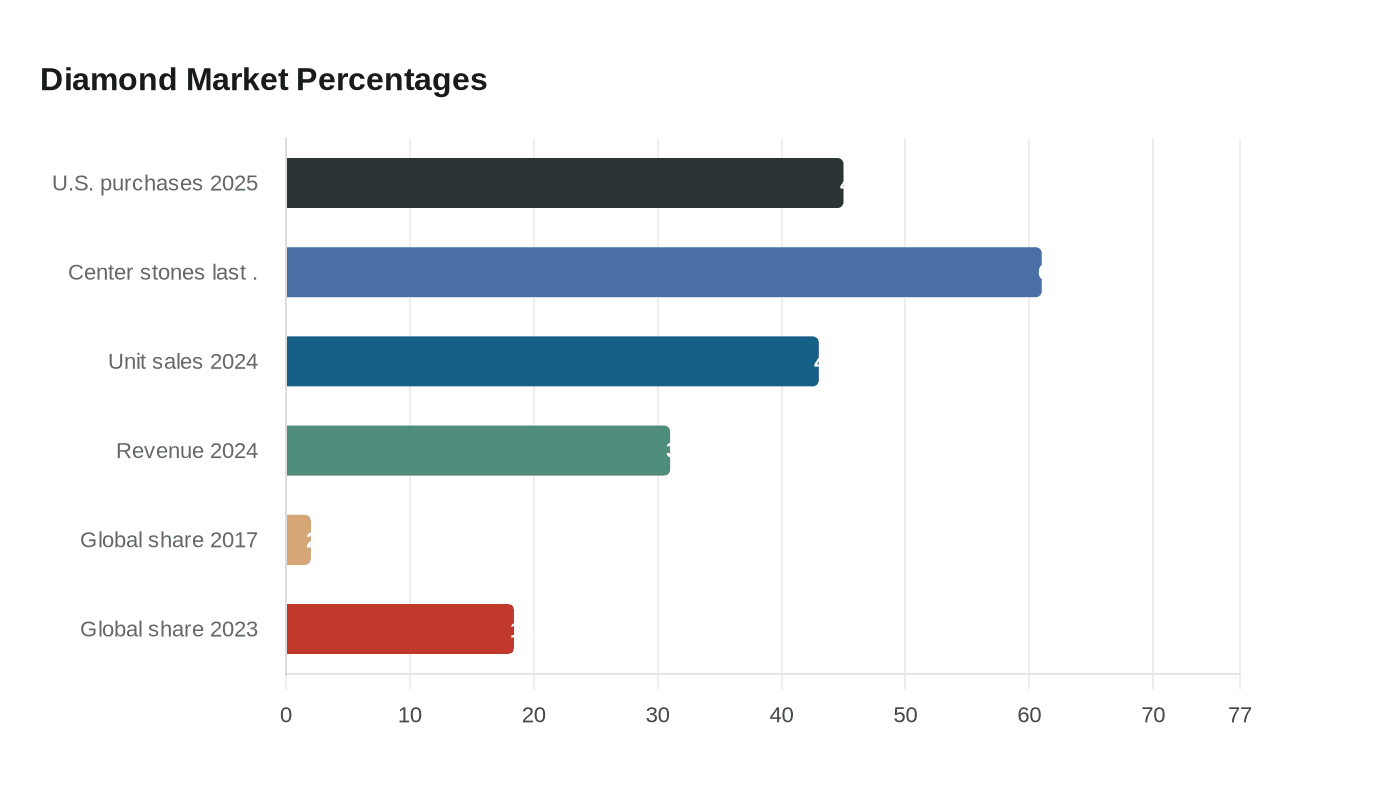
The numbers explain the shift. BriteCo’s 2025 analysis says more than 45% of U.S. engagement-ring purchases were lab-grown diamonds, while The Knot has been cited as finding that 61% of engagement-ring center stones were lab-grown last year. Tenoris data cited in trade coverage showed lab-grown diamond jewelry unit sales rising 43% in 2024, with sales revenue up 31%. Even so, that growth was slowing compared with 2023, which tells you the category is still expanding but no longer racing ahead without resistance.
The broader natural-diamond market has been under pressure for years. CNBC reported in 2024 that lab-grown diamonds had climbed from 2% of the global diamond jewelry market in 2017 to 18.4% in 2023, while diamond prices fell 5.7% year to date and more than 30% from the 2022 peak. In that climate, raw diamonds are not trying to win a price war. They are trying to win on character, and for many shoppers that is a more durable argument.
What raw diamonds signal that polished stones do not
Raw, uncut natural diamonds appeal because they wear their imperfections in public. A stone may show a crystal outline, uneven geometry, mineral inclusions, or a rough skin that polished diamonds were designed to erase. Those features can feel almost radical now, because they resist the modern habit of making everything look perfected and interchangeable.
That visual irregularity is exactly where the investment-and-authenticity tension comes in. Buyers are being asked to see imperfections as proof of individuality, not damage. In the best cases, that shift can make a piece feel more personal, especially when the setting is restrained and lets the rough stone remain the main event. But it also raises the standard for honesty: if a jeweler leans on words like ethical, artisanal, or sustainable without explaining origin, the claim is too vague to mean much.
How to buy raw diamonds for pieces you will actually wear
The smartest raw-diamond jewelry is not precious because it is fragile. It is precious because it is wearable. For everyday use, the most convincing pieces tend to be low-profile rings, bezel-set pendants, compact studs, and small earrings that let the stone stay close to the body and out of harm’s way.
- Settings that protect the stone, such as bezels or tightly engineered prongs
- Metals that can handle constant wear, including 14k or 18k gold and platinum
- Designs that keep the silhouette clean, so the rough stone reads as intentional rather than unfinished
- Documentation that separates natural origin from vague marketing language
Look for sturdy construction first:
Certification matters here, but so does specificity. A respected gem lab report can confirm that the stone is natural, and any serious seller should be able to explain whether the diamond has been treated, how it was sourced, and what traceability it carries. If the provenance story stops at a glossy label, it is not a provenance story.
Why provenance is now part of the design conversation
The raw-diamond trend is inseparable from the larger demand for traceability. McKinsey has said the industry is at an inflection point as consumers increasingly want better sourcing transparency, while sanctions affecting Russia, a major rough-diamond producer, have added more pressure to the supply chain. That makes a simple question, where did this stone come from, more important than ever.
The Natural Diamond Council’s 2025 trend report, published in February 2026, reinforced the point. It said natural-diamond demand remained resilient in 2025 despite tariffs, inflation, and higher gold prices, and it noted that holiday jewelry sales by specialty jewelers ended the year up more than 6%. Its analysis drew on Tenoris data from more than four million jewelry transactions across 2,500 U.S. specialty jewelers, which suggests the appetite for more distinctive diamond styles is not just a mood, but a measurable shift in the market.
That matters because raw diamonds do not appeal only to collectors. They appeal to anyone tired of seeing jewelry behave like a status screen. A rough stone in a simple setting can feel more human than a spotless solitaire, and that is precisely the point.
The lasting case for imperfect stones
Raw diamonds are gaining ground because they offer something polished perfection cannot: visible evidence of origin. They speak to buyers who want their jewelry to do more than shine on command. They want a piece that feels distinct in the hand, strong enough for daily wear, and grounded in a story that can be traced, not just marketed.
For everyday jewelry, that combination is powerful. It suggests that beauty does not have to be flawless to be valuable, and that the pieces worth wearing constantly are often the ones with the most honest surfaces.
This article was produced by Prism’s automated news system from verified source data, official records, and press releases, then run through automated quality and moderation checks before publishing. The system is built and supervised by the people who set the standards it runs under. Read our full AI policy.
Did this article answer your question?