Retailers chase client-friendly staples and customization at JCK 2026
Retailers left Las Vegas chasing pieces that sell on instinct: silver staples, stretch bracelets, crosses, and customizable bridal designs.

The strongest buying signal at JCK and Luxury was not a trophy jewel, but the kind of piece a customer can wear tomorrow. Retailers crowded the floor looking for expandable bracelets, cross necklaces, flexible stretch styles, silver jewelry, and customizable designs, a mix that feels tuned to real life: affordable enough for gifting, familiar enough for repeat wear, and practical enough to suit shoppers who want value without sacrificing style.
The commercial heart of the show
That appetite made sense on a floor where gold prices, tariffs, artificial intelligence, and ring-shopping brides shaped the conversation. In a market that feels more cautious than flamboyant, retailers are betting on pieces that can move quickly and return often, especially styles that work for stacking, layering, and everyday use. Silver does that beautifully. So do cross necklaces and expandable bracelets, which carry recognizable symbolism and easy price points without demanding a major commitment from the customer.
Orin Mazzoni Jr., owner of Orin Jewelers in Northville, Michigan, put that logic into plain language as he moved among booths such as Doves, Vahan, and Artistry. “We want to bring back something new, and these are our favorite brands and progressive designers,” he said. His list of priorities, expandable bracelets, cross necklaces, and colored gemstone designs, reflects a retail instinct that prizes freshness, but not novelty for novelty’s sake. These are the kinds of pieces that can refresh an assortment while still feeling immediately wearable.
A quieter but equally telling detail was the presence of design-driven exhibitors such as Gold and Smoke, the Denver-based brand known for luxe gold jewels paired with oxidized sterling silver. That mix of polished warmth and darkened metal speaks to the same customer mood as the rest of the floor: shoppers want contrast, texture, and a sense that the piece has personality, but not the weight or formality of high-ceremony jewelry.
Customization is where bridal becomes personal
If the everyday side of the market leaned into accessibility, the bridal side leaned into precision. Jana Bowden of Beard Fine Jewelers in Lufkin, Texas, spent her time with exhibitors including Gabriel & Co., looking for the latest CAD and technology updates. Her goal was not abstract innovation, but a better in-store experience: more customization, more personalization, and a sharper bridal offer for engagement rings and wedding sets.
That focus reveals how custom has changed inside the jewelry case. It is no longer only about one-off heirlooms or completely bespoke commissions. Today, customization often means using CAD to fine-tune proportions, refine a setting, or tailor a ring so it feels personal without extending the sales cycle beyond what a client will tolerate. For engagement rings and wedding bands, that is crucial. Brides influenced by Pinterest arrive with clear visuals in mind, and the retailer who can translate those images into a believable, well-made ring has a clear advantage.
The best bridal programs on the floor seemed built around that reality. Technology is no longer separate from romance; it is what allows romance to be delivered on deadline, within budget, and with enough control for the customer to feel ownership of the result.
Why these pieces are winning now
The appeal of staples and customization is partly financial, and partly emotional. In a year when gold prices and tariffs remain top-of-mind, retailers need inventory that can absorb pressure without losing appeal. Stretch bracelets, silver chains, and expandable silhouettes are easier to place in cases and easier for customers to justify. They are also natural gift purchases, which matters when shoppers are cautious but still want something personal.
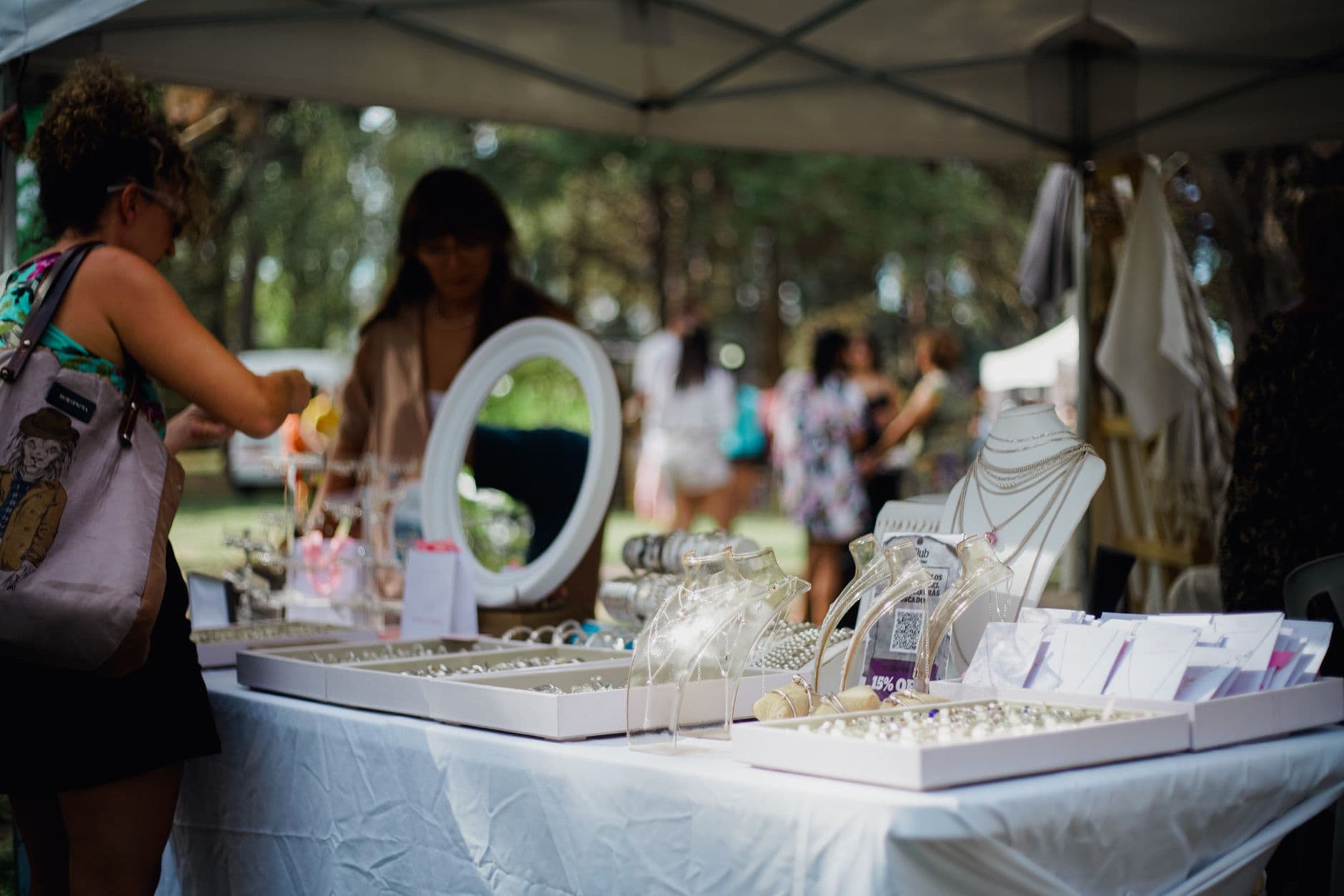
There is also a resale-minded logic at work, even when no one says it aloud. Pieces with recognizable forms, clean construction, and enduring symbols tend to feel safer to buy. A cross necklace or an expandable bracelet may not be the most elaborate item on the table, but it often has the strongest afterlife in a wardrobe, the kind of piece that gets worn, re-worn, and passed along. That is where commercial confidence lives now: in jewelry that feels less like a one-time indulgence and more like a reliable part of a collection.
The show grew beyond jewelry alone
JCK’s expansion into watches underscored how broad the buying opportunity has become. The new Timepieces at Luxury and JCK area brought in names including Movado, Shinola, Citizen, Bulova, Accutron, Alpina, Frederique Constant, and G-SHOCK, signaling that the event is no longer only about necklaces, rings, and bracelets. It is a wider luxury marketplace, one where jewelry retailers can think about how watches round out a client’s wardrobe and deepen the relationship at the counter.
That widening scope helped the event feel bigger than a trade show and more like a working forecast for the year ahead. Held at The Venetian Expo and The Venetian Resort in Las Vegas from May 29 to June 1, 2026, JCK and Luxury drew 17,500 attendees from around the world, a crowd size that reinforced its role as a buying and networking hub for the global trade. The annual theme, In Your Element, fit the mood well: everyone on the floor seemed to be looking for the version of luxury that fits into actual life.
What emerged most clearly from Las Vegas was a retail playbook built on practicality with taste. Silver, crosses, stretch styles, expandable bracelets, and personalized bridal pieces are not just safe bets. They are the kinds of jewels that meet the customer where she is, then give her a reason to come back.
This article was produced by Prism’s automated news system from verified source data, official records, and press releases, then run through automated quality and moderation checks before publishing. The system is built and supervised by the people who set the standards it runs under. Read our full AI policy.
Did this article answer your question?