Self-purchase rings drive diamond demand as women buy for themselves
Women are making diamond rings their own milestone buys, and the look has shifted to fancy cuts, larger centers, and settings with real presence.
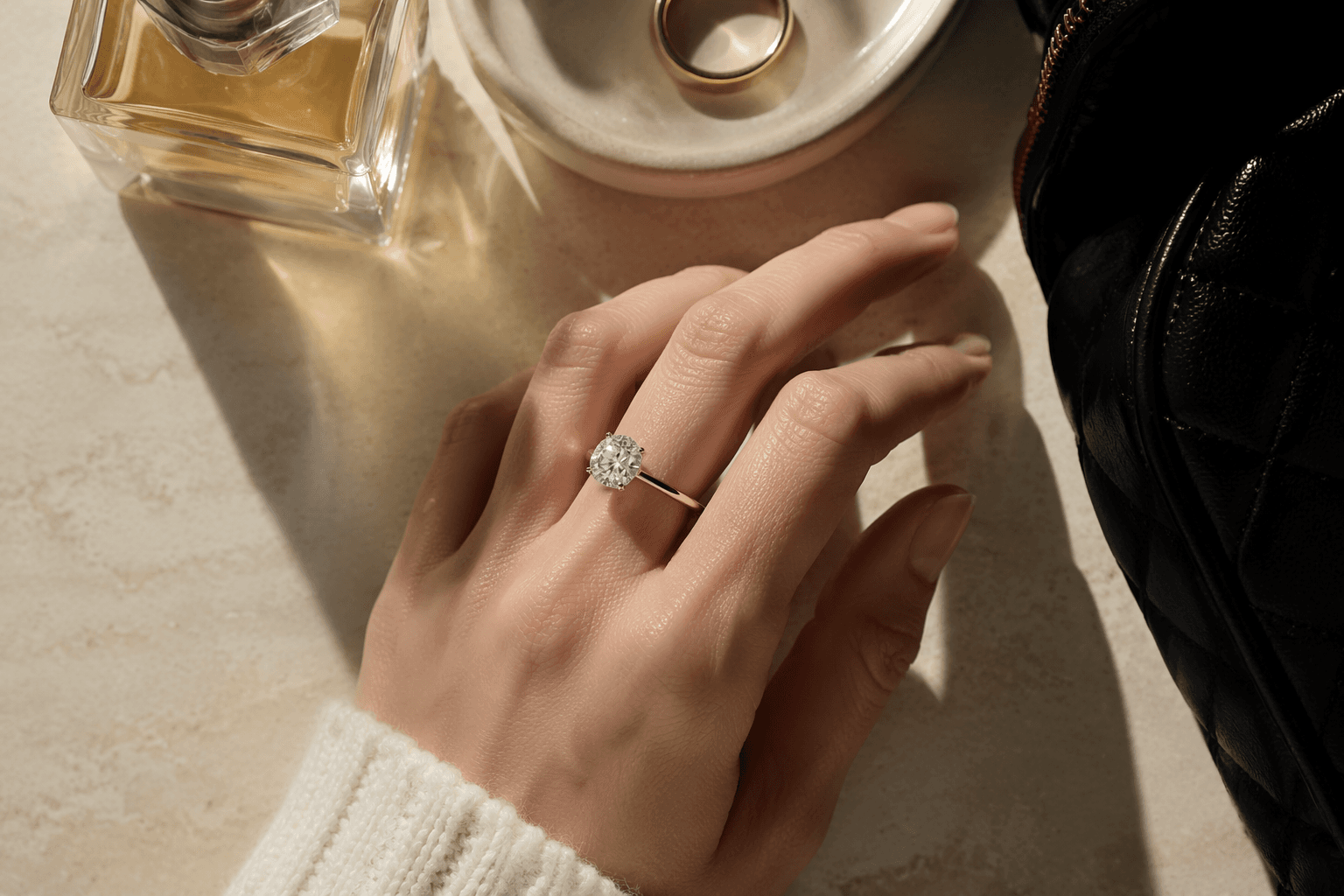
The new milestone ring is bought, not waited for
The most telling shift in diamond jewelry is not happening at the altar. It is happening at birthdays, promotions, anniversaries of personal wins, and plain old Tuesdays when a woman decides the occasion deserves a ring. The self-purchase ring has moved from a quiet side category to a statement purchase, and the message is clear: the ring no longer has to signal engagement to feel significant.
That shift is changing the design language, too. The rings drawing attention now lean into fancy cuts, antique stones, bigger center stones, and bold settings that feel luxurious without borrowing bridal cues. The point is not to mimic an engagement ring. The point is to make a piece that looks intentional on its own, with enough presence to work as an everyday signature and enough polish to mark a personal victory.
Why diamond rings are winning the self-gift moment
The Natural Diamond Council’s 2024 overview calls self-purchase a key force shaping diamond demand, and the numbers back it up. In that reporting, diamond rings remained the most popular category, accounting for 40% of natural diamond jewellery sales volume in 2024. Valentine’s Day also underscores the shift: diamond rings were the preferred purchase, and average diamond-jewelry spend for the holiday rose 2.7% to $2,066.
The pattern is larger than one holiday or one season. A 2025 BriteCo survey found that 80% of Americans buy fine jewelry for themselves, and the number climbs to 86% among adults ages 30 to 44. That is the clearest sign that self-buying is not an occasional indulgence but a mainstream habit, especially among the age group most likely to be building careers, households, and identities at the same time.
For retailers, the commercial logic is hard to miss. Rings already hold the largest share of the U.S. jewelry market, diamond jewelry is the dominant material category, and women represent the majority of end use. Self-purchase simply gives a familiar product line a new emotional script. Instead of being sold only as a bridal object, the ring is now being framed as a personal luxury with room to celebrate a raise, a move, a milestone, or the simple satisfaction of buying exactly what you want.
The look has become more personal, and more confident
What makes the self-purchase ring read differently from an engagement ring is the styling. Fancy cuts and antique stones bring character, while bolder settings give the piece weight on the hand. The newer look tends to feel less ceremonial and more editorial, as if it was chosen for how it lives with denim, tailoring, and stacks of other jewelry rather than for a single proposal moment.
That move toward individuality is part of why higher-ticket rings are gaining traction. A ring bought for oneself does not have to fit a partner’s idea of romance or a conventional bridal budget, and that freedom shows up in the stone choice. De Beers’ Diamond Insight reporting says women who buy their own diamond engagement rings spend about 33% more than men on average, at $4,400 compared with $3,300. In practice, that means self-buyers are often comfortable reaching for the ring that feels right, even when it pushes beyond the expected spend.
The same reporting shows another important shift: women in cohabiting couples now represent 10% of the U.S. diamond-jewelry market. That is a reminder that the category is no longer split neatly between “engagement” and “everything else.” Women are entering the market as primary purchasers, not just recipients, and the jewelry is following that change in behavior.
How to read the category like a buyer, not a bride
A self-purchase ring should still earn its place on the hand. The strongest pieces have a clear point of view: a cut that looks distinctive, a stone size that feels satisfying without overwhelming the setting, and metalwork sturdy enough for regular wear. The appeal is not just sparkle. It is the balance between visual drama and everyday practicality.
What separates the best examples from generic “celebration rings” is specificity. Antique stones carry a sense of history, fancy cuts create shape and movement, and bolder settings keep the ring from disappearing once the novelty fades. That combination has become the visual shorthand for a new kind of milestone jewelry, one that is less about status signaling to someone else and more about marking a life on your own terms.
The deeper market story is simple: women are not waiting to be gifted the ring that defines the moment. They are buying it themselves, and they are buying up. That is why the self-purchase diamond ring is no longer a niche idea at the edges of bridal; it is becoming one of the clearest ways jewelry tracks independence, identity, and the new economics of everyday luxury.
This article was produced by Prism’s automated news system from verified source data, official records, and press releases, then run through automated quality and moderation checks before publishing. The system is built and supervised by the people who set the standards it runs under. Read our full AI policy.
Know something we missed? Have a correction or additional information?
Submit a Tip