SSEF reports possible new Paraíba tourmaline source in Ethiopia
A Swiss lab said two oval stones may come from a newly reported Ethiopian deposit, a clue that could reshape pricing for rare Paraíba tourmaline.
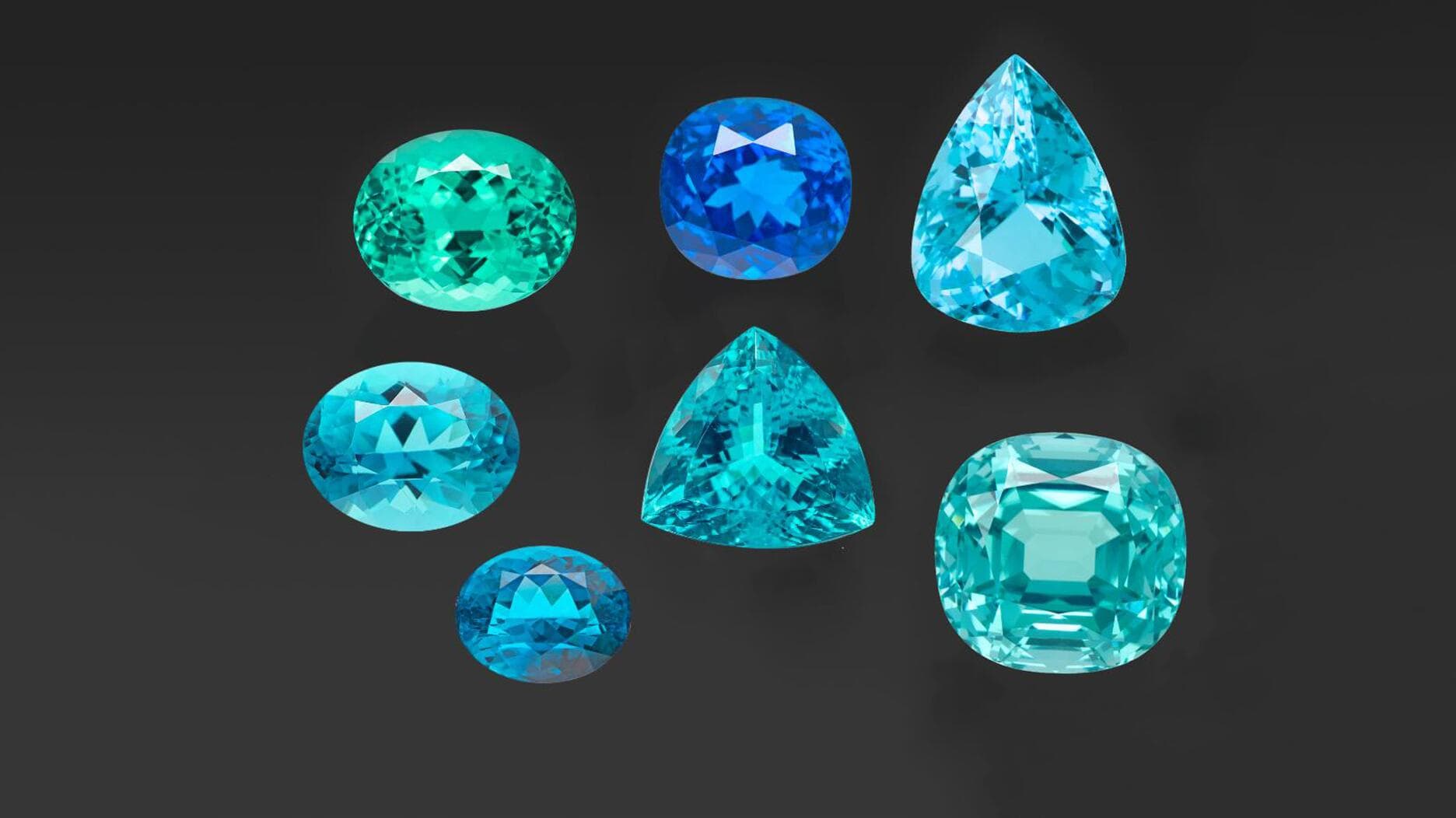
SSEF said it had received credible trade reports pointing to a possible new deposit of copper-bearing tourmaline in Ethiopia, a development that could matter far beyond one new mining area because Paraíba material trades on color, rarity and origin. The lab said it examined several stones whose geographic source could not be pinned down with existing analytical criteria and algorithms, and that two oval stones in its published image may come from the newly reported Ethiopian source.
That possibility lands in a market already primed for scarcity. Paraíba tourmaline first reached the commercial market in the late 1980s after Heitor Barbosa discovered the original Brazilian material near São José da Batalha in Paraíba state. Additional deposits in Nigeria and Mozambique emerged in the early 2000s, and Mozambique has since become a major supplier, producing rough stones that have weighed several hundred carats.
For dealers and collectors, the stakes are not simply geographic. SSEF said trace-element data from the suspect stones showed considerable overlap with material from known localities, especially Brazil, which makes origin testing difficult and leaves room for serious disagreement between a trade story and a laboratory conclusion. That overlap is exactly why a new source can be so disruptive: a stone that looks like Paraíba, and even tests within the broad chemical field, may still resist a clean origin call.
The timing adds pressure. Less than a week before the Ethiopia notice, a private collection of five Paraíba tourmalines sold for more than $3 million at Sotheby’s, underscoring how strongly the category still attracts serious money. GemGuide said on June 10, 2026 that demand for Paraíba was rising while high-quality goods remained hard to come by, and that Brazilian material still commanded a significant premium, sometimes multiples above stones from other origins.
SSEF has said it is continuing research to better characterize the new material and refine its origin-testing methods. Its broader research on Paraíba origin determination makes clear why: new or undocumented sources can appear as statistical outliers in analytical datasets, complicating identification just as the market is deciding what a stone is worth. Until the Ethiopian material is fully characterized, origin claims around copper-bearing tourmaline will need to be phrased with care, because in this category, provenance can change a stone’s story as much as its price.
This article was produced by Prism’s automated news system from verified source data, official records, and press releases, then run through automated quality and moderation checks before publishing. The system is built and supervised by the people who set the standards it runs under. Read our full AI policy.
Know something we missed? Have a correction or additional information?
Submit a Tip