SSEF warns emeralds are being refilled after testing, misleading buyers
SSEF says emeralds have been cleaned and refilled after testing, leaving buyers with old reports that no longer match the stone.
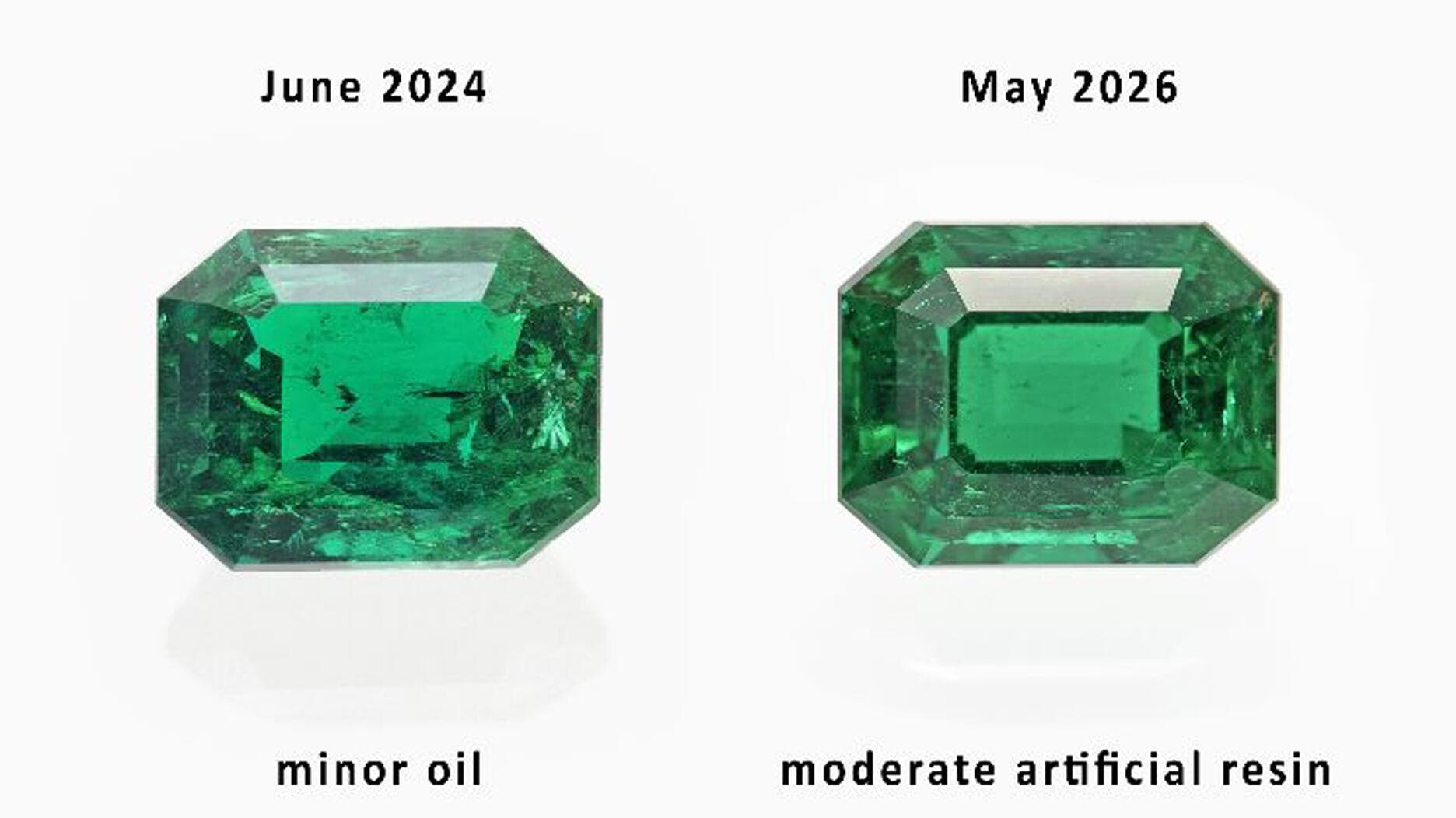
Emeralds have been cleaned out and refilled after laboratory testing, leaving the paper trail to describe a stone that no longer exists. On June 15, 2026, Basel, Switzerland-based Swiss Gemmological Institute SSEF said the practice has "resurfaced" in a number of recent emerald cases, with stones first examined, then altered, then sold with the earlier report still attached. The lab said that is exactly how buyers can be misled: a report records a gemstone only at the moment of testing and does not guarantee its later treatment status.
The warning centers on fissures, the natural breaks that make emeralds both beautiful and vulnerable. SSEF said established fillers include oil, wax and artificial resin, and that those treatments materially affect value. High-end buyers increasingly want emeralds with only minimal oil or no clarity modification at all, a preference that can create an incentive to strip older filler from a stone, chemically clean it and refill the fissures again before resale.

That is why disclosure matters as much as the color and cut. SSEF’s reference pages say untreated high-quality emeralds without fissures are very rare, because emeralds commonly form with internal breaks linked to their geological history. Under CIBJO guidance, the amount of filler must be disclosed because it directly changes pricing, not just appearance. The Laboratory Manual Harmonisation Committee’s emerald sheet standardizes the terminology for describing fissure filling with oils, resins, wax or other fillers, making the treatment visible in a language the trade can share.
SSEF has warned before that fissure filling and the cleaning of decomposed filler remain a constant issue in the lab and the trade. The same after-testing trick can also affect other fissured gems, including rubies, where a report may still look current even after the stone has been altered again. For buyers and dealers alike, the cleanest safeguard is a report that matches the gem on the day it changes hands, with the treatment language spelled out plainly and the filler, when present, named rather than softened into a vague description.
This article was produced by Prism’s automated news system from verified source data, official records, and press releases, then run through automated quality and moderation checks before publishing. The system is built and supervised by the people who set the standards it runs under. Read our full AI policy.
Know something we missed? Have a correction or additional information?
Submit a Tip