Stephanie Gottlieb launches lab-grown jewelry for everyday wear
Stephanie Gottlieb turned lab-grown diamonds into silicone rings and drilled 14k gold jewels, betting the category now belongs in the daily jewelry box.
Stephanie Gottlieb has launched two lab-grown capsule lines built for everyday wear, a sharp turn for a designer who once saw the category as almost nonexistent. Her message is blunt: “Natural diamonds are forever. Lab-grown diamonds are for right now,” she said, calling the new jewelry a better fit for travel, daily dressing and “the fun in-between moments.”
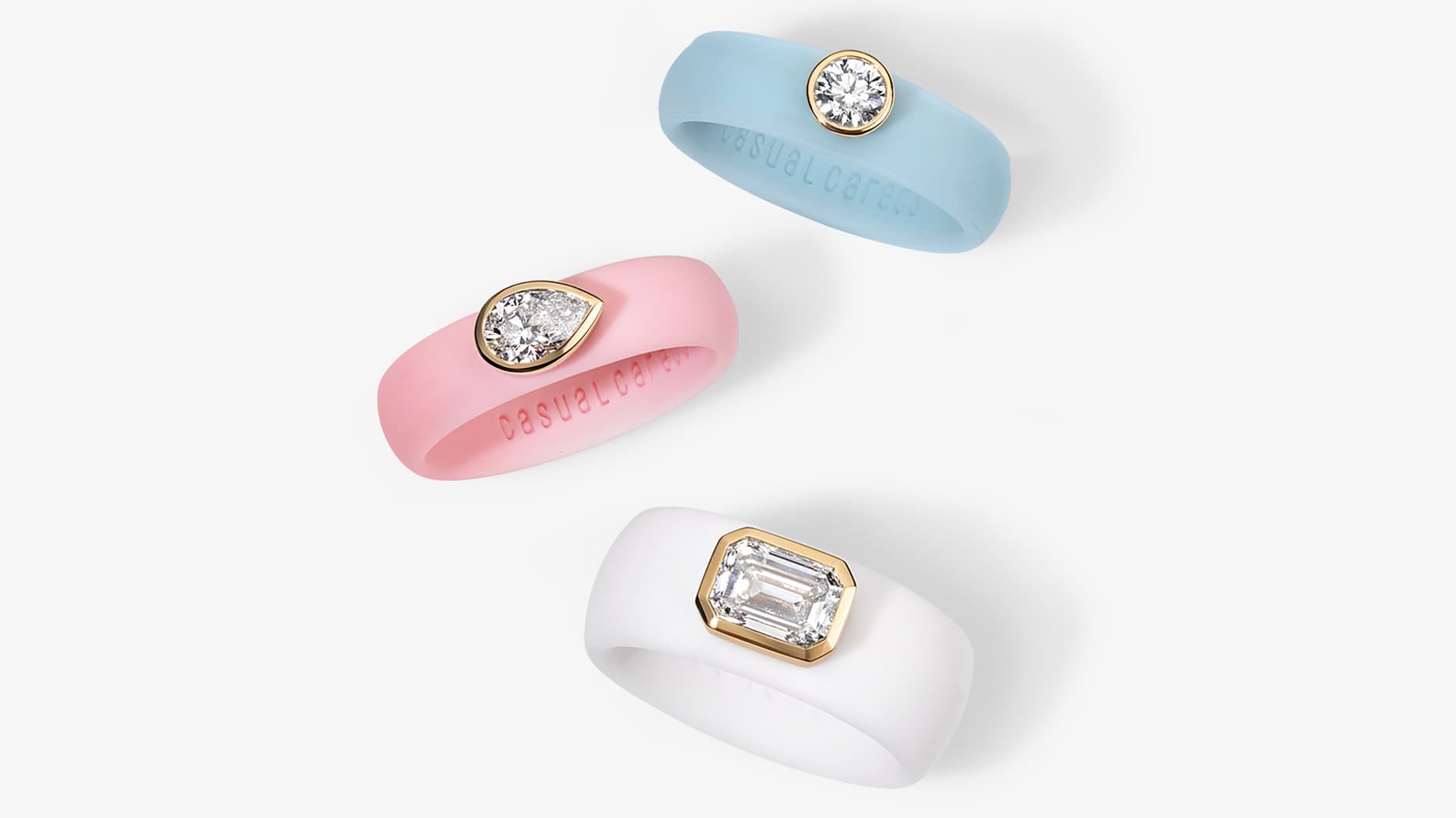
Casual Carats is the more playful of the two collections. The line includes 20 rings with lab-grown diamonds in round, pear, emerald and heart cuts, each stone set in 14k yellow gold inside a colorful silicone band. Prices run from $675 to $1,850. The silicone softens the formality of the stone, turning the ring into something that can sit beside a watch, a slim gold band or a stack of other color pieces.

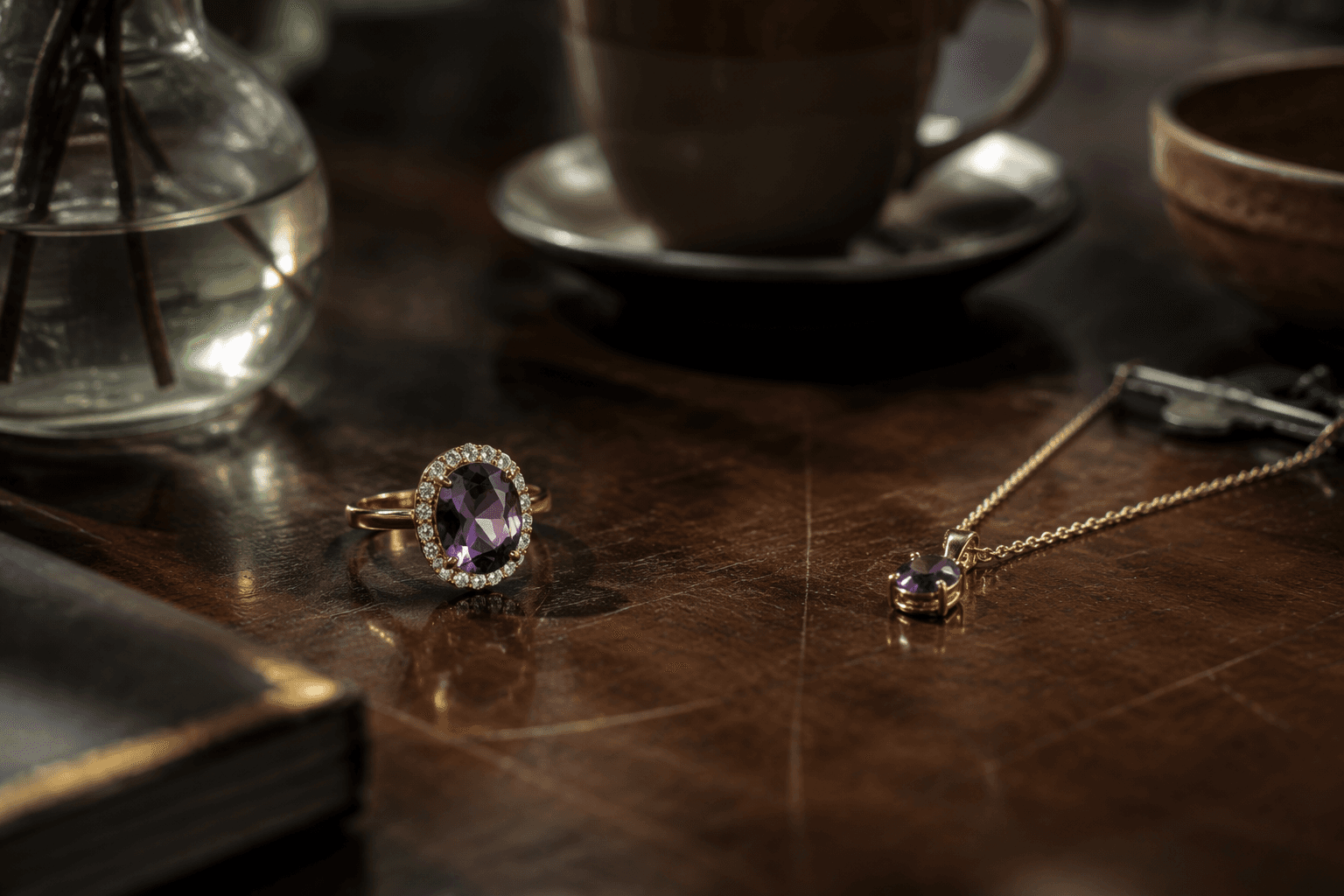
SG Fine’s Lola line takes a different route, using drilled lab-grown diamonds in 14k yellow or white gold for a necklace, earrings and a ring. Drilled stones create a lighter, more kinetic effect than a conventional prong or bezel setting, allowing the diamonds to move with the wearer instead of sitting sealed into place. Gottlieb said the shift gives her “more room to play” and more ways to wear diamonds. The ring works alone or stacked, while the elongated linear earrings and necklace extend lab-grown beyond the engagement case and into everyday wear.
Wholesale lab-grown diamond prices fell 14% in the first quarter of 2026, and 3-carat round lab-grown stones were down 28% year over year. The Natural Diamond Council says the value of a 1.5-carat lab-grown diamond has fallen 83% over the past nine years.
The Federal Trade Commission updated its Jewelry Guides in 2018 to require clear disclosure for laboratory-created diamonds and to warn against misleading words like “natural” or “real” without qualification. Gottlieb said lab-grown stones were practically unheard of when she first entered the field.
This article was produced by Prism’s automated news system from verified source data, official records, and press releases, then run through automated quality and moderation checks before publishing. The system is built and supervised by the people who set the standards it runs under. Read our full AI policy.
Did this article answer your question?