Summer accessories get layered with jewelry, scarves and bag charms
Layering turns a tee, slip dress, or denim base into several looks, with Chanel and Miu Miu pushing scarves, brooches, and bag charms into daily rotation.
A small summer wardrobe stretches fast when the accessories do the heavy lifting. Layered jewelry, brooches, scarves, and bag charms can turn the same white tee, slip dress, or pair of jeans into looks that feel intentional rather than repetitive, with far less effort than a full outfit change.
Why layering is the season’s smartest style shortcut
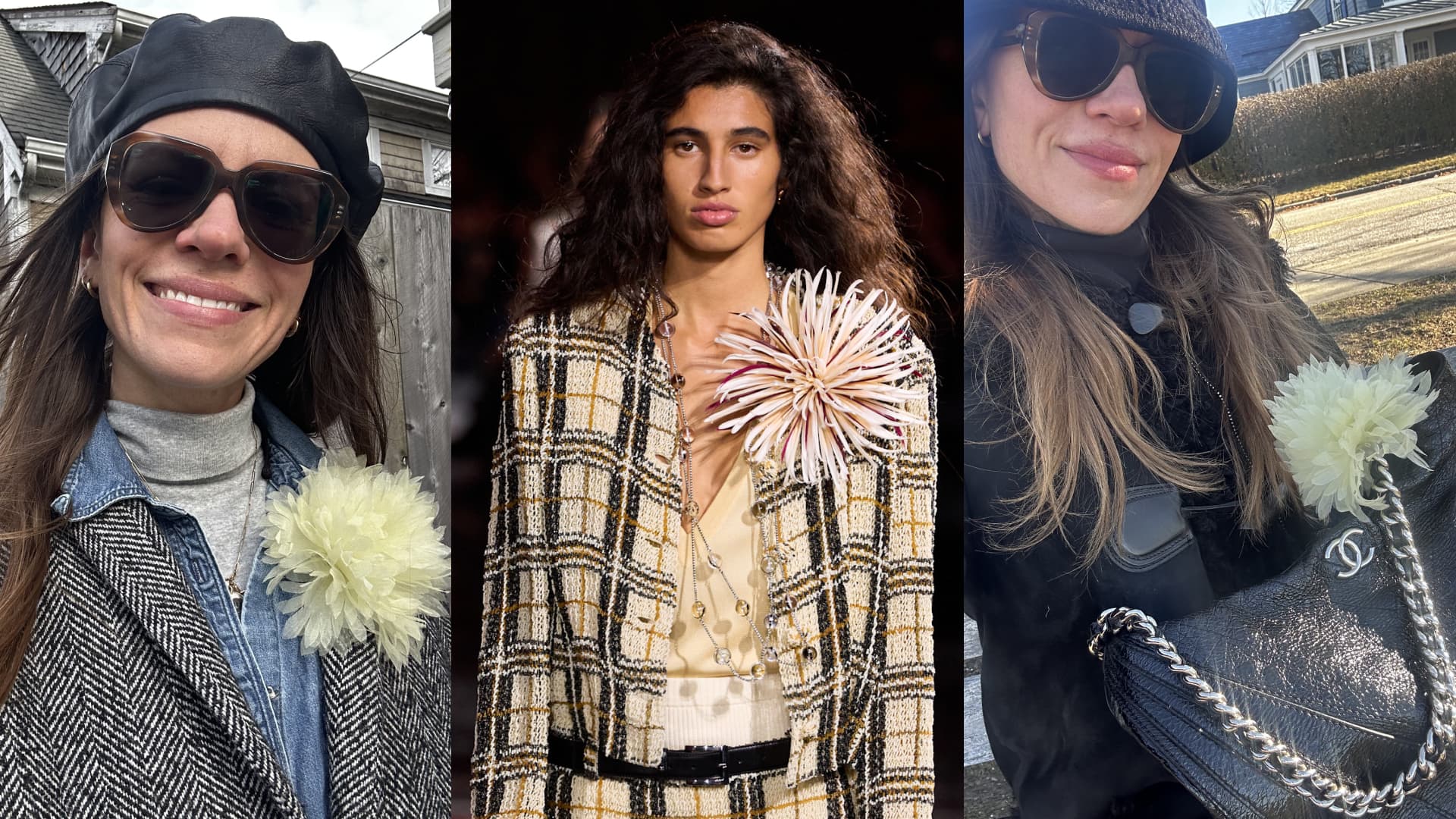
The strongest case for this approach is practical: it adds depth, texture, and contrast without adding heat. The Zoe Report has put Chanel among the houses endorsing layering this season, while Miu Miu’s Spring 2026 collection reads like a crash course in unconventional accessory stacking, with knotted scarves styled alongside chain-and-leather belts worn as necklaces and cuff bracelets. That mix matters because it shows layering as a styling system, not a pile-on, with each piece pulling its weight.
The appeal also lies in range. A simple base can look polished with one chain, more directional with three, and more playful once a scarf, brooch, or bag charm enters the picture. Instead of buying an entirely new summer wardrobe, the better strategy is to build a small accessory roster that can shift a familiar outfit from daytime casual to dinner-ready with one or two changes.
The pieces that create the most mileage
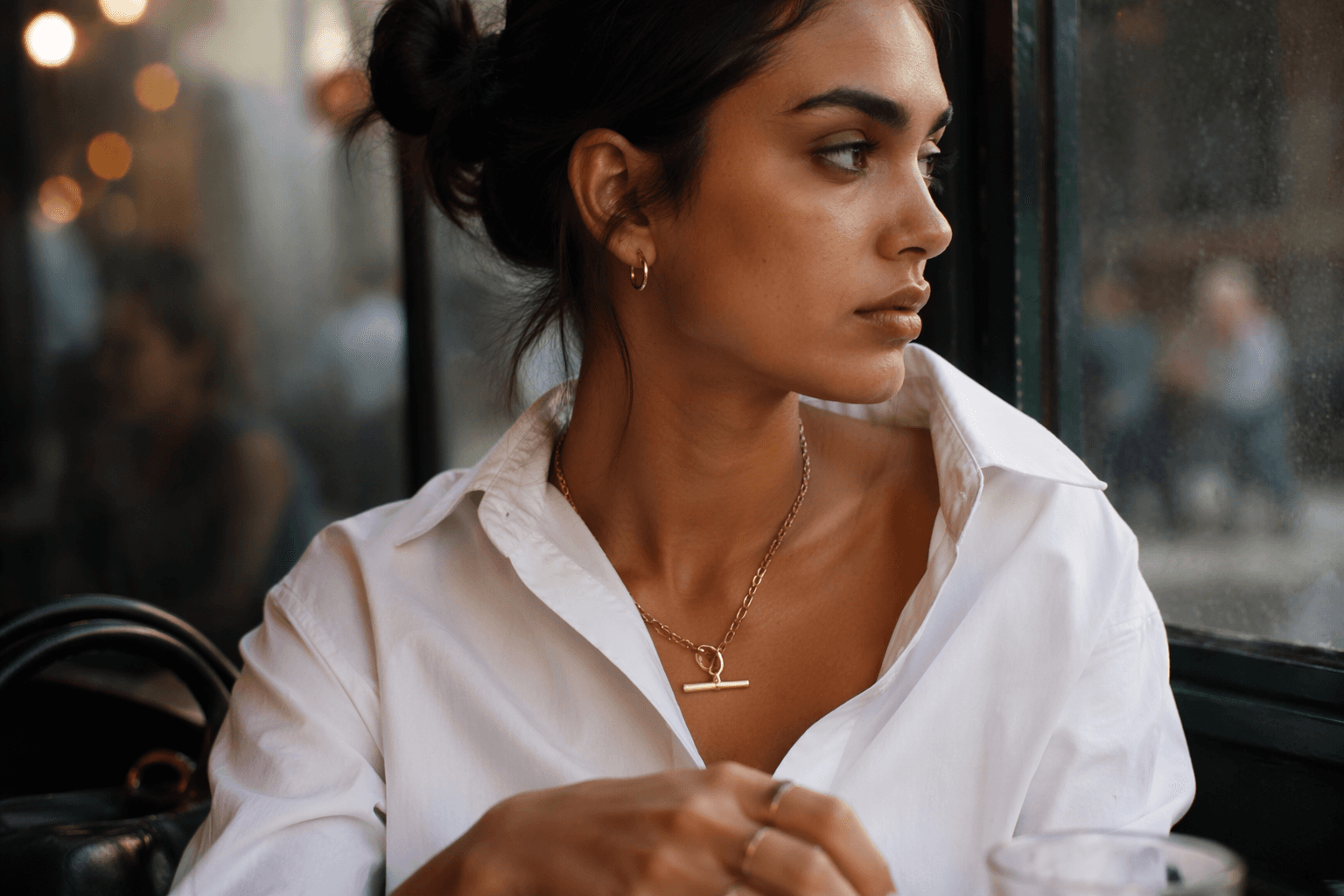
The most useful summer jewelry right now sits in the category The Zoe Report has called “elevated basics”: sleek stacking rings, substantial chain necklaces, and pavé diamond jewelry. Those pieces work because they are visible enough to register from across a room, but restrained enough to wear with almost anything. In the same vein, a 2024 trend read from the publication pointed to necklace layering, hoop earrings, and shell jewelry as items retailers were seeing movement in, which explains why these shapes keep coming back in warm weather.
Each category does something different in a wardrobe. Stackable rings add polish without competing with sleeves or necklines. Chain necklaces, especially in mixed lengths, give a tee or slip dress a more finished frame. Hoops and shell accents introduce a summer note without forcing a beach-only mood, which keeps them wearable well past vacation.
How to build three looks from the same base
A white tee and denim can read nearly tailored if you give the neckline a few distinct layers. Start with one shorter chain close to the collarbone, add a slightly longer chain with more weight, then finish with a pendant or a chain-and-leather piece for contrast. If the outfit still feels flat, a brooch pinned to the pocket, placket, or waistband creates a focal point that jewelry alone cannot always provide.
A slip dress benefits from the opposite treatment: keep the silhouette clean, then let the accessories do the editing. A layered necklace stack can sharpen the neckline, while a scarf knotted at the neck or tied to a bag handle introduces movement and color without covering the dress. Bag charms matter here because they carry the same logic as jewelry, but off the body, giving the outfit an extra point of interest without making it heavier.
For a tee, jeans, and sandals combination, the fastest refresh is a mixed-material approach. Pair polished metal with something softer, like a scarf, or use a brooch to break up a plain expanse of cotton. That contrast is what keeps the look from reading as generic, and it is exactly why layering feels more useful than a single statement piece.

- A tee and denim base works best with one short chain, one longer chain, and a brooch for structure.
- A slip dress looks most modern with clean neckline jewelry, a scarf at the neck or bag handle, and a minimal charm.
- A plain tank becomes more finished when hoops, stacked rings, and a chain with visible weight are worn together.
Why this is more than a trend cycle
The broader retail context makes the layering shift look less like an isolated runway idea and more like a durable buying habit. Jewelers of America, founded in 1906, describes itself as the leading trade association for the fine jewelry and watch industry in the United States and says it supports growth and innovation across the sector. IBISWorld estimates that the U.S. jewelry manufacturing market reached $16.4 billion in 2025, growing at an estimated 4.4 percent compound annual rate between 2020 and 2025.
That scale helps explain why “elevated basics” and multi-use accessories keep gaining ground. When the category is this large, the winning pieces are usually the ones that can be worn often and styled many ways, not the ones that sit in a box waiting for a special occasion. Layering answers that need by turning one purchase into several different looks, which is the most reliable measure of value in everyday jewelry.
The long view on adornment
There is also a useful reminder in The Metropolitan Museum of Art’s jewelry exhibition, which presents brooches, belts, necklaces, rings, headdresses, and ear ornaments as part of jewelry’s long history. In other words, the current affection for stacking, clipping, tying, and layering is not a novelty so much as a return to jewelry as an active part of dressing. The summer pieces making the most sense now are the ones that can move across the body and across occasions, giving a small wardrobe more range without pretending that minimalism and variety are opposites.
That is the real takeaway from the season’s accessory mood: jewelry is no longer just the finishing touch. Used well, it is the architecture that lets the rest of the wardrobe do more.
This article was produced by Prism’s automated news system from verified source data, official records, and press releases, then run through automated quality and moderation checks before publishing. The system is built and supervised by the people who set the standards it runs under. Read our full AI policy.
Did this article answer your question?