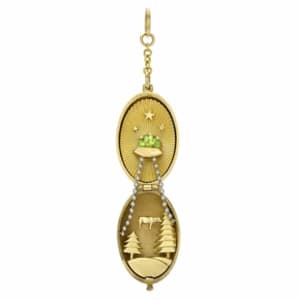
Summer jewelry trends for 2026, polished pieces for everyday outfits
Fine jewelry is loosening its dress-code rigidity, with summer 2026 pieces built for linen, denim, and slip dresses. Heritage houses are answering with signatures that wear like wardrobe staples.
Fine jewelry is being judged by how often it leaves the box
The strongest summer jewelry now has to do more than sparkle at dinner. It needs to sit naturally against linen shirts, crisp shirting, faded denim, and slip dresses, which is why the season’s sharpest ideas lean toward colorful gemstone rings, statement earrings, and polished gold that feels intentional without looking precious. That shift also favors recognizable house signatures, a category luxury labels keep returning to as buyers look for pieces with repeat value and a clear point of view.
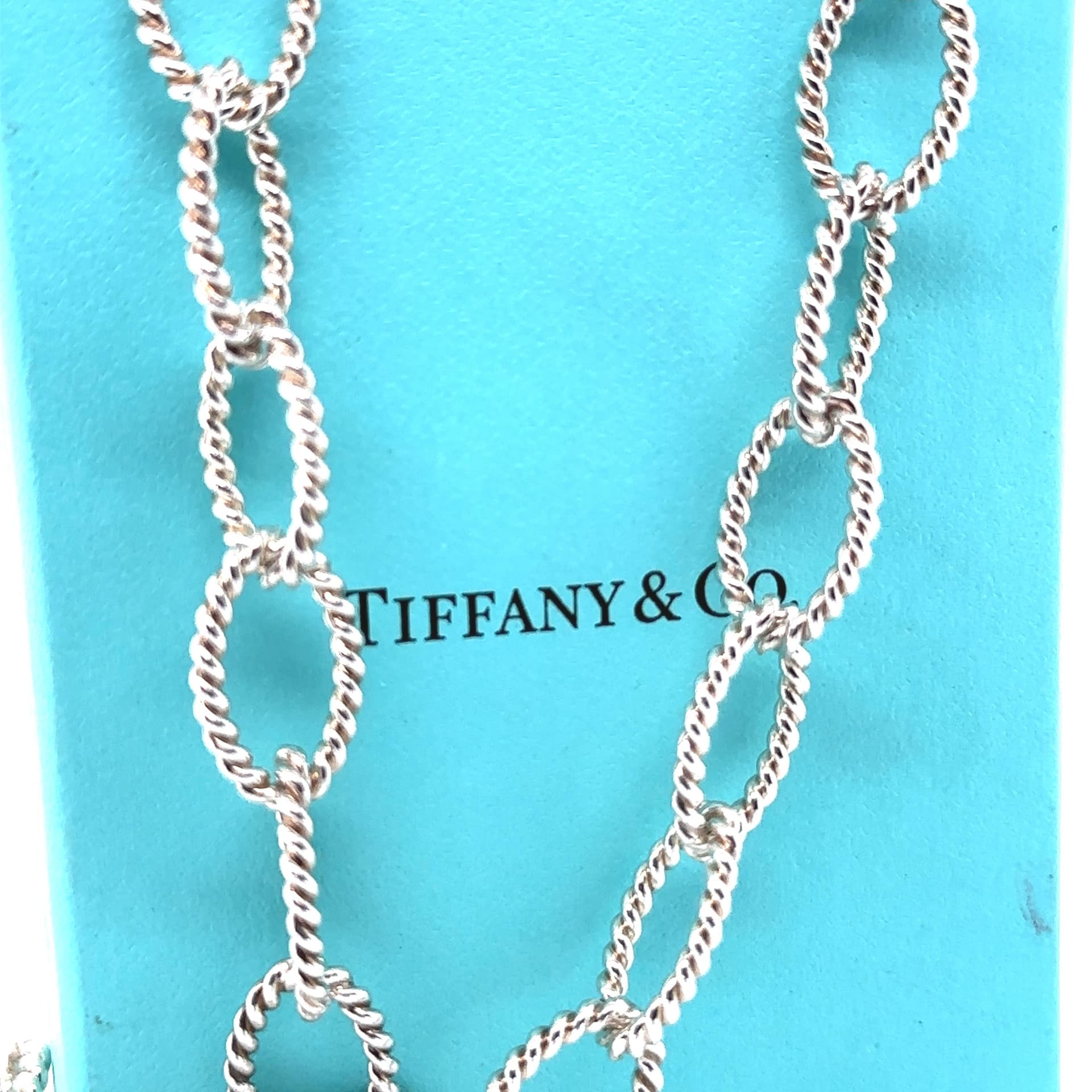
Tiffany’s Rope pendant makes gold feel lived-in
Tiffany’s sculptural Rope pendant lands in that sweet spot between heritage and ease. The brand traces its roots to New York City in 1837, and that history still reads in the restraint of the design, which feels polished enough for an evening plan but simple enough to wear with a white tee and denim jacket. Tiffany says it now operates more than 300 retail stores worldwide and employs more than 14,000 people, a scale that helps explain why its most wearable pieces tend to feel like modern essentials rather than costume.
What makes the Rope line work for daily wear is its texture. The twisted form gives the gold enough visual interest to stand on its own, so it does not need a heavy stack to look complete, and that matters in a wardrobe built on repeat outfits. It is the kind of piece that can finish a slip dress one night and a linen set the next, which is exactly where fine jewelry is winning now.
Cartier’s Juste un Clou keeps the nail idea sharp
Cartier’s Juste un Clou bracelet remains one of the clearest examples of a house code that still feels fresh. Cartier says the design was conceived in 1970s New York by Aldo Cipullo and turns a simple nail into jewelry, a transformation that gives the piece its edge and its longevity. The classic small model in white gold is listed at $4,460 on Cartier’s U.S. site, a price that places it firmly in investment territory, but also makes clear that the brand is selling concept as much as material.
The appeal lies in how the bracelet behaves on the wrist. It reads graphic rather than fussy, which is why it can sharpen a stack of bangles, hold its own with a watch, or serve as the single metal note in an otherwise easy outfit. Cartier calls it a style manifesto, and that language fits because the piece works best when it becomes part of a uniform, not a special occasion.
Dior’s celestial earrings add polish without weight
Dior’s fine-jewelry direction for the season leans into asymmetry and face-framing shapes, a combination that flatters the kind of outfits people actually wear in summer. The house’s Rose Céleste earrings sit neatly within that language, pulling from celestial imagery while keeping the silhouette close enough to the face to feel refined rather than theatrical. That matters with open collars, bare shoulders, and minimal dresses, where a strong earring can do the work of a necklace.
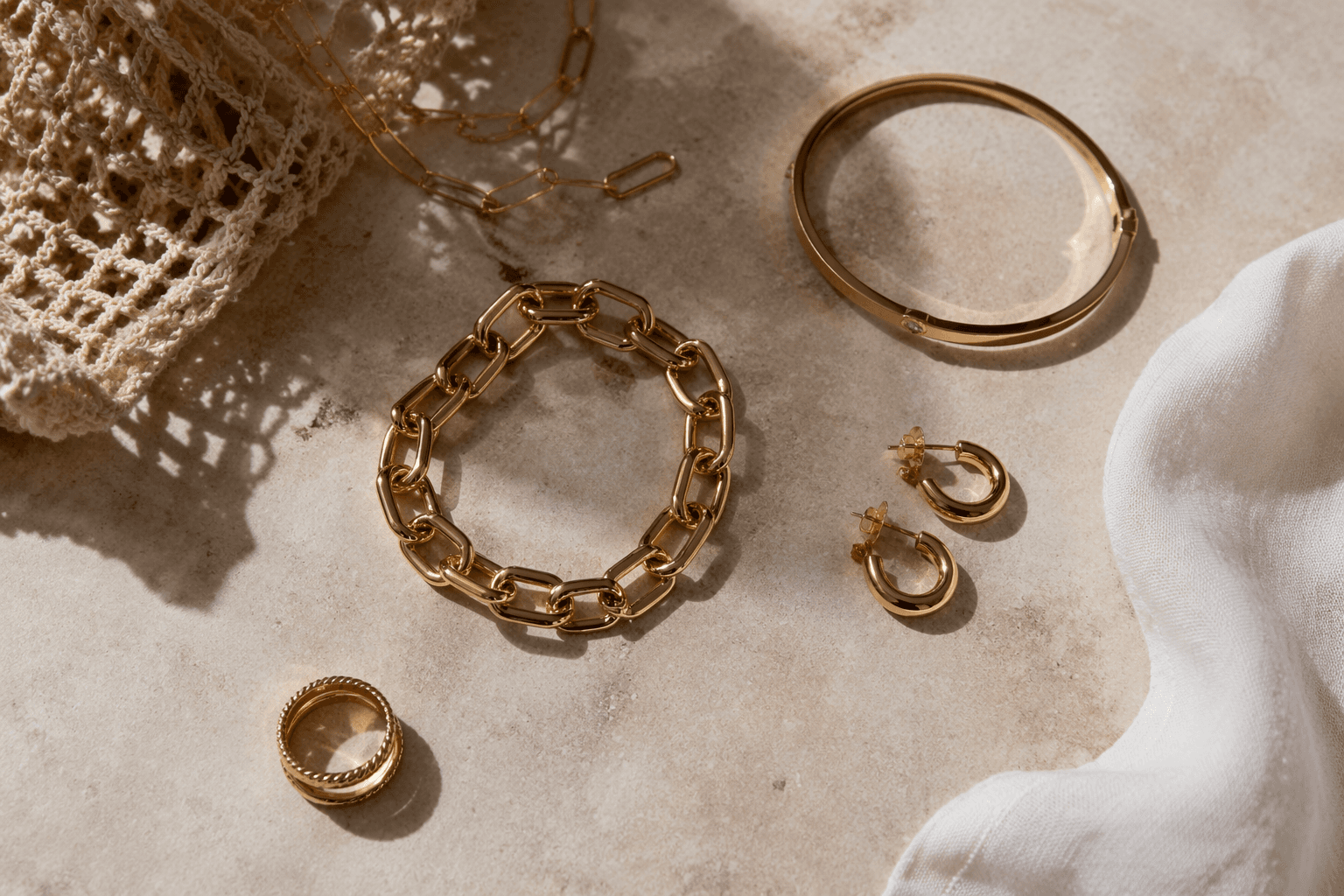
Dior’s approach is effective because it balances ornament with softness. A drop earring that catches light near the jawline has more everyday mileage than a larger, more elaborate piece that only works with one neckline. In a season full of relaxed clothes, these are the kinds of jewels that restore structure without making the outfit feel overworked.
Louis Vuitton’s Color Blossom necklace fits the new low-effort glamour
The Color Blossom necklace belongs to the growing class of pieces that read as polished the moment they touch the skin. Its strength is not in spectacle, but in how naturally a necklace can finish a look that is otherwise intentionally simple, from a buttoned linen shirt to a black slip dress. In a summer where jewelry is expected to carry more of the outfit’s personality, that kind of quiet clarity matters.
Louis Vuitton’s inclusion in the roundup also reflects a broader appetite for recognizable signatures across luxury accessories. WWD has noted that houses including Chanel, Dior, Prada, Gucci, Bottega Veneta, and Fendi have remained among the hottest accessories labels in Paris, a sign that distinctive branding still resonates even when shoppers are wary of waste. The Color Blossom necklace sits in that same current, where familiarity and wearability are not opposites but part of the same appeal.
Chanel and Piaget turn symbols and color into everyday statements
Chanel’s diamond earrings show how house symbolism can be translated into something genuinely wearable. The brand offers them in yellow gold, white gold, rose gold, and BEIGE GOLD, and frames the designs around the symbols of the House, which gives the earrings instant identity without pushing them into overt logo territory. Hoops, pendants, and asymmetrical versions give the category enough range to work with everything from tailored shirting to a bias-cut dress.
Piaget takes a more exuberant route with its Cocktail jewelry, but the collection still fits the everyday-wear conversation because it is built for stacking or solo wear. Piaget describes the pieces as flamboyant gold-and-diamond jewelry that celebrates life, and that sense of movement makes the rings and companions feel less like formal evening objects and more like confident daily signatures. Together, Chanel and Piaget show the season’s full range: one house distilled into symbols, the other into color and volume, both aiming at jewelry that earns repeat wear instead of one-night drama.
The clearest summer message is that fine jewelry no longer succeeds by feeling rare alone. It succeeds when it can move from a linen shirt to denim to a slip dress without losing its polish, and the pieces that do that best are the ones with a strong house code, a clean silhouette, and enough substance to come back into rotation again and again.
This article was produced by Prism’s automated news system from verified source data, official records, and press releases, then run through automated quality and moderation checks before publishing. The system is built and supervised by the people who set the standards it runs under. Read our full AI policy.
Did this article answer your question?