Vegas jewelry week points to Western flair, big beads, turquoise
Vegas's hottest jewelry ideas lean Western, colorful, and more wearable than they look. White metals, charms, and turquoise feel ready for daily rotation; oversized beads and leather work best in measured doses.
The strongest lesson from Las Vegas Jewelry Market Week is not that jewelry is getting louder, but that it is getting easier to wear. Western flourishes, bright beads, charms, white metals, turquoise, and alternative materials all emerged as the season’s practical signals, and the smartest readers will treat them as a filter rather than a costume list.
Western details, minus the costume
Western-inspired jewelry is the clearest story coming out of Vegas, but it is not a call to dress head-to-toe in fringe. The more convincing pieces use the vocabulary of the West in small, legible ways: a saddle-like curve in a clasp, a silver-toned cuff with an engraved surface, a turquoise cabochon that reads as graphic color rather than theme dressing. That makes the trend unusually adaptable, because it can sit beside a white shirt and denim just as easily as a silk dress.
The city itself helps explain why the look has momentum. Cowboy Christmas, the official gift show of the Wrangler National Finals Rodeo, has been a Las Vegas tradition since 1986 and spans more than 500,000 square feet with 375-plus exhibitors, including custom-made jewelry and Western wear. In other words, the Western aesthetic in Las Vegas is not a passing runway reference. It is woven into the city’s retail calendar, which is why the look keeps returning with commercial force.
For everyday wear, the winning move is restraint. Choose one Western signal at a time, such as turquoise studs, a stamped silver pendant, or a slim bracelet with concho-like detailing. Save the larger hat-band drama, heavy fringe, and oversized trophy pieces for occasion dressing, where they can dominate an outfit instead of competing with it.
Big beads are back, but keep the scale in check
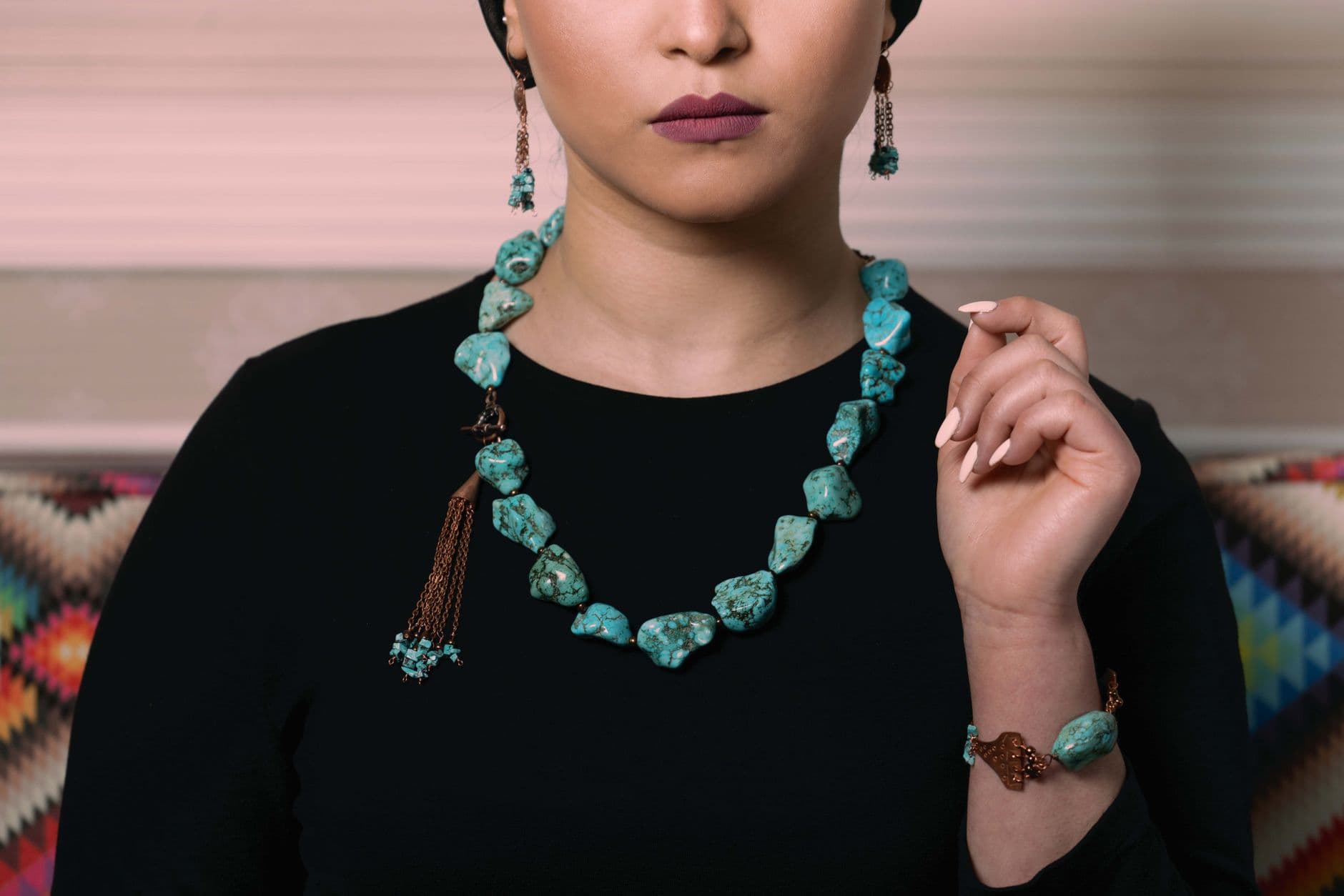
Big colorful beads were one of the most visible takeaways from the show floor, and they are the easiest trend to misread. On the runway, they can look exuberant and fashion-forward; in daily life, they work best when the color story is disciplined and the proportions are considered. A necklace of polished beads in coral, lapis, turquoise, or glass can feel fresh over a plain knit or a white T-shirt, but only if the rest of the piece stays clean.
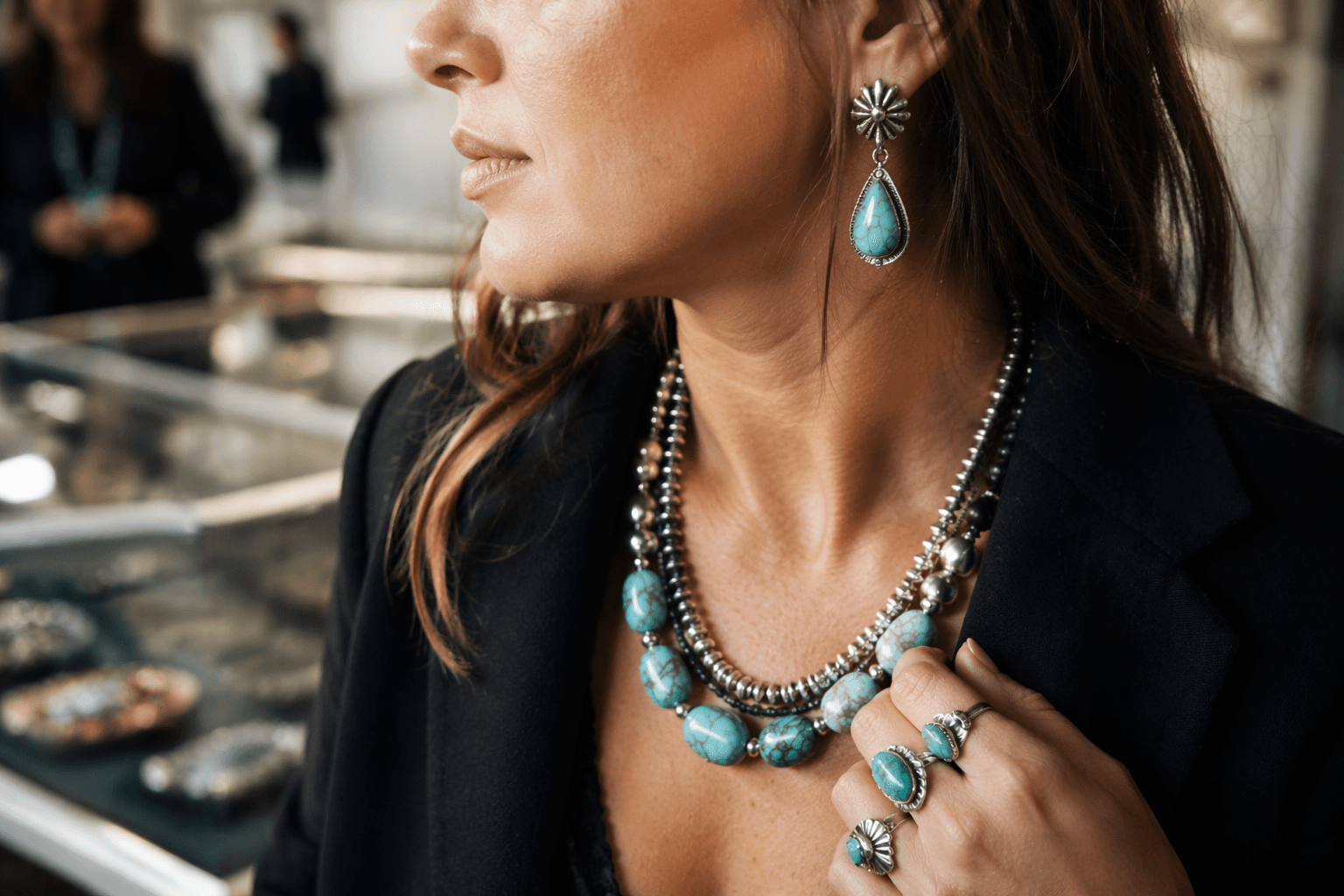
This is where wearability matters more than spectacle. A single strand of substantial beads, or a bracelet with one strong color family, gives you the trend without the full visual volume. Pieces that are too long, too dense, or too mixed in palette can feel costume-like fast, especially if they are layered with other statement jewelry.
If you want the look to hold up beyond one season, look for smooth drilling, secure knotting, and a clasp that feels sturdier than decorative. Heavier beads can stress stringing over time, so construction matters as much as color. The best versions look collected, not clunky.
White metals look like the smartest daily buy
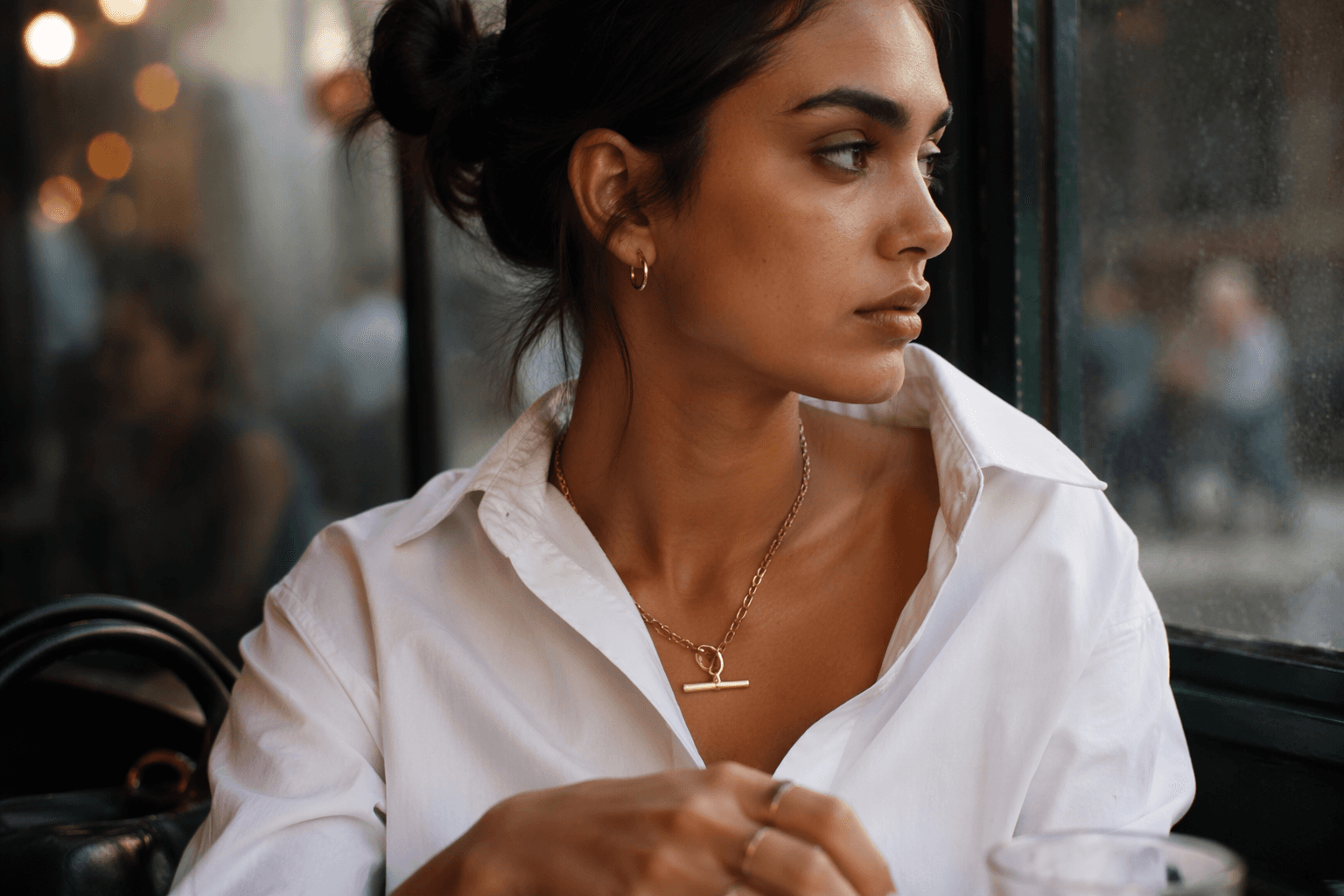
Among all the Vegas themes, white metals may be the most quietly useful for everyday jewelry. Their cool tone makes them easier to layer with both silver and platinum-like finishes, and they offer a cleaner backdrop for turquoise, colored stones, and even leather or cord. In a market where gold prices have been a central conversation, white metals also feel like a practical response to value pressure rather than a compromise.
That is where the broader retail context becomes important. JCK’s pre-show coverage made clear that exhibitors were thinking hard about gold pricing and about how to justify value through design, storytelling, and alternative price points. The World Gold Council has said high gold prices are likely to keep taking their toll on jewelry demand in 2026, which helps explain why white metals and mixed-material pieces are gaining relevance now.
For everyday wear, white metals are especially persuasive when the finish is well done. A bright polish reads modern and versatile; a matte or brushed surface can soften the shine for people who want polish without glare. If your wardrobe leans minimalist, this is the easiest trend to adopt without changing your entire jewelry language.
Charms and whimsical motifs make fine jewelry feel personal
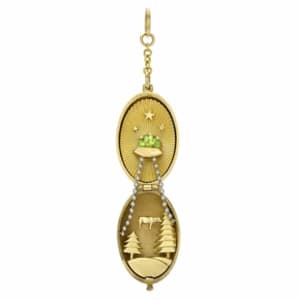
The charm story coming out of Vegas is less about nostalgia than about autobiography. JCK’s forecast highlighted whimsical objects, charms, butterflies, and alternative chains made of ribbon, leather, or silk cord, and that combination points to a more playful way of wearing fine jewelry. The best charm pieces do not simply decorate the body; they let you build a visual sentence, one symbol at a time.
That is why this trend has genuine everyday potential. A single charm on a fine chain, a small cluster at the end of a bracelet, or a pendant that feels like a private reference can all be worn repeatedly without looking overworked. Butterflies can feel sweet in the wrong scale, but in a sharp silhouette or beside a geometric chain, they become graphic and contemporary.
The editorial lesson is simple: keep the whimsy controlled. If the charm itself is bold, let the chain disappear. If the chain has personality, keep the charm small. That balance is what keeps the look from drifting into novelty.
Wood, leather, ribbon, and silk cord are the low-commitment materials to know
Alternative materials were one of the more useful stories to emerge from the week, because they offer visual relief at a time when precious metal prices are high. Wood and leather were among the materials singled out on the show floor, while ribbon and silk cord showed up in the broader Vegas forecast as lighter, more approachable chain alternatives. Each has a different use case, and each needs to be judged by durability, not just style.
Leather is the most convincing of the group for regular wear, provided the finishing is strong and the hardware is secure. It can soften an otherwise formal piece and make a pendant feel more casual and lived-in. Wood can be compelling in earrings or beadwork, but it asks for a gentler life than metal does, especially if the finish is delicate or porous.
Ribbon and silk cord deliver the most immediate softness, but they are also the least rugged. They are ideal when you want the jewelry to feel intentional and light rather than permanent. If you are buying for everyday rotation, think of these as low-commitment style tools, not forever pieces.
Turquoise is the trend that bridges all of it
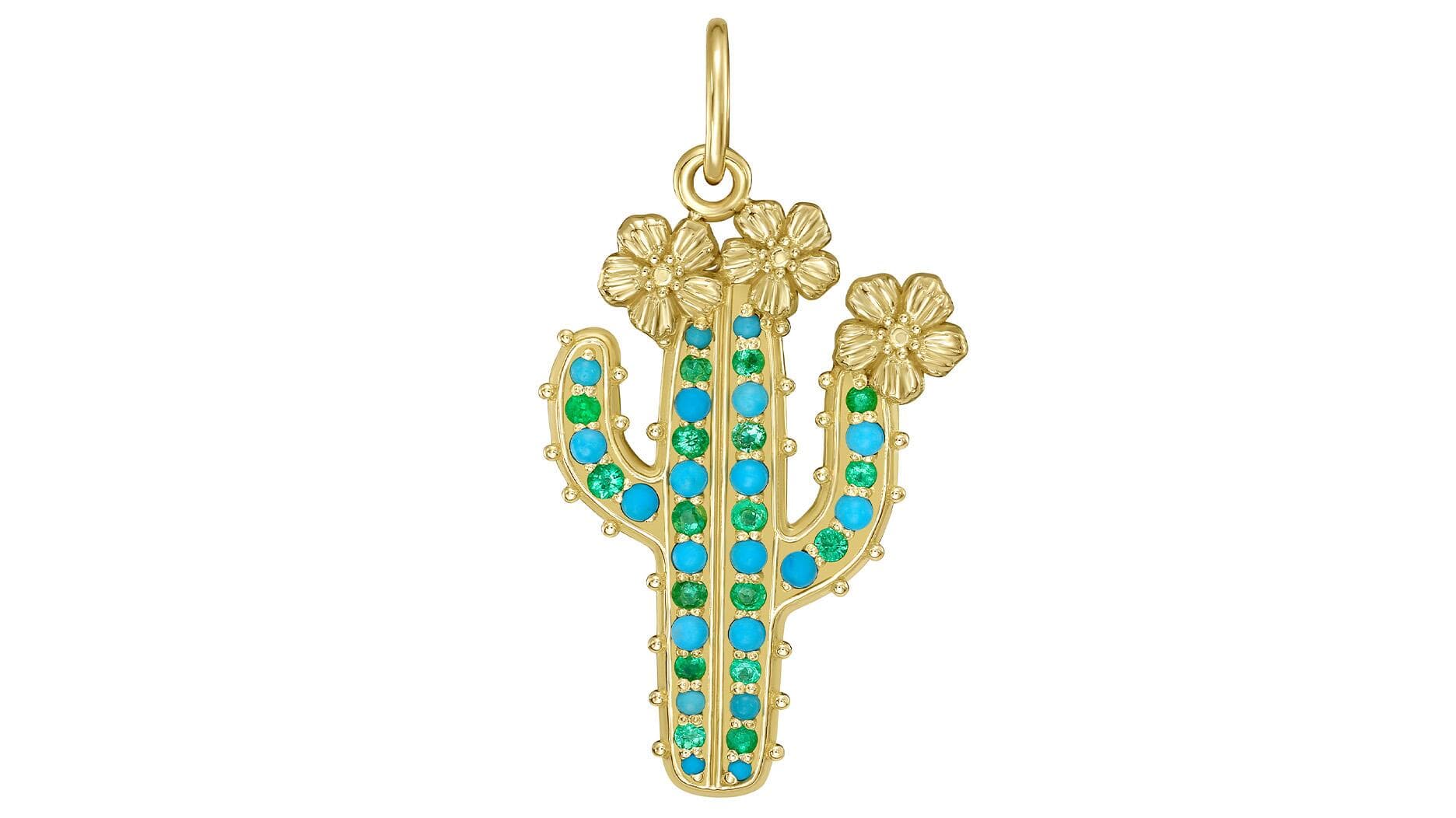
Turquoise may be the single most useful stone in the whole Vegas conversation because it connects Western style, color, and everyday wearability in one material. It can read rustic, modern, or refined depending on the cut and setting. Set in white metal, it feels crisp and graphic; paired with leather or cord, it leans relaxed; mounted as a cabochon in a ring or pendant, it becomes the easiest entry point into the Western mood.
That versatility is why turquoise outlasts pure trend chatter. It is recognizable from across a room, but it does not need a full look to make sense. In a season defined by gold pressure, colorful beads, and alternative materials, turquoise feels less like a decorative flourish and more like a bridge between statement jewelry and daily ritual.
Vegas Jewelry Market Week, framed by Couture at Wynn Las Vegas from May 27 to 31 and JCK and Luxury from June 4 to 7 at The Venetian Expo and The Venetian Resort, drew 17,500 attendees from around the world. That scale matters because the trends that survived this kind of concentrated scrutiny were the ones with real commercial legs. Western flair, big beads, white metals, charms, and turquoise are not just what was photographed on the floor. They are the pieces most likely to translate from showmanship to the jewelry box.
This article was produced by Prism’s automated news system from verified source data, official records, and press releases, then run through automated quality and moderation checks before publishing. The system is built and supervised by the people who set the standards it runs under. Read our full AI policy.
Did this article answer your question?