What JCK 2026 revealed about independent jewelers and retail trends
Independent jewelers left JCK 2026 chasing daily-wear staples, not novelty: bracelets, hoops, silver, yellow gold, and bigger lab-grown stones with clearer value.

The loudest signal from JCK 2026 was not a flashy runway moment. It was a buying pattern: independent jewelers wanted pieces that move every day, hold up to wear, and still make sense when gold sits at $4,585 an ounce.
What sold because it solved a real wardrobe problem
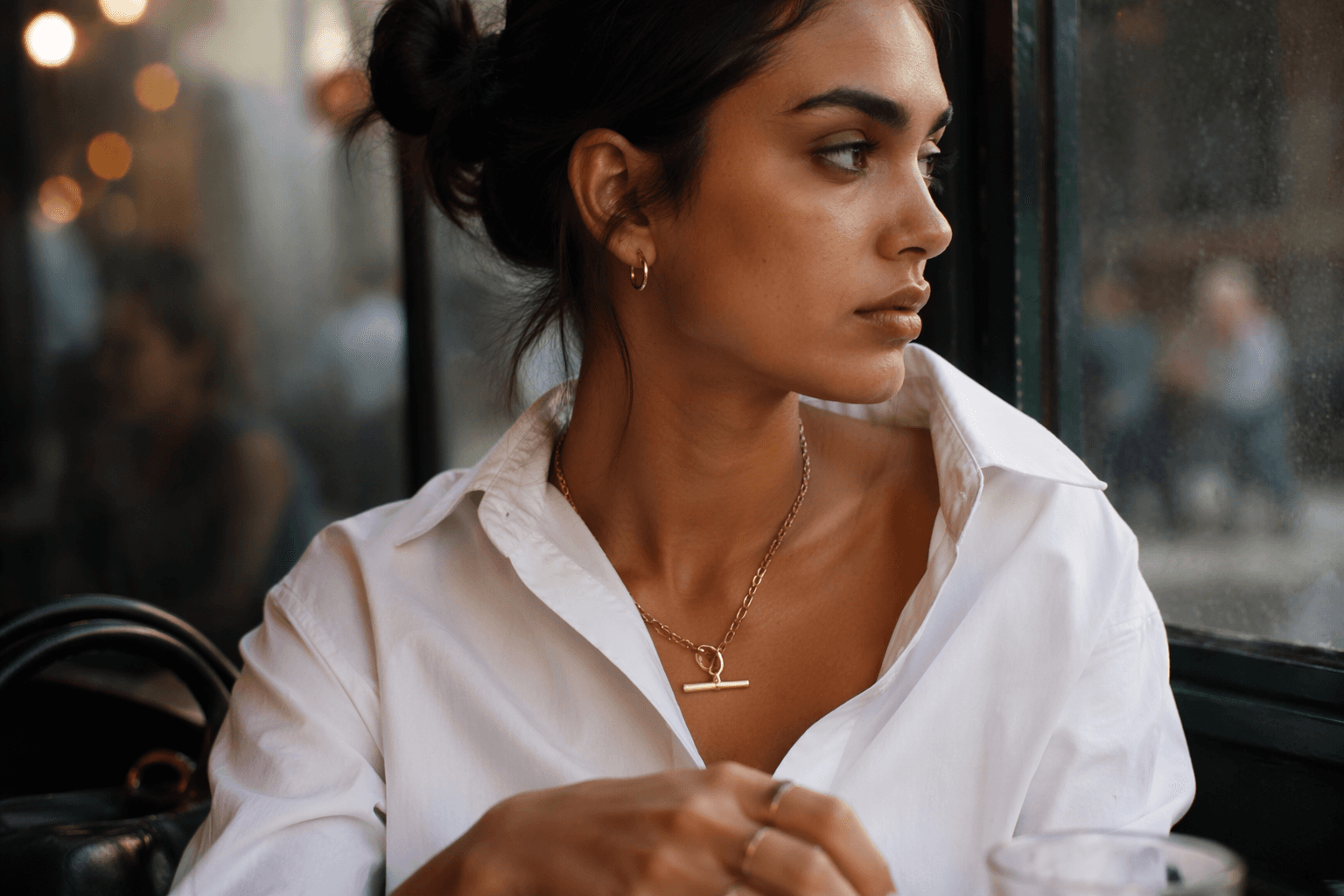
Retailers came to Las Vegas looking for jewelry that fits into ordinary life without feeling plain. Expandable bracelets, flexible and stretch bracelets, cross necklaces, colored gemstone designs, silver jewelry, and yellow gold all surfaced as practical bets because customers are wearing these pieces constantly, not saving them for rare occasions. That mix tells you where the business is: across-the-counter styles that can be layered, stacked, or replaced without a long sales cycle.
The strongest throughline was utility with polish. Silver is back as the lower-cost alternative to gold, while yellow gold still has pull even at record pricing, which means shoppers are not abandoning the metal so much as becoming more selective about where they spend for it. Expandable and stretch constructions also matter because they remove fit anxiety, making them easier to sell as gifts and easier to wear daily.
Gold is expensive, so design has to work harder
Gold’s opening-day price at JCK, $4,585 per ounce, shaped nearly everything on the floor. Exhibitors responded with heavier gold pieces, gemstone strands finished with substantial gold clasps, and more design-led storytelling to justify the ticket and make the material feel worth the jump. That is a different strategy from the old assumption that gold sells itself; now the setting, clasp, and silhouette have to carry part of the value story.
That pricing pressure helps explain why customers are still trading within familiar categories rather than abandoning them. A heavier chain, a more substantial clasp, or a better-executed bracelet gives a retailer a way to move up without leaving the everyday jewelry lane. The result is a market that rewards visible craftsmanship and punishable vagueness less than ever.

Lab-grown diamonds are moving up the size ladder
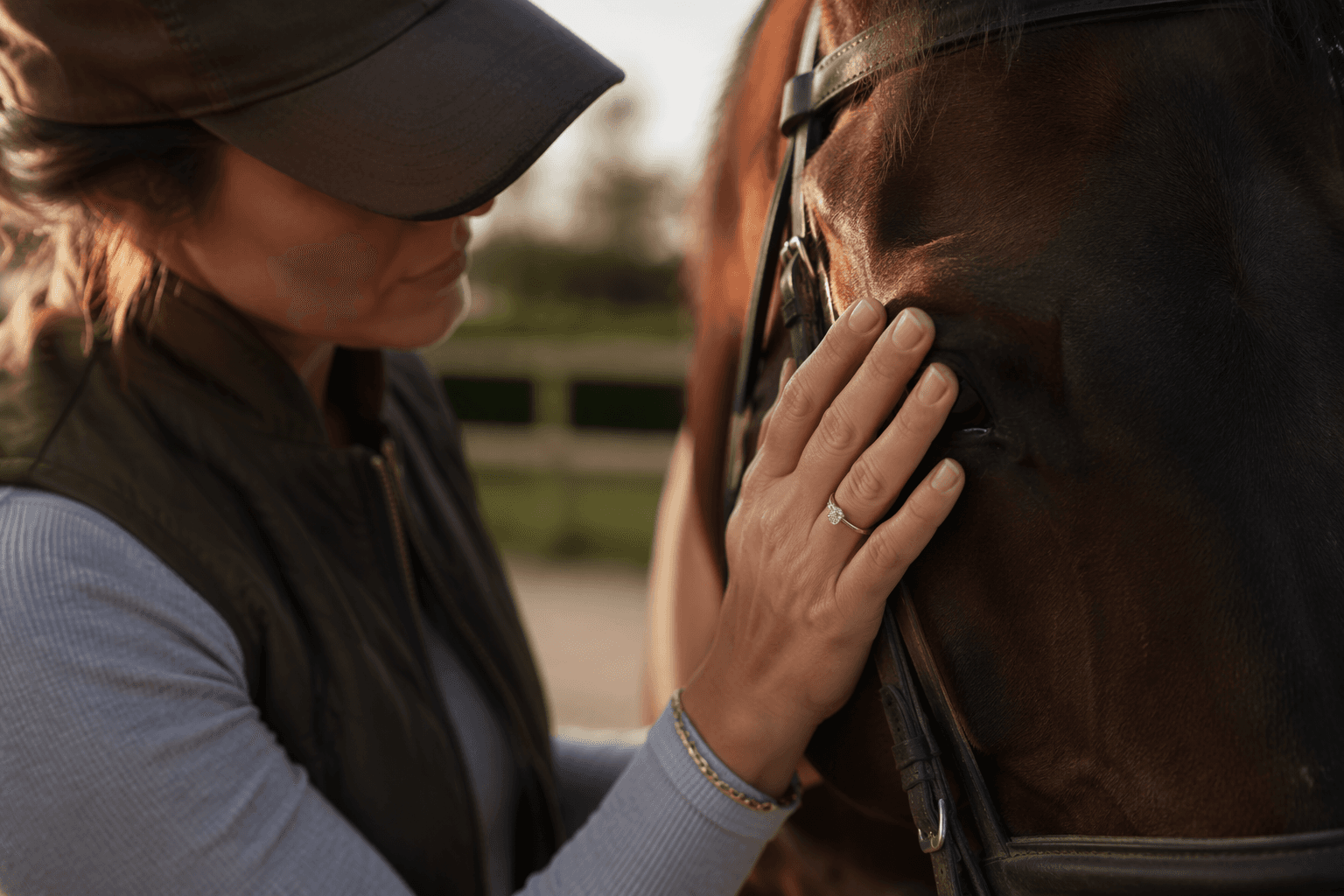
One of the clearest retail signals was demand for lab-grown diamonds in 2-plus-carat engagement rings. That is not a novelty request, it is a size-and-budget decision, and it shows how shoppers are using lab-grown stones to access visual impact they might not reach with mined diamonds at the same budget. For jewelers, the opportunity is in matching that larger stone with smart settings that keep the look clean, secure, and wearable.
This is where customization matters. CAD and technology updates for bridal work came up alongside the larger stones, because buyers want flexibility in design without sacrificing turnaround or margins. The practical takeaway is straightforward: the engagement-ring customer is still spending, but they want more size, more control, and more transparency about what they are getting.
The watch business is no longer separate
JCK and Luxury 2026 added a dedicated watches destination, and that move says a lot about the way independent retail is changing. The watch area included names such as Citizen Watch America, Bulova, Movado, Frederique Constant, Alpina Watches, Accutron, Victorinox, G-SHOCK, CASIO, Fossil Group, Vostok Europe, Benrus, D1 Milano, and Call Sign, reflecting a category that now sits closer to jewelry retail than it once did. The overlap is practical: store owners increasingly want product families that share the same customer, the same showcase traffic, and often the same gift-buying occasion.
For jewelry retailers, watches are not a detour from the core business. They are part of the same conversation about daily wear, price accessibility, and repeat purchases. A dedicated watch zone at a major jewelry show acknowledges that many stores are already merchandising both categories to the same client.
The mood was cautious, but not downbeat
The broader mood among independent jewelers was optimistic, even with gold prices, tariffs, staffing shortages, and economic uncertainty hanging over the week. That combination matters because it explains why the buying emphasis stayed grounded in bread-and-butter categories instead of speculative fashion. Retailers were not hunting for one dramatic breakout item; they were looking for inventory that turns, protects margin, and fits the way people actually dress now.
There was also a more personal business conversation running beneath the buying. More owners are talking about succession planning and retirement while their businesses are still healthy enough to shape the terms. That shift says as much about the state of the independent channel as any trend board: jewelers are thinking not just about what will sell this season, but about how long they want to stay in the business and who will carry it forward.
What to watch on the selling floor next
The useful lesson from JCK 2026 is that independent jewelers are leaning into pieces that can live in a real wardrobe. Daily-wear bracelets, cross necklaces, silver, yellow gold, and gemstone accents are winning because they can be bought, worn, and replaced with minimal friction. The strongest stores will be the ones that pair those staples with clear material stories, smarter construction, and enough design detail to justify every jump in price.
That is the retail play now: fewer empty trend claims, more pieces that earn their place on the hand, at the neck, and in the case.
This article was produced by Prism’s automated news system from verified source data, official records, and press releases, then run through automated quality and moderation checks before publishing. The system is built and supervised by the people who set the standards it runs under. Read our full AI policy.
Did this article answer your question?