White metals set for a summer comeback as platinum gains
White gold, platinum and sterling silver are returning as summer’s cooler uniform, helped by platinum’s discount to gold and a clear shift in everyday wear.
A cooler reset for summer
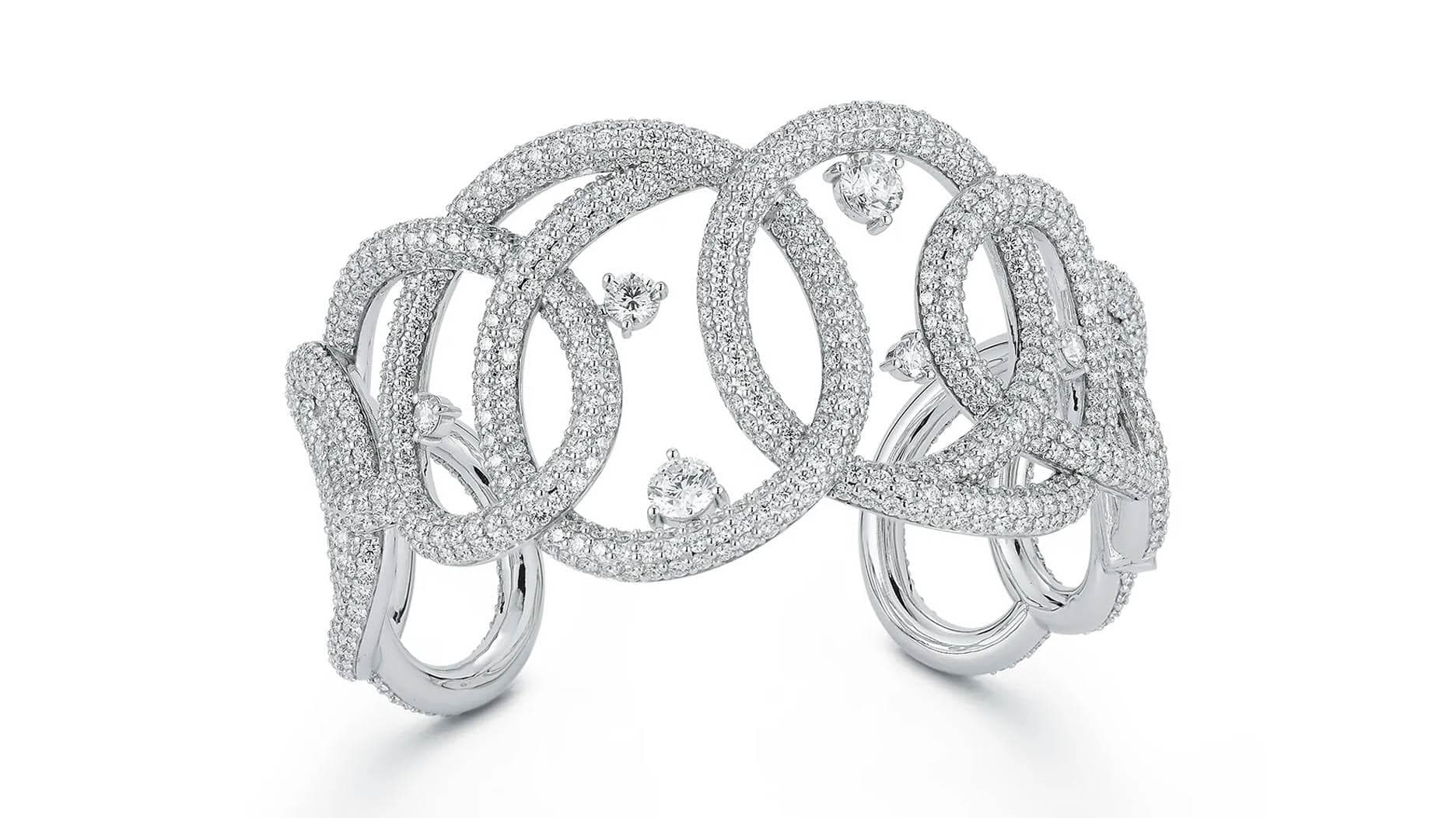
White metals are reclaiming their place in the everyday jewelry rotation, and the appeal is as practical as it is visual. After several years of yellow gold dominating the conversation, white gold, platinum, and sterling silver are reading as cleaner, lighter, and easier to live with when the weather turns hot. They sit close to the skin without shouting, and in a season built around linen, bare arms, and sunlit skin, that restraint feels like luxury rather than absence.
The shift is not only aesthetic. It is also economic, which is why the move toward white metals has real momentum. Gold jewelry consumption fell to a five-year low of 1,542 tonnes in 2025 even as the value of that demand reached a record US$172 billion, a stark sign that high prices are reshaping buying behavior. Platinum, by contrast, has been trading at a discount to gold, and that price gap is helping to redraw what readers may want to wear every day.
Why platinum is getting stronger
Platinum now has the kind of practical case jewelry editors love to make: it is beautiful, durable, and sensible in a market where precious metals have become expensive across the board. The World Platinum Investment Council said global platinum jewelry demand rose 7% in 2025 to a seven-year high, with that momentum tied in part to platinum’s price advantage over gold. The same group expects a 6% pullback in 2026 as North America and Europe consolidate, India faces tariff-related headwinds, and China demand softens, but the bigger story is that platinum has re-entered the conversation as a serious jewelry material, not a niche bridal choice.
That is a meaningful change in positioning. Platinum has long been prized for its naturally white color, which means it does not need replating the way white gold often does when rhodium wears away. It is also typically 90% or 95% pure in most markets, compared with 18-karat gold at 75% purity and 14-karat gold at 58% purity. WPIC notes that platinum fine jewelry weighs about 40% more than 18-karat gold, and that density gives a ring, chain, or bangle a satisfying heft that feels substantial without being flashy.
There is a wearability angle here too. Platinum is highly unlikely to cause skin irritation, which makes it especially appealing for pieces that stay on all day, from sleep to gym to office. In a summer wardrobe, that matters. A metal that stays cool, keeps its color, and does not demand frequent maintenance behaves like an accessory and a habit.
What to swap, and what to keep
The easiest way to make the seasonal switch is not to overhaul your jewelry box. It is to replace the pieces that get the most contact with heat, sweat, and daily friction. White metals shine in exactly those positions: rings worn constantly, chain bracelets that disappear into a stack, huggies that can sit beside a watch, and necklaces that layer cleanly without visual clutter.
A useful summer reset looks like this:
- Swap a high-polish yellow gold ring for a platinum or white-gold band if you want a cooler tone with less visual weight.
- Replace delicate plated pieces with platinum in the settings that take the hardest wear, especially solitaires, three-stone rings, and everyday hoops.
- Keep sterling silver in the mix for lighter layering, but reserve platinum for the pieces you expect to wear constantly.
- Let white metals do the work of unifying the wrist or neckline, then add one warmer accent if you still want contrast.
The styling advantage is subtle but important. White metals are quieter next to summer fabrics, which lets shape and craftsmanship come forward. A bezel-set pendant reads modern and streamlined in platinum. A pavé hoop in white gold looks crisp rather than ornate. A flat link bracelet in sterling silver can give a stack the kind of brightness that makes tan skin and crisp cotton pop without trying too hard.
Retailers are treating platinum as an everyday category
That shift is showing up at the counter. Platinum Guild International USA surveyed 300 fine jewelry retailers for its 2026 Retail Barometer, and more than three-quarters said they plan to add platinum inventory. More than half said they had already converted some portion of their white-gold business to platinum, and non-bridal platinum sales grew more than 24% in 2025. Those are not bridal-only numbers; they suggest a broader recalibration of what customers are asking to wear on a Tuesday.
The regional data reinforces the point. In Japan, platinum jewelry unit sales rose 1.5% year over year in the fourth quarter of 2025. In India, retail sales of platinum jewelry at strategic partner stores rose 10% year over year in the same period. Even where tastes differ, the appeal is converging around the same idea: platinum is no longer just the metal of ceremony. It is being treated as a durable design material with real everyday mileage.
That retailer confidence matters because jewelry trends tend to move fastest when the trade starts editing its assortment around behavior, not theory. When jewelers allocate more space to platinum, they are responding to how customers actually live: stacking, showering, traveling, lifting weights, commuting, and wanting pieces that keep their shape and color through all of it.
How the market is framing the opportunity
The macro backdrop helps explain why this feels like a genuine reset rather than a short-lived mood. CME Group, summarizing WPIC commentary, said platinum jewelry demand has benefited since the end of 2024 from its price discount to gold. Heraeus Precious Metals went further in December 2025, forecasting that platinum would remain significantly discounted versus gold in 2026 even as precious metals stay elevated. That makes platinum especially compelling for buyers who want white metal presence without gold’s current price burden.
On the style side, MJSA’s Amanda Gizzi has described white metals, especially platinum, silver, and white gold, as preparing for a return after years of yellow gold dominance. That feels right because the new appeal is not nostalgia. It is flexibility. White metals can read minimal, polished, modern, and quietly luxurious all at once. They work with summer’s easier clothes, and they make everyday jewelry feel less like adornment and more like part of the uniform.
The most useful white-metal pieces are the ones that can move through the day without asking for attention: a platinum band that never needs replating, a white-gold chain that layers cleanly, a sterling-silver bracelet that brightens a stack, or a pair of hoops that look as sharp at breakfast as they do at dinner. In a season that rewards lightness, white metals are not a retreat from richness. They are the refined form of it.
This article was produced by Prism’s automated news system from verified source data, official records, and press releases, then run through automated quality and moderation checks before publishing. The system is built and supervised by the people who set the standards it runs under. Read our full AI policy.
Did this article answer your question?