Why the jewelry capsule wardrobe is shaping everyday style
A jewelry capsule wardrobe trims the clutter to a few high-rotation pieces, led by hoops, cuffs, and one diamond that earns its place from desk to dinner.

A medium pair of hoop earrings, a slim cuff, and one stone you actually wear will do more real work than a drawer full of mismatched buys, especially when every piece can move from weekday layering to evening polish.
The small collection that does the most
The capsule idea has moved well beyond styling shorthand. NET-A-PORTER’s 2025 jewelry capsule guide centers hoop earrings and cuffs, the pieces that change an outfit fastest without dictating the whole look. A few objects can carry a surprising number of combinations.
Statista tracks U.S. retail jewelry sales, jewelry-store counts, and consumer expenditure through 2024. A 2025 to 2026 market report valued the U.S. jewelry market at $45.5 billion in 2024 and projected growth to $70.2 billion by 2034.
Build the capsule from the center out
The most disciplined way to buy jewelry is to begin with shape, then metal, then stone. Start with one metal family so the pieces naturally speak to each other, whether that is yellow gold, white gold, or sterling silver, and only add a second tone once the first set is already doing real work in your life. A capsule loses its clarity when every new purchase arrives as a lone exception.
A hard-working core can be built in a very small number of pieces:

1. A medium pair of hoop earrings, because hoop size changes the mood instantly and works with everything from T-shirts to tailoring.
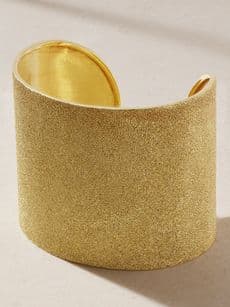
2. A cuff, ideally slim enough to layer but substantial enough to stand alone.
3. A plain chain necklace or collar that sits cleanly against knitwear and button-downs.
4. A low-profile ring, such as a band with a smooth surface or a modest stone set close to the finger.
5. One stone piece that can be worn often, not saved for a hypothetical event.
That last item is where setting matters. A bezel setting frames the stone in metal and usually feels better suited to daily wear because it reads as secure and streamlined. Prong settings let more light into the stone and can look airier, but they also ask more of the wearer, especially around sweaters, hair, and the scrape of an ordinary day. In a capsule, comfort keeps the piece in rotation.
Why one diamond can carry the edit
De Beers Group’s June 11, 2026 Diamond Report, based on a study of 18,500 women in the U.S. market, found that natural diamonds remain the most desired luxury jewelry product among the consumers studied. Average diamond purchase prices increased 25 percent, Gen Z is now the second-largest generation buying diamonds, and non-bridal occasions account for three-quarters of overall U.S. demand.
When three-quarters of demand is non-bridal, the useful diamond is no longer just an engagement silhouette waiting for a ceremony. It can be a small pendant, a pair of studs, or a ring that lives comfortably with denim and cashmere. For everyday wear, a bezel-set diamond often feels more practical than a high prong mounting because it sits closer to the hand or neckline and resists snagging.
What the capsule is really buying
The real value of the capsule wardrobe is edit discipline. A good capsule cuts off the impulse to buy the kind of decorative object that looks beautiful in a case but never finds a place in actual life. Hoops handle the quick change from casual to polished. A cuff adds structure without the commitment of a full bracelet stack. One stone piece brings light and depth without turning every outfit into a statement.
That logic is old, even if the language is new. The Metropolitan Museum of Art’s ancient Egyptian jewelry publication spans pre-dynastic shell necklaces to Roman-period gold earrings, and its materials note bangles, bead necklaces, and gold ornaments that sometimes took on amuletic value through long use. Jewelry in that world functioned as portable identity, protection, and visible memory.
Ancient Egyptian jewelry also crossed social classes and eras. From shell necklaces to gold earrings, the materials changed. People layered pieces, repeated them, and let them gather meaning through wear.
The upgrade order that keeps buying under control
The strongest capsule is built in stages, not all at once. Buy the pieces that solve the most dressing problems first, then move outward to pieces that sharpen the palette:
- Start with everyday earrings, because they frame the face and are worn most often.
- Add the cuff or bracelet next, because it gives a wrist line without requiring a full stack.
- Choose the necklace after that, because length and neckline need to answer the clothes you actually own.
- Finish with the ring or diamond piece, once you know what your wardrobe still needs.
It also guards against the most expensive mistake in jewelry buying, which is treating a single beautiful object as if it were automatically versatile.
This article was produced by Prism’s automated news system from verified source data, official records, and press releases, then run through automated quality and moderation checks before publishing. The system is built and supervised by the people who set the standards it runs under. Read our full AI policy.
Did this article answer your question?