Wisconsin jeweler helps stop $47,000 elder gold scam
A Waukesha jeweler spotted an 84-year-old customer buying $30,000 in gold, then flagged a scam that police say may have targeted $47,000.
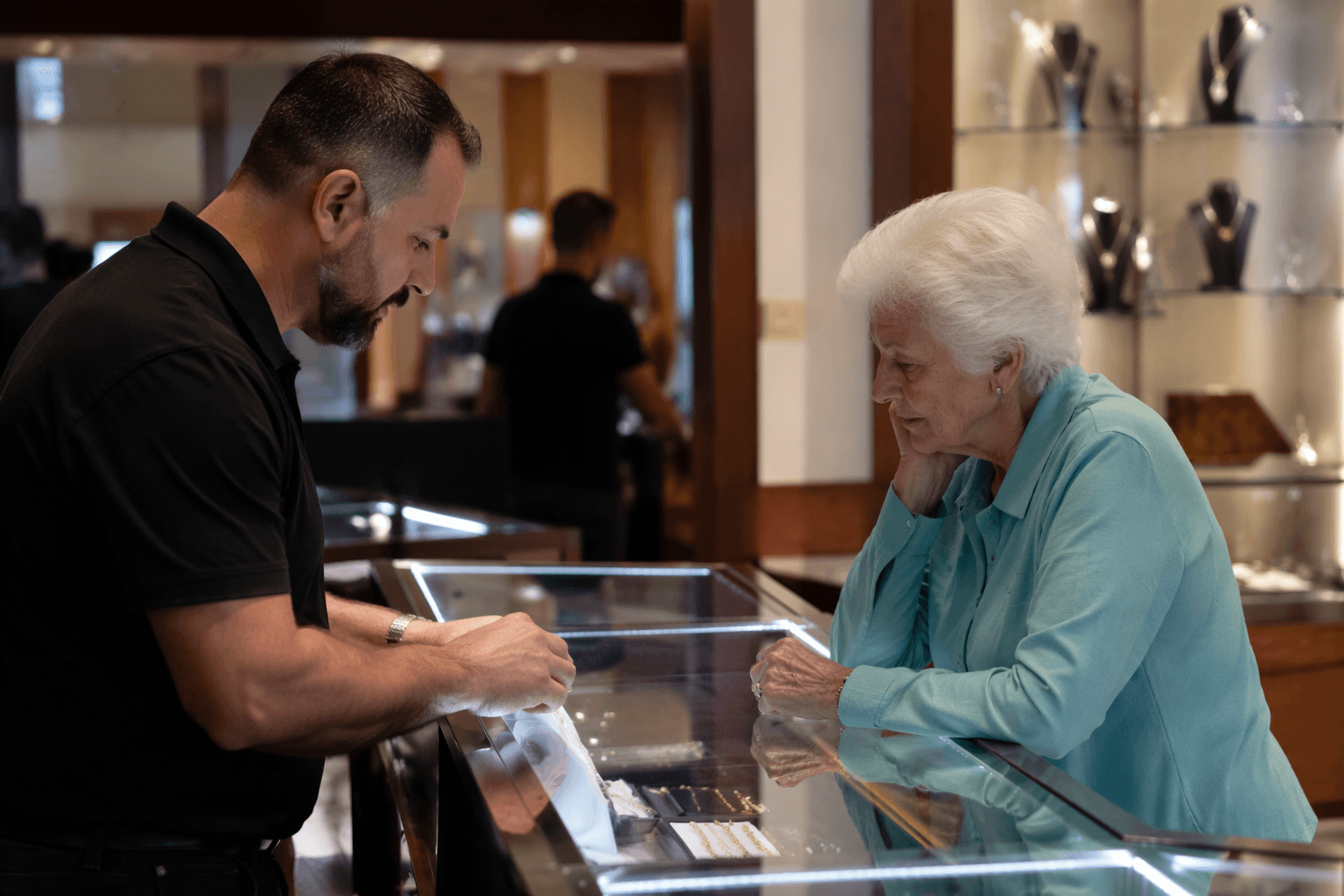
Yianni Roupas stopped a gold sale at Costa’s Fine Jewelry and Coins in Waukesha after an 84-year-old woman walked in asking to buy $30,000 in gold and could not explain why. Roupas, who co-owns the shop, said the woman seemed jittery, did not care which pieces were in stock, and ultimately selected six gold coins before writing a $30,000 check.
Roupas had already fielded a suspicious phone call earlier that same day. A man claiming to be a local resident called from an out-of-state number, mispronounced Waukesha, asked whether the store had $30,000 in gold, and then requested a bank wire number. Roupas refused, contacted police, and held the coins while his shop waited the usual five to seven days for a check to clear before releasing merchandise.
Waukesha police said the woman was also being pressured to produce another $17,000 in cash, lifting the suspected theft attempt to as much as $47,000. WISN 12 News identified her as a Brookfield resident. The case fits the FBI’s definition of elder fraud, which covers fraudulent activity targeting people age 60 and older, and it lands in a brutal national pattern: in 2025, complaints to the FBI Internet Crime Complaint Center from victims over 60 topped 201,000 and losses exceeded $7.7 billion, with average reported losses of more than $38,000 for older victims.
The warning signs in Waukesha matched the pattern federal agencies keep flagging. The Federal Trade Commission says an unexpected instruction to buy gold bars and hand them to someone else is a scam signal, and the Commodity Futures Trading Commission has warned that precious-metals fraud often targets older adults because retirement savings can be easier for criminals to reach. In practice, the red flags were plain: a rushed or unexplained purchase, indifference to the actual inventory, a caller who could not speak like a real local, and a request for a wire transfer number before a single coin left the case.
Roupas’ intervention turned a jewelry counter into a fraud checkpoint. For retailers, the lesson is to slow every high-value gold purchase, verify who is really asking for the metal, and treat any pressure to move money, wire funds, or hand gold to a stranger as an emergency, not a normal sale.
This article was produced by Prism’s automated news system from verified source data, official records, and press releases, then run through automated quality and moderation checks before publishing. The system is built and supervised by the people who set the standards it runs under. Read our full AI policy.
Did this article answer your question?