British Museum’s Tudor Heart pendant reveals Henry VIII and Katherine of Aragon links
Found in Warwickshire and now on display in London, the Tudor Heart is a 24-karat gold pendant tied to Henry VIII and Katherine of Aragon, with a survival story as rich as its courtly symbolism.
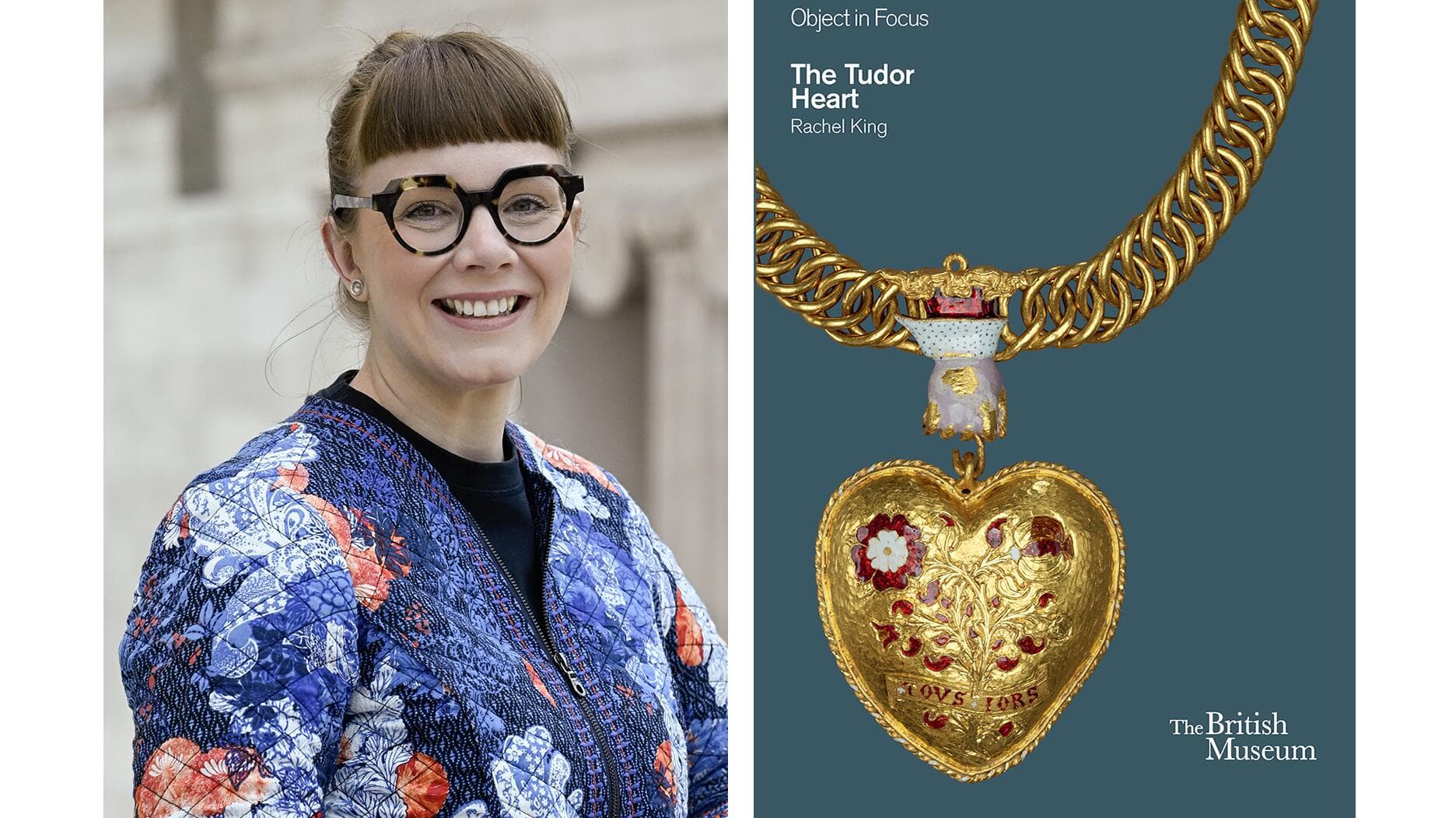
The Tudor Heart has the kind of weight, literally and historically, that turns a jewel into evidence. Found in Warwickshire by a metal detectorist in 2019 and reported under the Treasure Act 1996, the 24-karat gold pendant and chain now on display at the British Museum are believed to have belonged to Henry VIII and Katherine of Aragon. The object’s appeal is not only royal provenance, but survival: a heart-shaped pendant, an enamelled suspension link in the form of a hand, and a chain of 75 links, all of it preserved well enough to read as both ornament and argument.
Rachel King, curator of Renaissance Europe at the British Museum, has made that argument the center of her new book in the museum’s Object in Focus series, due on 14 May 2026. The pendant and chain are dated to the last years of the 1510s, likely made for a 1518 royal tournament, when Henry VIII was still shaping the image of his reign through display, gift-giving and gold. The book places the jewel in that early Tudor moment, before the influence of Hans Holbein the Younger, when court magnificence was still being built through objects that fused devotion, dynastic propaganda and wealth.
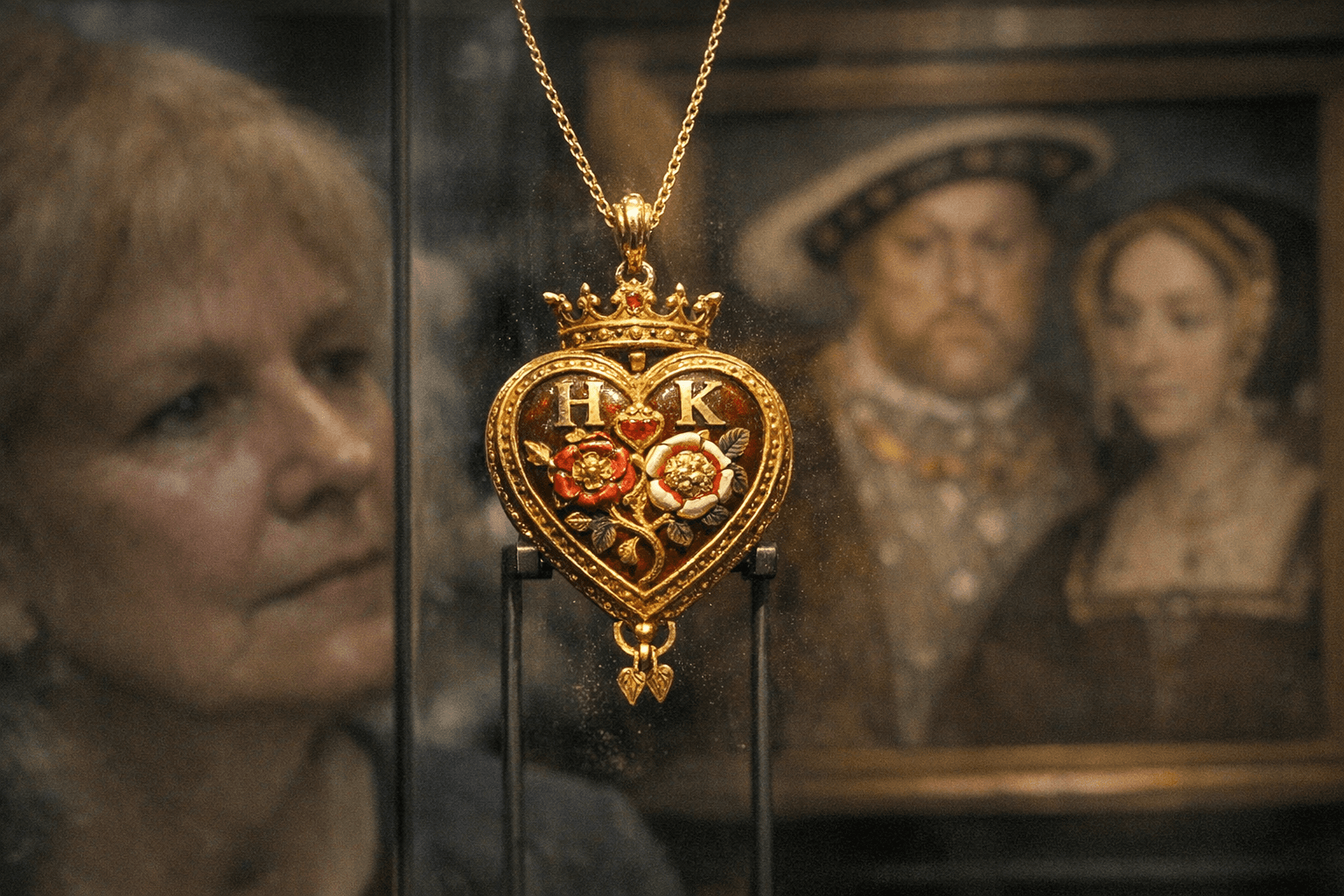
The details matter because historians read antique gold the way gemologists read a setting. They look at the metal first: the pendant, chain and clasp weigh more than 0.3 kilograms and are largely 24-karat gold, with over 3 metres of gold wire in the chain alone. They look at construction, too, from the 75-link chain to the enamelled hand that suspends the heart. Then comes iconography: an entwined Tudor rose and pomegranate on the front, a direct reference to Henry and Katherine, and the initials H and K on the reverse, linked by ribbon. The motto, + TOVS + IORS, works as a pun on the French for always, a courtly flourish that also acts as dynastic messaging in miniature.
That is why the Tudor Heart became a funding story as well as a museum story. The British Museum raised £3.5 million to keep the piece in public hands, including £1.75 million from the National Heritage Memorial Fund, a £500,000 pledge from the Julia Rausing Trust and more than 45,000 individual donations. For a jewel like this, value is measured in carats, but also in context, rarity and the chain of evidence that ties an object to a reign. The museum has said it plans future touring display opportunities, including a showing in Warwickshire near the place where the heart was found, a fitting return for a jewel that now belongs as much to the nation’s story as to Tudor romance.
This article was produced by Prism’s automated news system from verified source data, official records, and press releases, then run through automated quality and moderation checks before publishing. The system is built and supervised by the people who set the standards it runs under. Read our full AI policy.
Did this article answer your question?