Buying platinum, gold, and silver jewelry — consumer guide
One missing stamp on a gold piece can signal a fake worth a fraction of what you paid — here's how to read every mark before handing over your money.
The difference between a $400 solid gold chain and a $40 gold-plated one can come down to a stamp the size of a grain of rice. That's not a metaphor: the Federal Trade Commission's Jewelry Guides, codified under 16 CFR Part 23, require sellers to disclose the precise composition of every precious-metal piece they sell. Knowing how to read those disclosures, and knowing which questions to ask when they're missing, is the single most practical skill any jewelry buyer can develop.
Karat: The Number That Tells the Whole Story
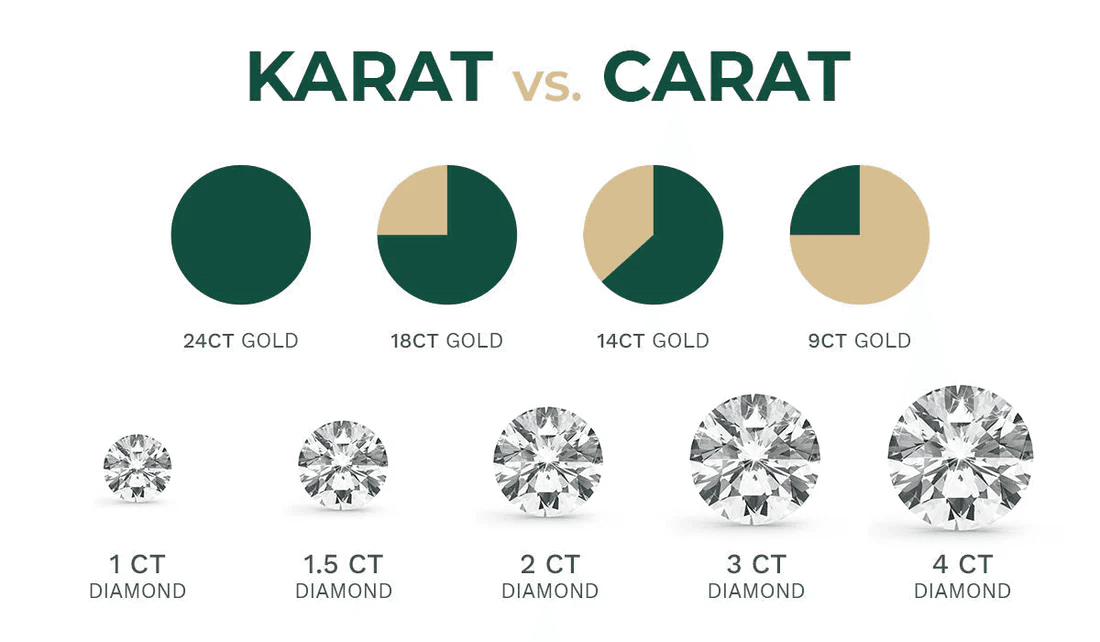
Pure gold, designated 24 karat (24K), is too soft for most jewelry. Jewelers alloy it with other metals to create something wearable, and the karat stamp tells you exactly how much actual gold you're getting. An 18K piece is 18 parts gold and 6 parts other metal. A 14K piece is 14 parts gold and 10 parts other metal. The math is always out of 24. Under FTC rules, any piece stamped with a karat designation must have the fineness mark displayed as conspicuously as the word "gold" itself. You should never see a price tag that says "gold" in large letters and "10K" in tiny type; that asymmetry is, by definition, deceptive.
One important update to the Guides: sellers may now use the word "gold" to describe products below the traditional 10K threshold, provided the fineness is clearly disclosed. A piece stamped "8K gold" is legal. What isn't legal is calling it simply "gold" without qualification.
Reading the Hallmark: Karat Mark Plus Trademark
A karat stamp alone is not enough. Federal rules require that every piece of gold or silver jewelry bearing a quality mark also carry the registered trademark of the manufacturer or dealer, placed directly beside the karat mark and in lettering at least as large. That trademark, whether a name, a symbol, or a set of initials, is what creates accountability. If a dispute arises over the actual metal content, it tells you exactly who stands behind the mark. The FTC's guidance is unambiguous: if you are considering a piece of gold jewelry and there is no trademark adjacent to the karat mark, do not buy it.
Legibility is also a legal requirement. Quality marks must be readable by a person with normal vision. Tags and labels must remain attached to the piece until the moment of purchase.
Solid Gold vs. Plated vs. Filled vs. Vermeil: A Hierarchy That Matters
This is where most consumer confusion, and most misrepresentation, lives. The terms are not interchangeable, and neither are their values.
"Solid gold" means the item is not hollow. It still carries a karat mark like 14K or 18K, and that mark tells you the alloy's purity. Hollow pieces, including tubes and some chain styles, must disclose their construction near the quality mark, as in "14K Gold Tubing."
"Gold filled," "gold overlay," and "rolled gold plate (RGP)" describe jewelry with a mechanically bonded layer of at least 10 karat gold applied to a base metal such as nickel. The karat quality of the gold and the type of construction must both appear in the marking: "14K gold overlay" or "12K RGP." When that gold layer represents less than one-twentieth of the total metal weight, the marking must state the exact fraction: "1/40 14K gold overlay."
"Gold electroplate" means the piece has received a layer of at least 10 karat gold, with a minimum thickness of 0.175 microns, deposited via an electrolytic process. "Heavy gold electroplate" requires a minimum thickness of 2.5 microns.
Vermeil occupies its own category: a sterling silver base coated with gold or a gold alloy of at least 10 karat fineness, at a minimum thickness of 2.5 microns throughout all significant surfaces. The sterling silver base is what separates genuine vermeil from ordinary gold-plated brass or copper.
At the bottom of the hierarchy sit "gold flashed" and "gold washed," terms describing electroplating so thin it will wear through faster than any of the above. Ask any seller who uses these phrases to explain exactly what they mean in measurable terms.
The Rhodium Disclosure You're Probably Not Getting
White gold is almost always rhodium-plated in manufacturing to enhance its bright white appearance. When that rhodium layer wears away, the piece begins to show the yellow or off-white tone of the underlying gold alloy, something many consumers mistake for tarnish or damage. The FTC Guides require sellers to disclose rhodium coatings. A properly marked 14 karat white gold ring with rhodium plating should read: "14K WG – RH. Plated." If you've ever been surprised by a white gold piece that seemed to "yellow" over time, this is why. Ask before you buy.

Weight, Workmanship, and Why Price Isn't Arbitrary
Two 14K gold rings can carry very different prices, and both can be entirely legitimate. Weight is the most direct factor: more metal content means more cost. But workmanship, including hand-engraving, intricate chain construction, or stone setting labor, also drives price independently of the metal. When evaluating a piece, ask the seller to break down cost between material and craft. A reputable jeweler will always be able to do this.
The 5 Questions to Ask Before You Pay
1. Is this solid, filled, plated, or vermeil? Make the seller state the construction category explicitly and show you the marking that confirms it.
2. What does this piece weigh, and what is the gram price? Weight verification lets you cross-check the piece's metal value against spot price and detect underkarating.
3. What is your return and exchange policy, and can I have that in writing? FTC guidance recommends getting return policies in writing before purchase.
An unwillingness to commit suggests an unwillingness to stand behind the product.
4. Does this piece carry a warranty or repair guarantee? Prongs wear, clasps break, and plating thins.
A jeweler who offers no servicing commitment after the sale is a seller who expects you to accept whatever condition the piece arrives in permanently.
5. Can you provide a written appraisal or certificate of metal content? For any significant purchase, a written appraisal from an independent, credentialed appraiser is documentation you may need for insurance, resale, or dispute resolution.
The FTC Guides require that appraisers use the same terminology and standards set out in the Guides themselves, so a vague appraisal using non-standard language is a red flag.
Vetting the Seller Before the Jewelry
The piece on the counter matters less than the person selling it. Before committing to any jeweler, search the seller's name alongside the words "complaint" or "review" in a general search engine. Ask people you know personally for referrals rather than relying solely on social media endorsements. The FTC Guides extend to every level of the trade, covering manufacturers, wholesalers, suppliers, and retailers, and apply equally to advertising, labeling, and in-store verbal representations. Misrepresentation at any of those points is actionable.
Under the Lanham Act, a buyer who discovers that a Tiffany hallmark, or any other registered trademark, was falsely placed on a piece not made by that manufacturer has legal standing to pursue that claim. The registered trademark requirement isn't bureaucratic formality; it is the mechanism by which you can identify who defrauded you.
Your Screenshot-Ready Cheat Sheet
- 24K = pure gold (too soft for most jewelry)
- 18K = 75% gold; 14K = 58.3% gold; 10K = 41.7% gold
- "Solid gold" = not hollow; still needs karat stamp
- Gold filled/overlay/RGP = bonded gold layer, at least 10K, mechanically applied
- Gold electroplate = electrolytic application, minimum 0.175 microns, at least 10K
- Vermeil = sterling silver base + minimum 2.5 microns of 10K+ gold
- Gold flashed/washed = thinnest coating, shortest lifespan
- Karat mark + manufacturer trademark must both appear, in equal type size
- No trademark next to the karat mark? Walk away.
- White gold = usually rhodium-plated; seller must disclose this
- Sterling silver = 925 parts per thousand pure silver (marked "925")
- Get return policy, appraisal, and any origin claims in writing
The stamp on a ring's inner shank is not a formality. It is a legal declaration. Learning to read it takes thirty seconds and can save you hundreds of dollars, or steer you toward a piece genuinely worth every cent of its price.
This article was produced by Prism’s automated news system from verified source data, official records, and press releases, then run through automated quality and moderation checks before publishing. The system is built and supervised by the people who set the standards it runs under. Read our full AI policy.
Did this article answer your question?