China’s Gold Jewelry Market Splits, Heritage Luxury Surges, Mass Market Innovates
China’s gold market is splitting in plain sight: heavy heritage pieces are becoming luxury signals, while lighter designs keep the wider market alive.
A market that is shrinking in grams, not in relevance
China’s gold jewelry story is not collapse, it is sorting. The World Gold Council said global gold jewelry demand fell 11% in 2024 to 1,877 tonnes, while China’s demand dropped 24% year on year, a sharp volume decline that still leaves the country at the center of the category. China’s second quarter was especially weak, with gold jewelry demand sinking to 86 tonnes, the lowest second-quarter level since 2009, and first-half consumption falling 18% to 270 tonnes. Yet the market’s sheer scale has not disappeared, especially since China overtook India in 2023 to become the world’s largest gold jewelry consumer.
That combination of softer volumes and stubborn value explains why the category now looks bifurcated rather than broken. High gold prices have pressured demand, but they have also pushed consumers and brands to make harder choices about weight, design, and symbolism. In other words, the market is not simply losing buyers. It is separating them into those who want gold as a visible mark of status and tradition, and those who want the material, but in a lighter, more adaptable form.
Laopu Gold and the rise of heritage as luxury
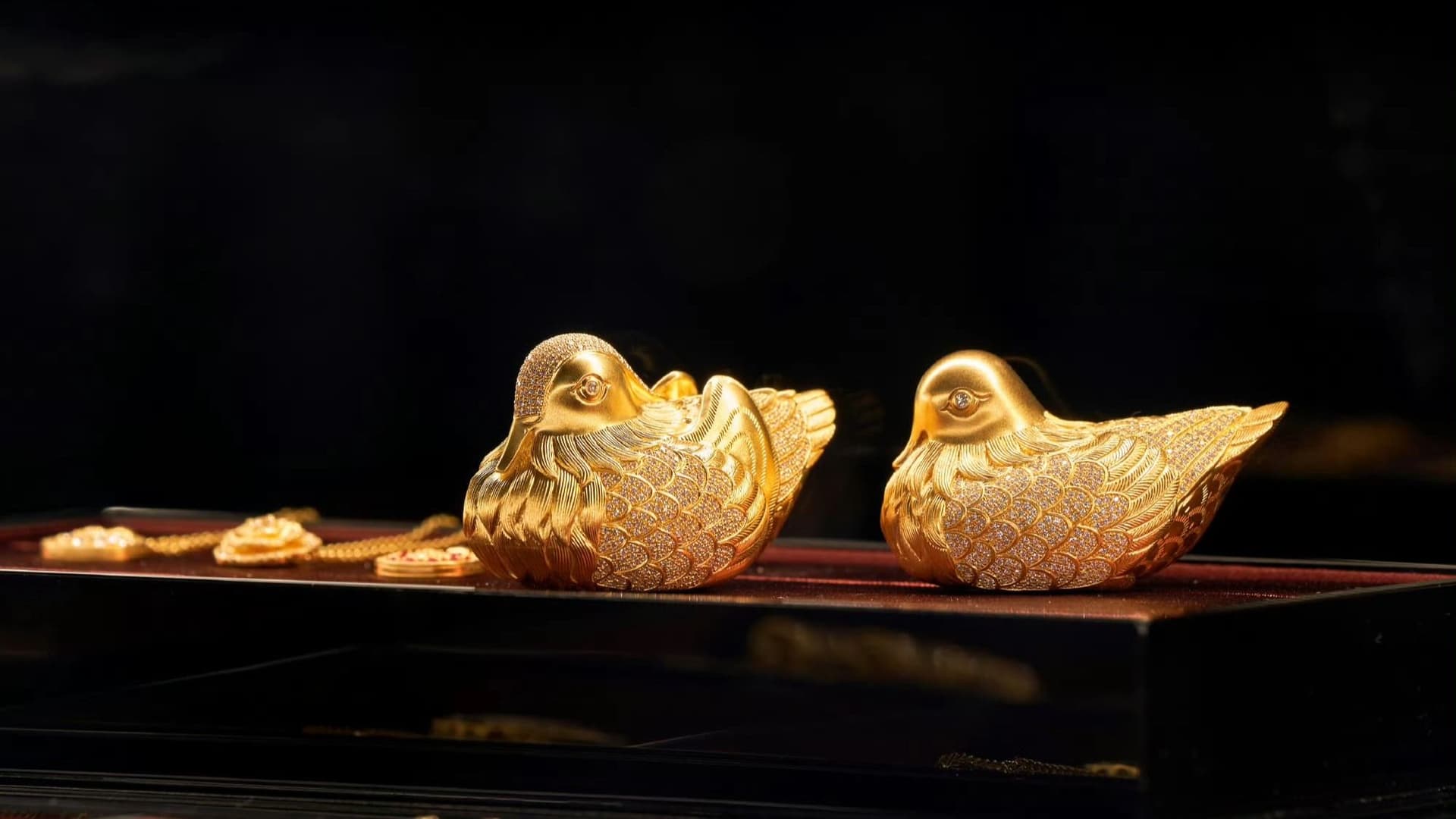
Laopu Gold is the clearest expression of the premium track. The brand specializes in Chinese-style heritage gold jewelry rooted in traditional craftsmanship and cultural motifs, and it has turned that aesthetic into a luxury proposition with striking financial results. In 2024, revenue reached 8.506 billion yuan, up 167.51% year on year, while profit attributable to shareholders rose 253.86% to 1.473 billion yuan. Gross margin held at about 41.2%, a reminder that this is not just a cultural story, but a highly profitable one.
The brand’s momentum accelerated after its June 2024 Hong Kong listing, when its stock price surged and attention widened beyond mainland China. Its 2024 annual results were released in March 2025, and later coverage said first-half 2025 revenue and profit kept outpacing expectations. That kind of growth suggests that affluent buyers are still willing to pay for gold when it is framed not as commodity jewelry, but as a piece with narrative weight, heritage detail, and unmistakable social signaling.
Laopu’s appeal lies in what it makes gold mean. A piece with Chinese motifs, traditional surface treatment, and a visibly substantial silhouette does more than sit on the body. It announces taste, wealth, and cultural fluency at once. In a market where a simple chain can read as ordinary, heritage gold has become the equivalent of a status object with a story attached.
The mass market is answering with lighter weight and sharper design
The other half of the market is responding very differently. Industry coverage in late 2024 described Chinese gold jewelry makers transforming traditional forms into more avant-garde pieces to appeal to younger consumers, while brands refined pricing and product strategies to address different budgets. That shift matters because it shows the category is learning to survive high prices not by abandoning gold, but by reshaping what a gold piece needs to feel like.
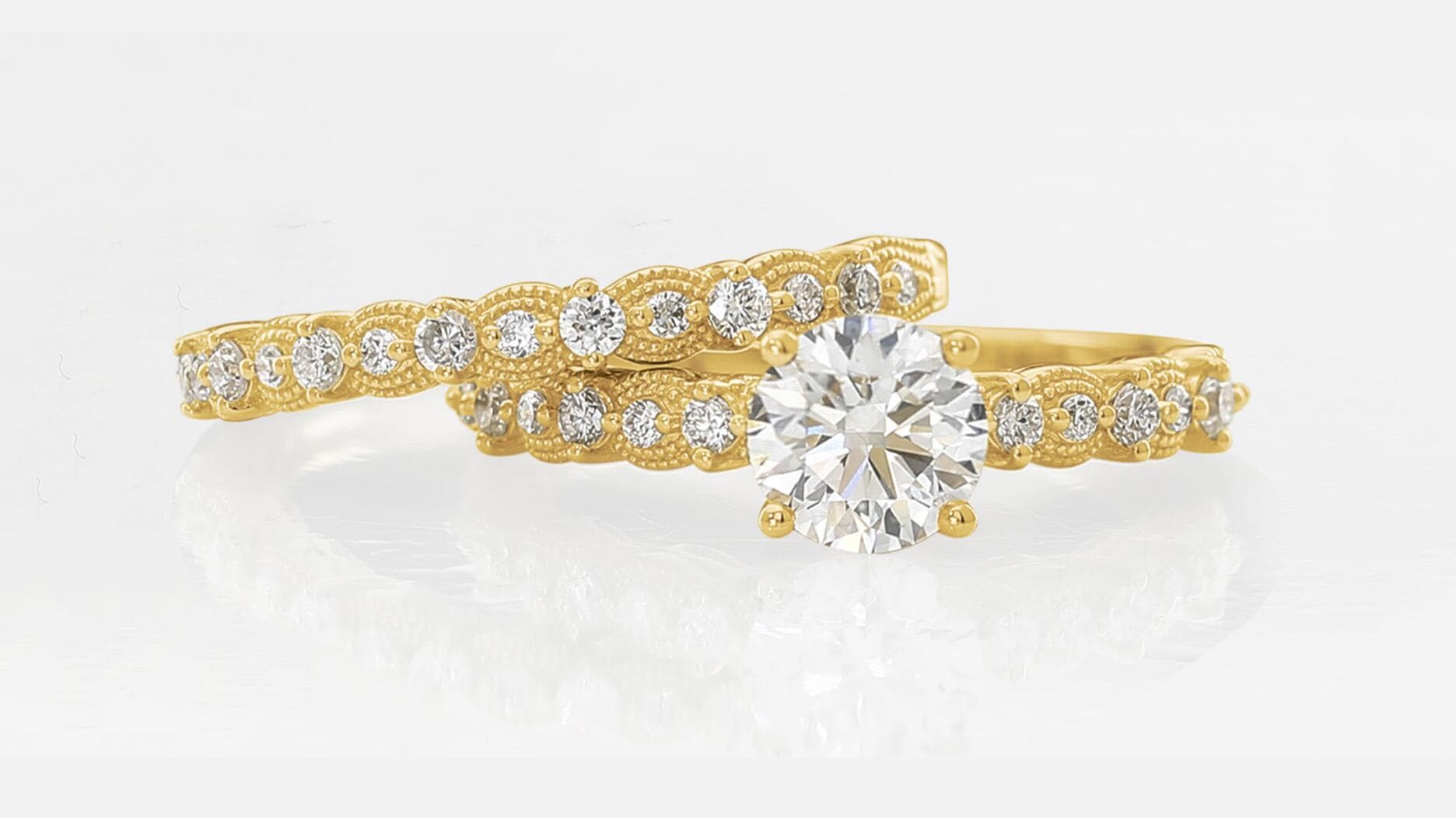
Weight is now part of the design brief. A heavier bangle or pendant can signal seriousness and value, but it also pushes the ticket price higher as gold prices rise. Lighter pieces, by contrast, lower the barrier to entry and give brands room to experiment with shape, finish, and wearability. The result is a more design-led mass market, where the selling point is not just the metal content, but the silhouette, the ease of daily wear, and the sense that a smaller piece can still feel current.
Chow Tai Fook, one of China’s oldest jewelry companies, has been adjusting its offering mix as higher gold prices and weaker consumer sentiment pressure the market. That is the pragmatic side of the split: a heritage giant cannot rely only on old formulas when consumers are price-conscious, but neither can it pretend that lighter product alone can satisfy buyers who still want gold to feel substantial. The market is being forced to hold two truths at once, gold must feel precious, and it must also feel attainable.
What the split says about taste, class, and value
This divide is about more than fashion cycles. In China’s gold jewelry market, product aesthetics, weight, and symbolism now signal class position as much as taste. The affluent buyer is being courted with heritage gold that looks deliberate, rooted, and costly. The mass-market buyer is being offered lighter pieces that preserve the emotional value of gold without the punishing cost of heavy metal.
That is why the category is more interesting than a simple demand chart suggests. Global demand may be softer, and China’s volumes have clearly been under pressure, but the market is also becoming more differentiated and more explicit about what different pieces are for. A richly worked heritage bracelet says one thing. A slimmer, design-forward piece says another. Together, they show a market adapting to record gold prices by splitting into status luxury on one side and accessible innovation on the other, with both sides still anchored in the enduring pull of gold itself.
This article was produced by Prism’s automated news system from verified source data, official records, and press releases, then run through automated quality and moderation checks before publishing. The system is built and supervised by the people who set the standards it runs under. Read our full AI policy.
Did this article answer your question?