High-jewelry maisons navigate record gold prices, geopolitical tension in 2026
As gold hit 53 record highs and jewellery volumes sank, the smartest maisons doubled down on spectacle, heritage and clienteling to keep desire intact.
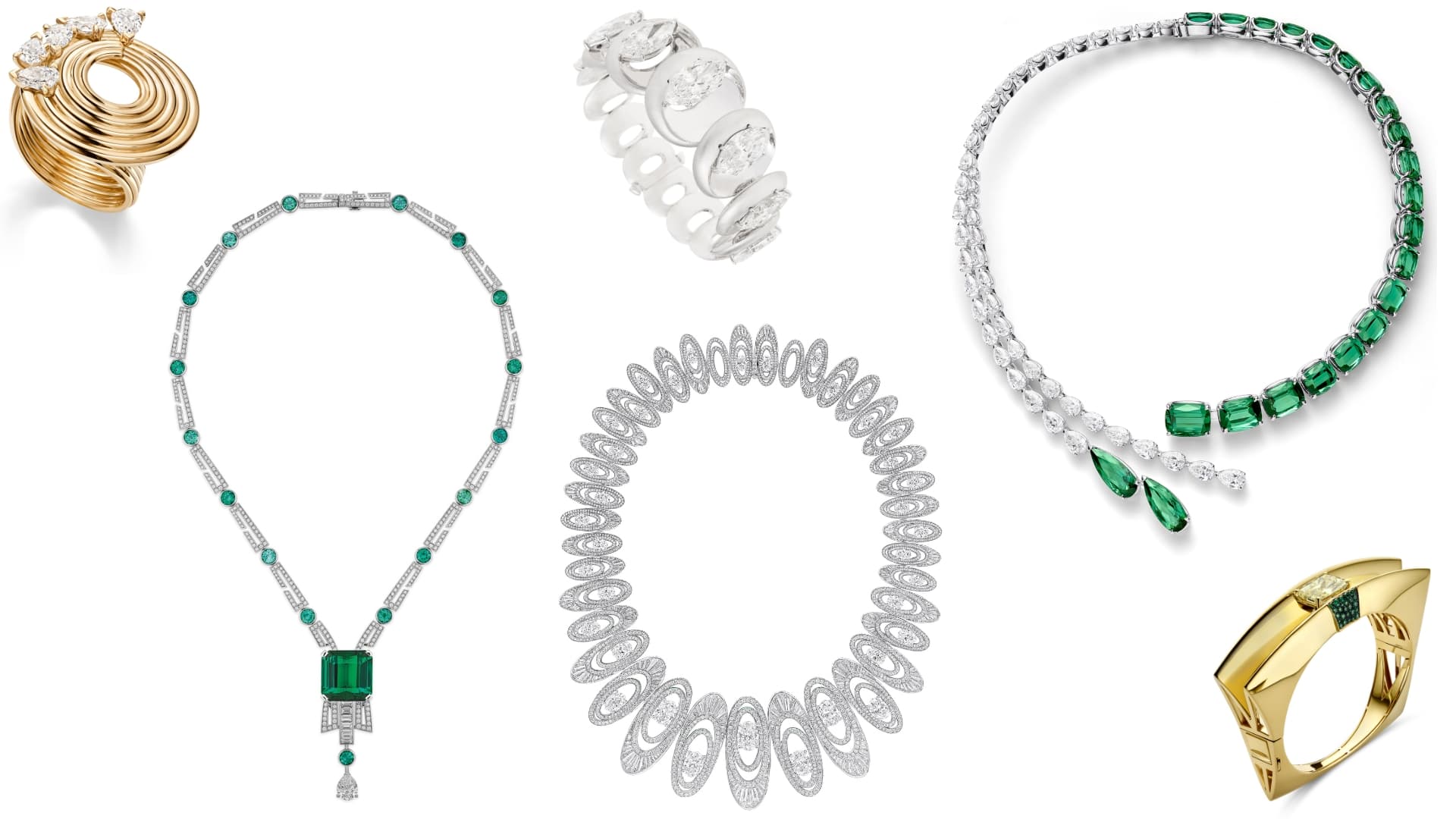
The new cost of desire
When gold breaks records, high jewellery stops being decoration and becomes a test of discipline. In 2026, the maisons that matter most are not merely coping with higher metal costs and geopolitical noise; they are deciding how to stay alluring when the raw material itself has become a headline.
The pressure is real. The World Gold Council said total gold demand in 2025, including OTC, passed 5,000 tonnes for the first time, while the metal set 53 all-time highs and pushed the market’s value to a record US$555 billion. At the same time, annual jewellery consumption volumes fell to 1,542 tonnes, a five-year low, even as jewellery demand value climbed to a record US$172 billion. That split tells you exactly where the strain sits: fewer pieces are moving, but each gram now carries more money, more risk, and more scrutiny.
Why the showcase still matters
Paris Haute Couture Week in January 2026 made clear that high jewellery remains one of the most strategic stages in the business. Boucheron, Chaumet, De Beers, Dior and Graff used the week to show new collections and to frame high jewellery as more than a product line. For these houses, the category is a signal to the rest of the market: heritage still sells, craftsmanship still differentiates, and a strong high jewellery presentation can lift the whole jewellery business.
That matters because the category lives at the intersection of romance and economics. A necklace or parure may be designed as a one-off marvel, but it is also a tool for protecting brand equity when the broader gold jewellery market gets squeezed. The maisons that can keep demand alive are the ones that can make a client feel the work behind the piece, not just the weight of the gold.
The pressure points shaping 2026
The numbers explain why the mood has shifted. In Q2 2025, total gold demand rose 3% year over year to 1,249 tonnes, while value jumped 45% to US$132 billion, helped by uncertain global trade policy, geopolitical turbulence and rising gold prices. By Q3 2025, jewellery demand had fallen year over year across almost every market, with the World Gold Council pointing to the record price environment and simple affordability as the main reason.
Reuters reported in January 2026 that gold climbed above US$5,100 an ounce amid international political tension, while silver and platinum also hit all-time highs. A Reuters poll in October 2025 projected that gold’s 2026 annual average price would top US$4,000 an ounce for the first time. Put together, those figures show a market where precious metals are behaving less like quiet inputs and more like volatile financial assets, which makes every design choice more consequential.
What the maisons are actually doing
The playbook is not subtle, but it is effective when executed well. First, the houses are leaning into fewer, more spectacular pieces. That is the most obvious way to preserve desire without flooding the market with expensive inventory. When gold is this costly, a maison gains more by making one extraordinary necklace unforgettable than by making three merely nice ones.
Spectacle over volume
High jewellery has always been about rarity, but rising metal prices sharpen the logic. A piece with high karat gold, carefully calibrated stone selection and labor-intensive setting work can justify its price only if it feels singular. That means bold silhouettes, dramatic center stones, complex articulation and visible finishing details that make the craftsmanship legible from a distance.
The best houses are not trying to look efficient. They are trying to look inevitable, as if the object could only have been made by that atelier, under that name, with that level of handwork.
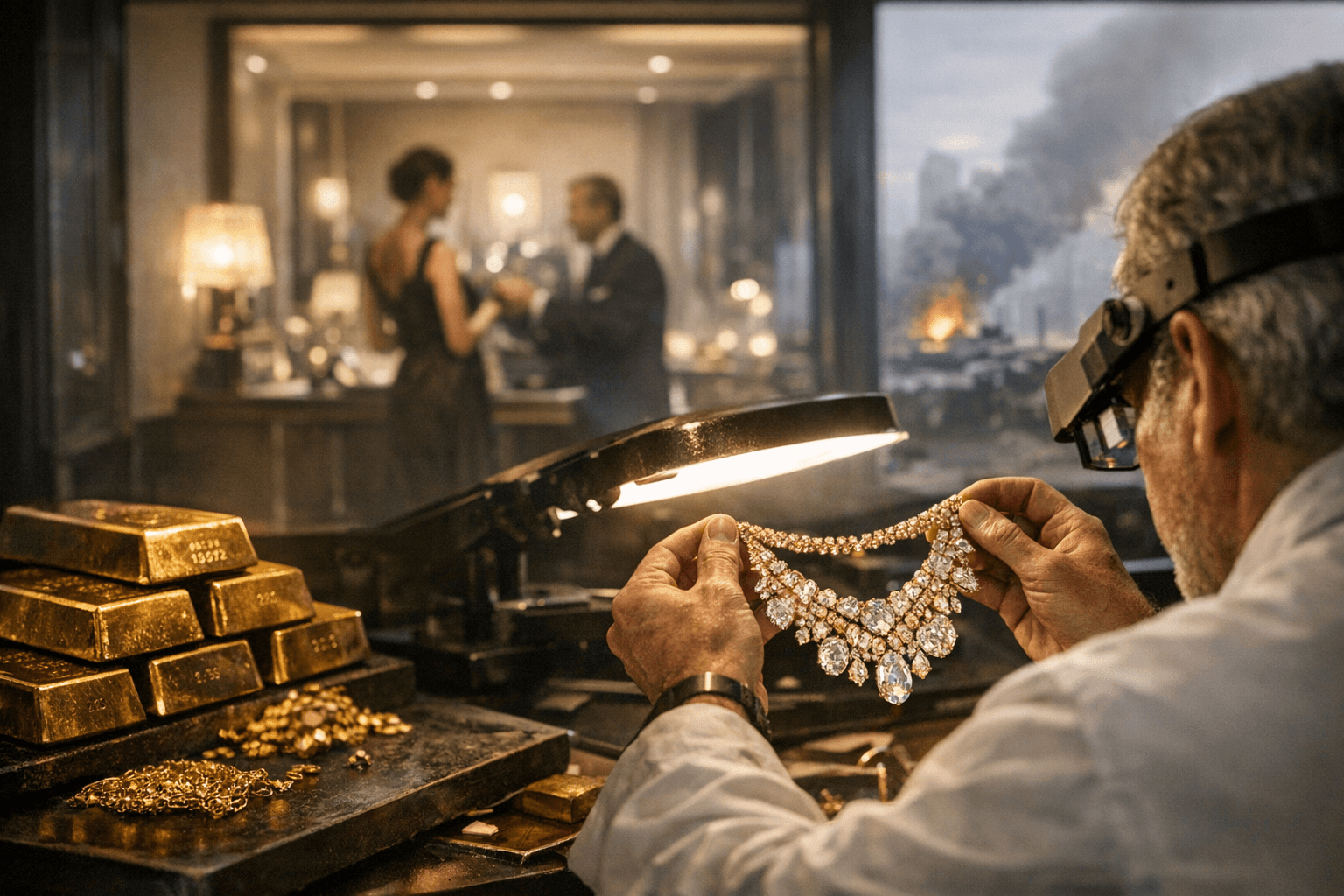
Heritage as a pricing shield
Second, the maisons are pushing heritage harder. Boucheron, Chaumet, De Beers, Dior and Graff all have stories that reach back into Place Vendôme culture, even if their creative languages differ. In a year when bullion prices are under stress and geopolitics keeps pushing risk premia higher, heritage acts like insulation: it shifts the conversation away from commodity cost and toward authorship, archive and technique.
That only works if the craftsmanship is visible. Clients can tell the difference between a generic high-ticket jewel and a piece with considered stone matching, precise prong work, balanced proportions and a setting that lets the light do something interesting. Houses that rely on vague references to “artistry” without showing the work will sound hollow.
Clienteling for the top end
Third, the real defense of demand is ultra-high-touch selling. When broad affordability weakens, maisons do not win by chasing volume. They win by concentrating on the wealthiest clients, the people who still buy at the very top of the market and want private previews, bespoke commissions, and access to one-of-a-kind pieces before they are ever shown publicly.
This is where the category becomes a relationship business. High jewellery is not sold like a commodity necklace from a showcase; it is sold through trust, discretion and long memory. The maisons that preserve demand will be the ones that can turn couture week attention into private appointments, and private appointments into commissions that feel custom-built for one client’s life.
Why the strongest houses can still hold the line
The encouraging sign for the category is that demand has not disappeared. It has become more selective. The World Gold Council’s 2025 figures show value rising even as volume fell, which means the market still rewards aspiration at the top end. The challenge is to prevent price inflation from hollowing out the middle of the luxury pyramid while keeping the top convinced that rarity is worth paying for.
That is where presentation matters. If a collection is built around a clear design idea, precise stone sourcing and unmistakable workmanship, the price increase can feel like a consequence of quality rather than an excuse for margin. If the story is vague, the piece risks looking like metal inflation wrapped in marketing. In this market, vagueness is expensive.
What to watch next
The strongest maisons will likely keep following three rules. They will make fewer pieces and make them look unforgettable. They will lean harder on the vocabulary of craftsmanship, archival references and maison identity. And they will spend more effort on private selling, where one client can justify the labor behind a piece more easily than a mass audience can.
The broader signal from 2026 is that high jewellery is not retreating in the face of record gold prices. It is becoming more disciplined, more theatrical and more dependent on the oldest luxury advantage of all: making the client feel that the piece could not have come from anywhere else.
This article was produced by Prism’s automated news system from verified source data, official records, and press releases, then run through automated quality and moderation checks before publishing. The system is built and supervised by the people who set the standards it runs under. Read our full AI policy.
Did this article answer your question?