Chinese Gen Z Melts Idle Gold Jewelry into DIY Golden Nail Art
Gen Z in China melts idle gold, from heirlooms to "gold beans", into bespoke rings and nail art, with Xiaohongshu hashtags at 40 million views and Douyin tags at 3 billion.
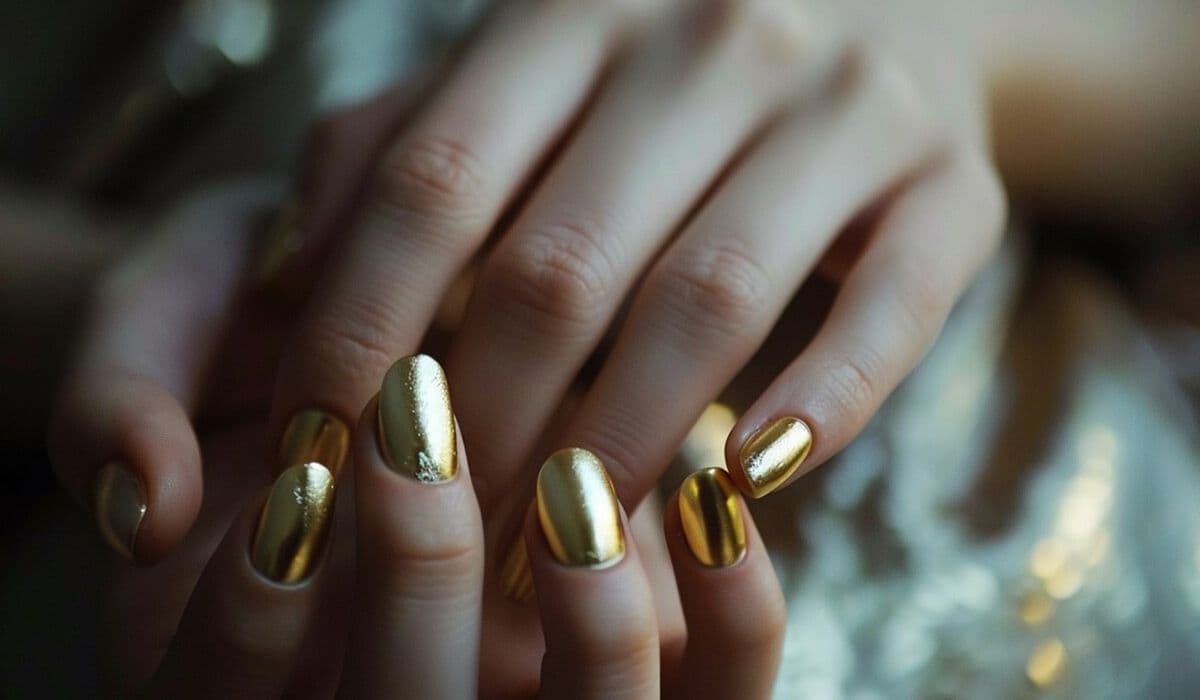
Young Chinese consumers are turning spare bullion and forgotten family trinkets into homemade luxury, a viral movement that platforms and market data now show has real economic weight. China National Radio via Global Times called the post-Chinese New Year phenomenon "golden nail art," while Jing Daily framed it as "Gold rush 2.0: China’s Gen Z transforms bullion into bling," reporting Xiaohongshu hashtag "居家打金" has reached 40 million views and Douyin "打金" videos have amassed about 3 billion views.
The DIY process is granular and visible. Jing Daily follows creator Wumeng, a Hubei food blogger using high-temperature torches to liquefy handfuls of gold beans in plaster moulds, plunging the molten metal into cold water and dissolving the plaster to reveal a custom butterfly ring. That step-by-step footage - blue flame, molten drops, the quench - drives shareability and imitators across short-video feeds.
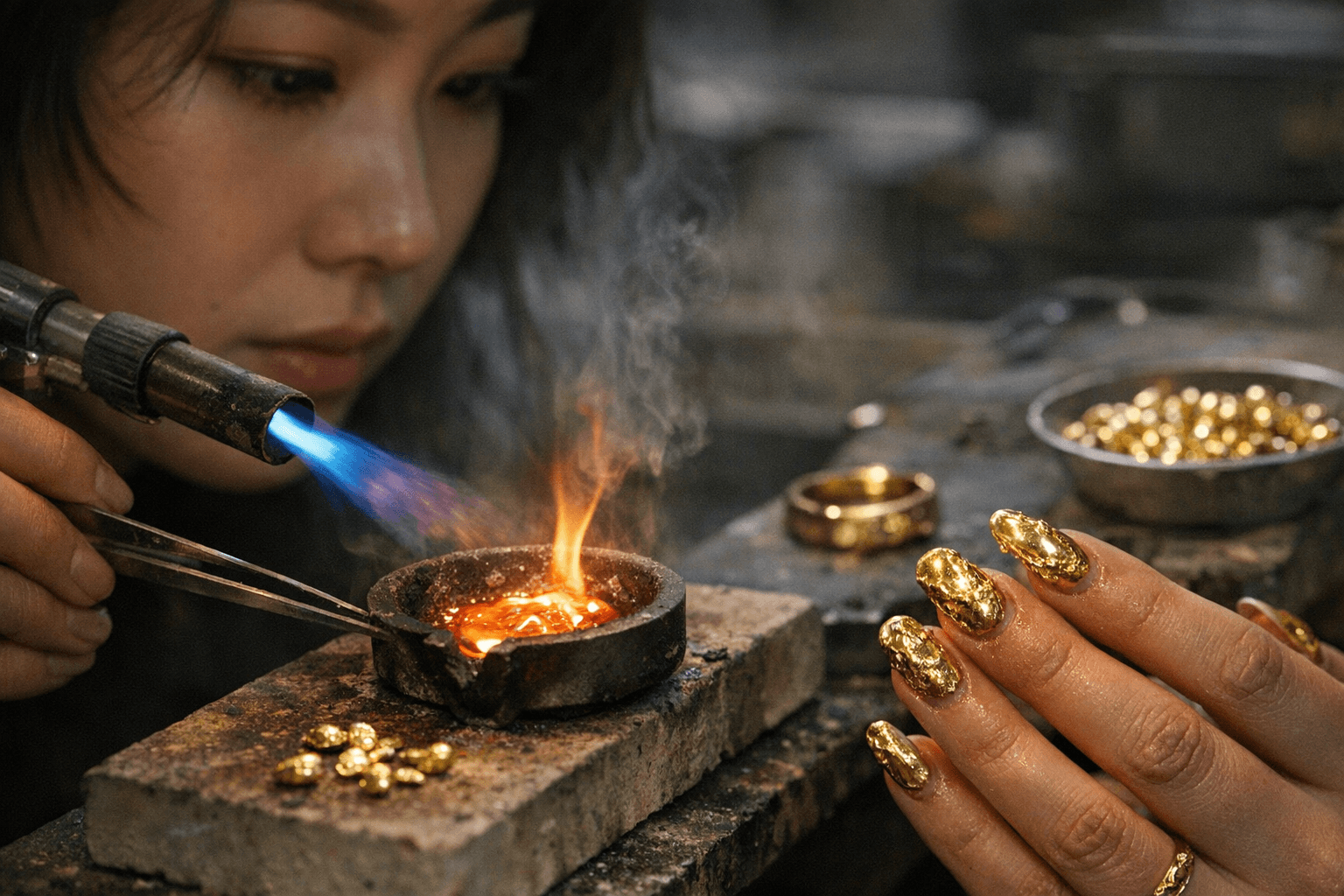
The trend has pushed ancillary markets. Jing Daily reports Taobao listings for melting bowls, agate knives and polishing kits have been selling out as tool merchants reap the gains once earned by "spade sellers" in earlier gold runs. Videos and shop listings show hobbyists advertising kits for home use, while some creators advertise bespoke commissions made from recycled family gold.
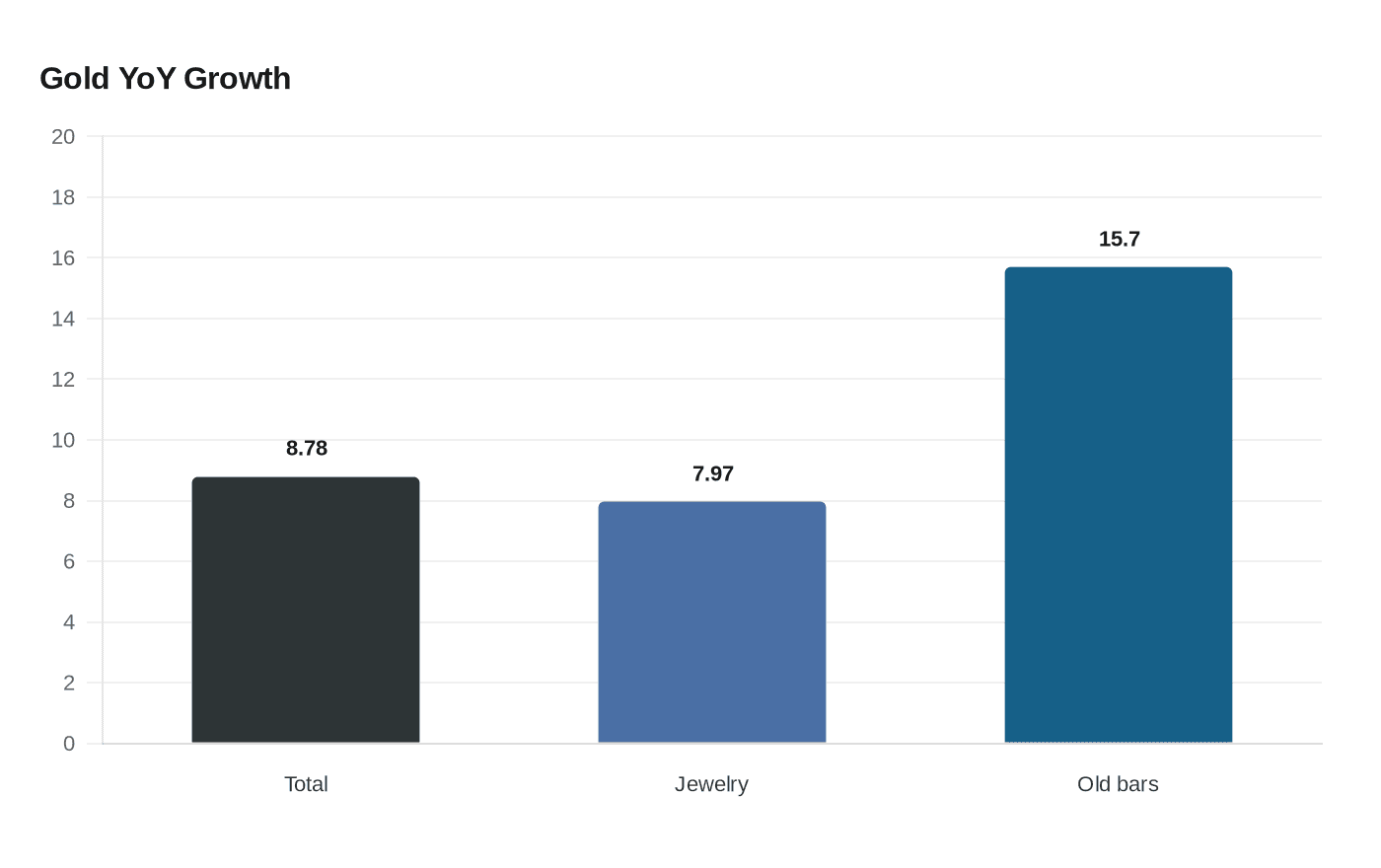
Macro numbers underline why youth are experimenting with physical gold. China Gold Association figures cited by China Daily show national gold consumption in 2023 reached nearly 1,090 tons, up 8.78 percent year-on-year; gold jewelry consumption totaled 706.48 tons, up 7.97 percent; and old bars and coins accounted for 299.6 tons, up 15.7 percent. The association adds a demographic shift: "the young population aged between 25 and 34 became the main force of gold consumption, with their proportion up from 16 percent to 59 percent in 2023. In the future, consumers under the age of 25 will become new major gold buyers, said the association."
That shift shows in storefronts and purchases. In Jinan, a couple named Wang Yinghao and Zhao Wenxiu spent more than 7,000 yuan buying a gold necklace and bracelet for their parents; Zhao Wenxiu said, "Today's gold jewelry have delicate design styles. Our parents were very happy when I showed them the pictures." A local shop head, Xia Liuxia, reported that pure gold necklaces, bracelets and rings priced between 2,000 and 3,000 yuan are especially popular among young buyers.
Critical takes have followed the virality. Gethegoods ran a piece headlined "China’s Gen Z is Melting Gold at Home for DIY Luxury Jewellery – We Have Questions," noting sharply that "Gold just surged to an unprecedented $3,000 per ounce mark" as part of its frame, and Jing Daily cautioned the movement is more than a pastime: "It's bigger than trying a new hobby. It's about a structural shift in control, luxury, wealth, and ownership."
With social metrics in the millions and national consumption near 1,090 tons, the homemade-gold wave is already reshaping demand and retail channels. Whether it forces formal jewelers, market regulators or consumer-safety authorities to respond remains to be seen, but the convergence of viral creators like Wumeng, Taobao sellouts and rising youth market share is a clear market signal that DIY goldsmithing is more than a moment.
This article was produced by Prism’s automated news system from verified source data, official records, and press releases, then run through automated quality and moderation checks before publishing. The system is built and supervised by the people who set the standards it runs under. Read our full AI policy.
Did this article answer your question?